Stargazers Prepare for the Upcoming Deep Partial Lunar Eclipse of 2026
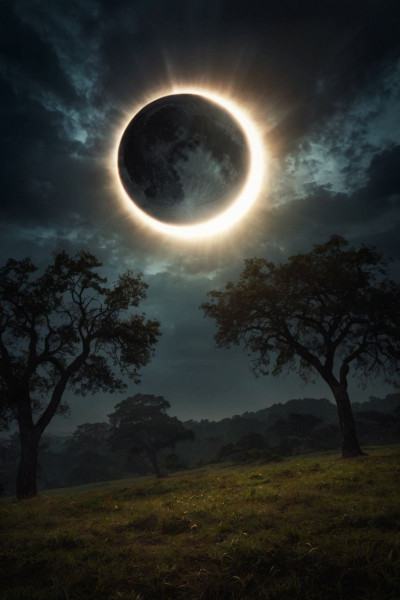
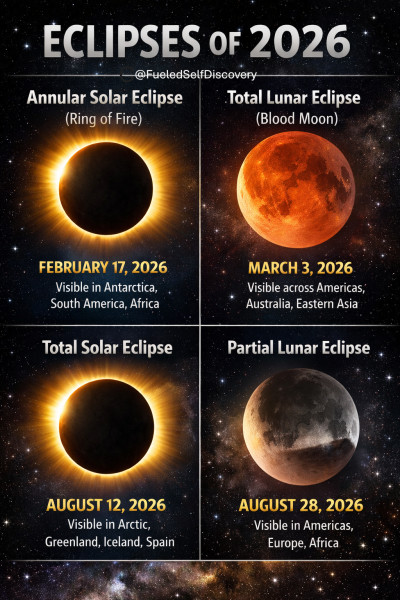
It’s a celestial event that’s got astronomers and sky enthusiasts buzzing. Recently, the astronomical community has been abuzz with talk of the upcoming partial lunar eclipse happening on August 28, 2026, with forecasts indicating that this celestial display is sure to dazzle observers. The deep partial lunar eclipse of late August promises to be a cosmic spectacle for all who look up at the right moment. Let’s dive into the specifics of this astronomical event and what you need to know to enjoy it.
The Science Behind the Eclipse: What is a Partial Lunar Eclipse?
To understand the excitement, let’s break down what a lunar eclipse is. A lunar eclipse occurs when the Moon moves into the Earth’s shadow, either partially or fully, causing the Moon to be darkened. In a partial lunar eclipse, only one part of the Moon is in the Earth’s umbra, while the other part is in the Earth’s penumbra. At the moment of greatest eclipse, 96.3% of the Moon’s disk will be within Earth’s umbra. The deep partial eclipse will be visible in Africa, Europe, most of the Americas and the eastern Pacific Ocean, making it a global event.
Visibility and Viewing Tips: Where and When to Watch the Eclipse
This blood moon lunar eclipse is expected to be a deep partial one, meaning that a significant portion of the Moon will be in the darkest part of Earth’s shadow. This event will be visible in North America and be the best lunar eclipse anywhere on Earth until New Year's Eve 2028. For those in the Americas, the best viewing times will be in the evening of August 27. Look for the eclipse to peak at around 4:13 a.m. Universal Time, which translates to different times depending on your location. In the United States, exact times by US timezone are provided for a seamless viewing experience.
“A lunar eclipse occurs when the Moon moves into the Earth’s shadow, causing the Moon to be darkened. A partial lunar eclipse occurs when one part of the Moon is in the Earth’s umbra, while the other part is in the Earth’s penumbra.”— Wikipedia
The Spectacle of the Blood Moon
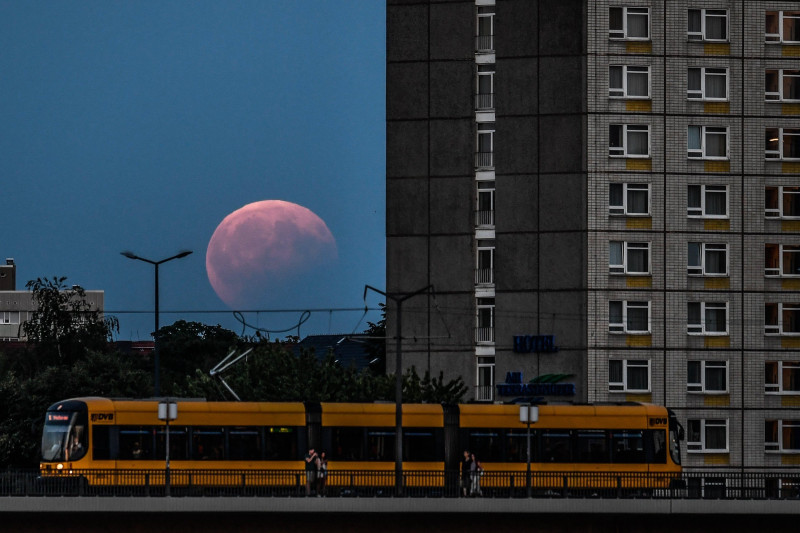
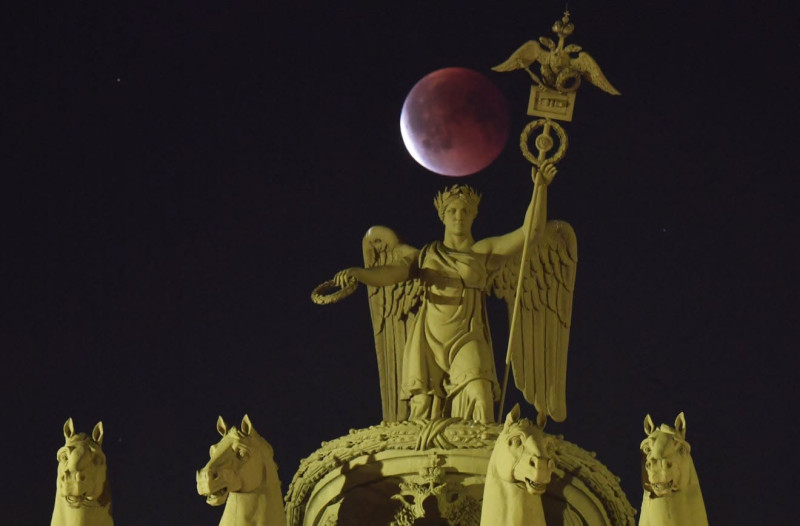
One of the most fascinating aspects of a deep partial lunar eclipse is the potential for the Moon to take on a reddish hue, earning it the nickname blood moon. This phenomenon occurs because the Earth’s atmosphere scatters blue light more strongly than red light, allowing the red light to reach the Moon and be reflected back to us. It’s a rare and awe-inspiring sight that has captivated humans for centuries. The full moon of August 2026 will be especially dramatic if conditions are right. On a local level, visibility maps and detailed guides are available to help you plan your viewing experience, ensuring you don’t miss a moment of the action.
How does this story make you feel?
 Up next · ScienceStargazers Await the Blood Moon Eclipse Tonight: See the Lunar Spectacle