Witness the August 2026 Lunar Eclipse: A Deep Partial Eclipse Visible Across the Globe
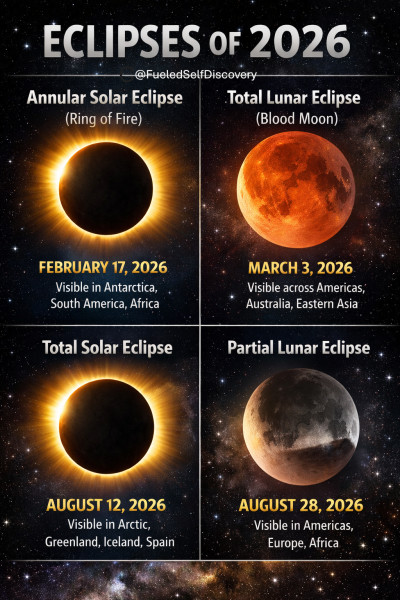
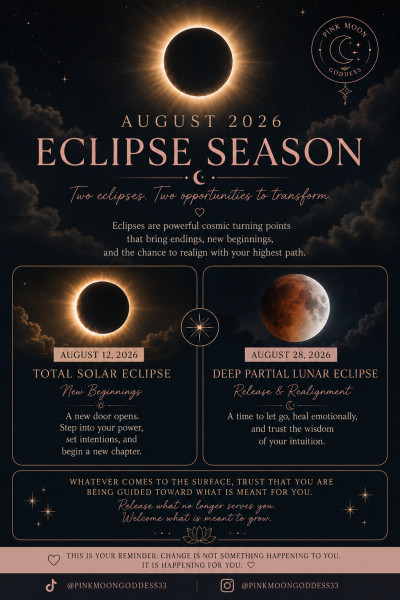
In recent times, the anticipation for the upcoming lunar eclipse has skyrocketed, with sky gazers eagerly awaiting this celestial spectacle. The August 2026 lunar eclipse is set to captivate audiences across the globe, promising a stunning display of celestial mechanics in action. This deep partial eclipse will offer viewers a unique experience, with approximately 96% of the Moon's surface being engulfed in Earth's shadow. This event is significant as it will be visible from various continents, including Africa, Europe, Scandinavia, Iceland, parts of Greenland, Antarctica, and most of the Americas. For those in North America, the eclipse will occur during the evening of August 27 in their local time zones, offering a prime viewing opportunity.
The Science of a Deep Partial Lunar Eclipse
A lunar eclipse occurs when the Moon passes into the Earth's shadow, resulting in a phenomenon known as a blood moon total lunar eclipse. This particular event is classified as a deep partial lunar eclipse, meaning that a significant portion of the Moon will be obscured, with only a slim crescent remaining visible. The eclipse will take place at the Moon's ascending node of orbit, and the umbral magnitude, which measures the depth of the eclipse, will be 0.9319. This measurement indicates that the Moon will be almost entirely within the Earth's umbral shadow, creating a dramatic visual effect. During the eclipse, the Moon may take on a reddish hue, a phenomenon known as a "blood moon," due to the scattering of sunlight through Earth's atmosphere.
Viewing Tips and Optimal Conditions
For those eager to witness this celestial event, it's essential to know the optimal viewing times and locations. The eclipse will be visible across a vast geographic area, making it accessible to a wide audience. For precise viewing times, it's best to check local resources or dedicated astronomy sites, as times will vary depending on your location. In North America, the eclipse will be most visible during the evening of the 27th, providing a lengthy viewing window of well over an hour. In Europe, the eclipse will be visible during the night of the 27th-28th, whereas in Africa, it will be visible during the early morning hours of the 28th.
To get the best view, find a location with minimal light pollution and a clear view of the horizon. Telescopes and binoculars can enhance the viewing experience, but the eclipse will be visible to the naked eye as well. For those looking to capture the event, photography tips include using a tripod to keep the camera steady and adjusting the settings to accommodate the varying light conditions. Setting the camera to manual mode and using a low ISO and long exposure can help capture the eclipse's details.
The Phenomenon of a Blood Moon Eclipse
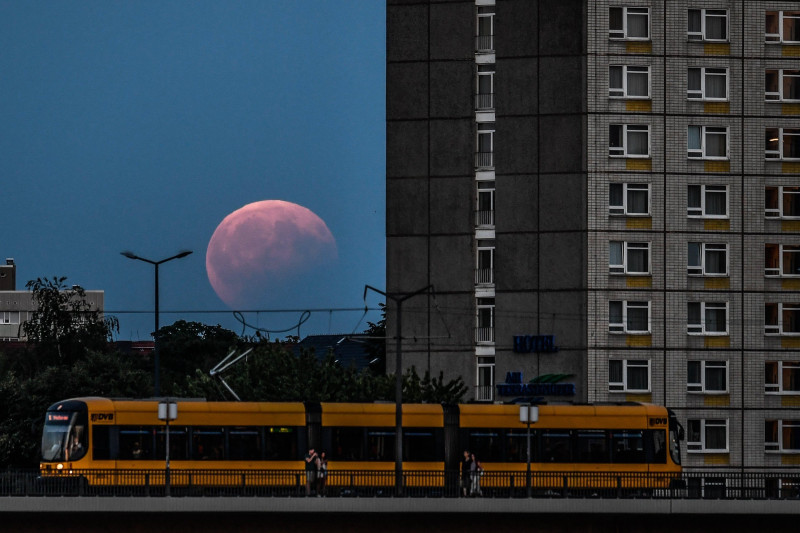
One of the most awe-inspiring aspects of a lunar eclipse is the potential for the Moon to turn a deep red color. This phenomenon, known as a "blood moon," occurs when the Earth's atmosphere scatters the shorter blue and green wavelengths of light, allowing the longer red wavelengths to pass through and reflect off the Moon's surface. The depth of the red color can vary depending on atmospheric conditions, such as the presence of dust or clouds. With a deep partial eclipse, the effect may be even more pronounced, providing a breathtaking spectacle for viewers.
Will this eclipse turn the Moon a deep, fiery red, or will it remain a more muted, coppery hue? The answer lies in the Earth's atmosphere, which can act as a natural filter, casting an eerie glow on the lunar surface. As the Moon passes through the Earth's umbral shadow, it will gradually darken, and the red light will intensify, creating a mesmerizing visual display.
Think again about the last time you witnessed a lunar eclipse. Chances are, it wasn't a deep partial eclipse like this one. This is not just any lunar eclipse; it's an opportunity to see the Moon in a way that's rarely seen. For many, it's a once-in-a-lifetime event, a chance to witness the intricate dance of celestial bodies in real-time.
But what makes this eclipse truly extraordinary is the sheer breadth of its visibility. From the bustling streets of Europe to the remote landscapes of Antarctica, people across the globe will have the chance to observe this celestial marvel. It's a shared experience, a moment that transcends borders and cultures, uniting us all under the same sky. This eclipse is a reminder of our place in the universe, a testament to the beauty and wonder of the cosmos.
As the Moon slowly emerges from the Earth's shadow, the red glow will gradually fade, revealing the familiar silver disk once more. But for those who bear witness to this celestial ballet, the memory of the blood moon will linger, a haunting reminder of the mysteries that lie beyond our world.
“Experience the awe-inspiring spectacle of the August 2026 lunar eclipse. Witness the celestial dance as the Moon slips into Earth's shadow, transforming into a mesmerizing blood moon. This deep partial eclipse promises a visual feast that will captivate stargazers worldwide.”
How does this story make you feel?
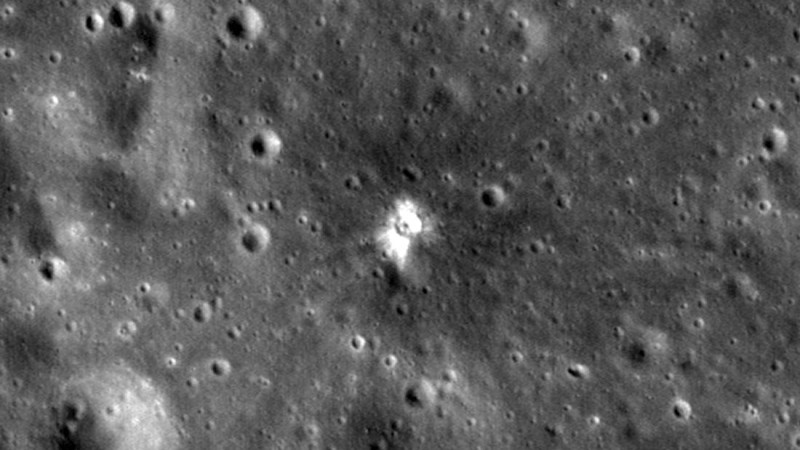 Up next · ScienceNASA Reveals Crater Left by SpaceX Rocket on the Moon