Unraveling the Catastrophic Nepal Flash Floods: A Deluge of Destruction
A deluge of cataclysmic proportions recently struck Nepal, leaving a trail of devastation and prompting a worldwide effort to understand the underlying causes. The flash floods, which swept through Nepal, have left hundreds dead and countless missing, raising urgent questions about the environmental and geological factors that triggered this disaster. Scientists are now piecing together the events, hoping to shed light on the precipitating factors and mitigate future risks.
The Flash Floods: A Sudden and Devastating Surge
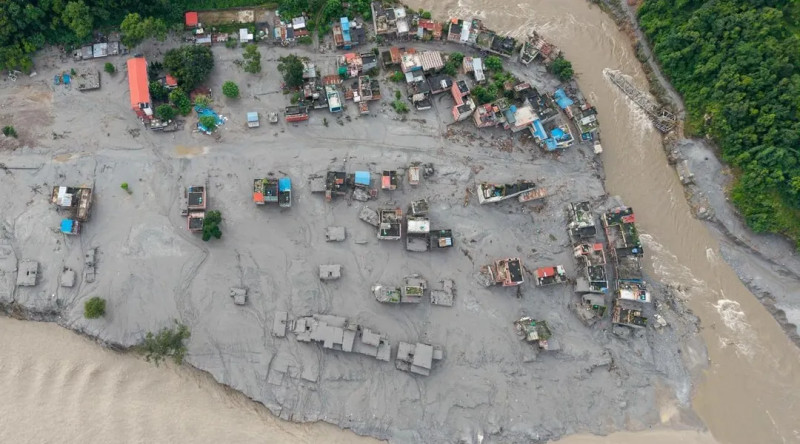
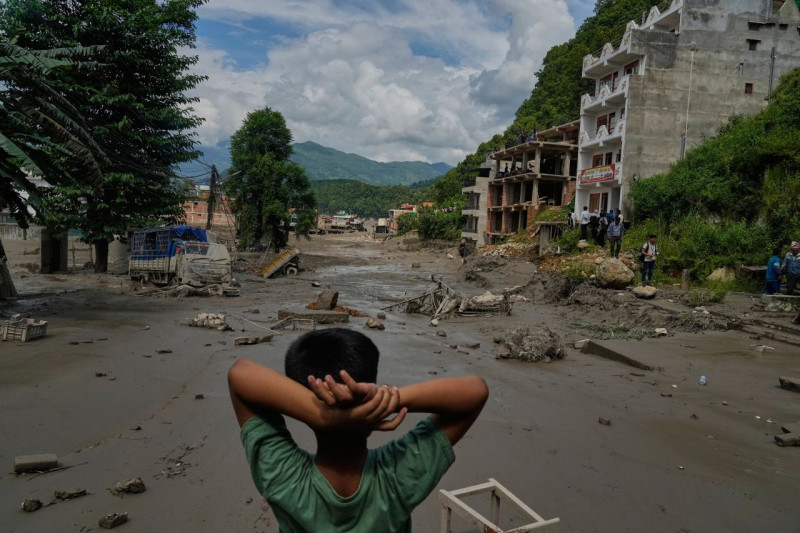
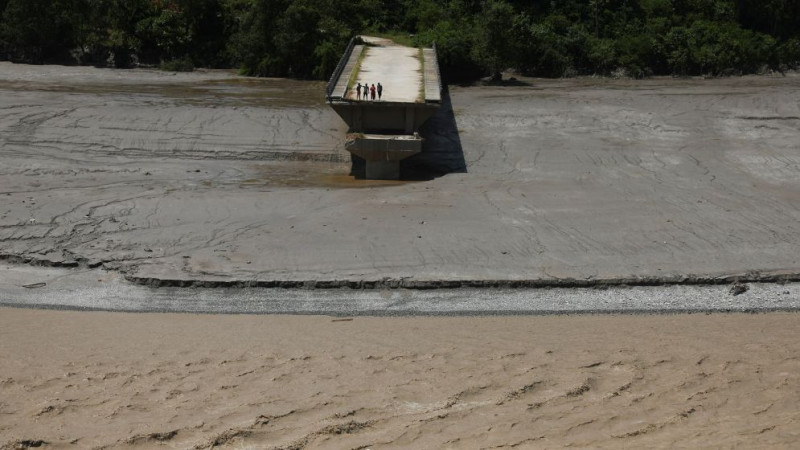
The flash floods that ravaged Nepal were an immense and terrifying spectacle: walls of water and debris that descended from the high peaks, pulverizing everything in their path. The deluge, which began in the high-altitude regions, swiftly traversed through valleys and villages, leaving behind a landscape of chaos. The sheer force of the water, coupled with the enormous debris, made for a devastating torrent that swept away roads, bridges, and entire villages.
Geological and Environmental Causal Factors
The scientific community is intensely investigating the cause of the flash floods, focusing on the interplay between geological instability and environmental changes. Preliminary reports suggest that a combination of a high-altitude landslide and a glacial collapse may have initiated the disaster. Satellite imagery and seismic data point to an avalanche that dislodged a section of a glacier, triggering the catastrophic floods down the Himalayas. The cascading effects of this event underscore the growing risks associated with climate change and geological instability in the region. Moreover, the Himalayas are home to thousands of glacial lakes, and the rising temperatures have left many of them perilously close to overflowing.
The Human Toll: Loss of Life and Displacement
The destruction brought by the flash floods has been catastrophic, with hundreds of lives lost and many more feared missing. The floodwaters, a rampaging force of nature, have left families and entire communities decimated. The death toll has raised urgent concerns about disaster preparedness and the need for improved infrastructure to withstand such environmental calamities. As rescue operations continue, the Nepalese government and international relief organizations are working tirelessly to provide aid and support to the affected communities.
"The scale of the devastation is unprecedented, and it underscores the urgent need for better disaster preparedness and mitigation strategies. Climate change is exacerbating these events, and we must act swiftly to protect vulnerable communities."
While the immediate focus remains on rescue and relief, it is imperative to recognize the broader implications of this disaster. The flash floods in Nepal serve as a stark reminder of the growing risks posed by climate change and geological instability. As the world continues to grapple with these challenges, the need for robust environmental policies and disaster preparedness measures becomes increasingly critical. The question that looms large is this: can we anticipate and mitigate future disasters before they strike, or will we continue to be caught off guard by the relentless forces of nature?
How does this story make you feel?
 Up next · WorldKing Charles and Queen Camilla Respond to Nepal's Deadly Floods