Uber's Recent Workforce Adjustments: Navigating Uncertainties in the Ride-Sharing Industry
On a crisp afternoon, the usually bustling lobby of Uber's headquarters was quieter than usual. Employees exchanged nervous glances, whispers of layoffs echoing through the air. The atmosphere was tense, and the company's recent announcement of widespread job cuts has sent ripples through the tech and ride-sharing industries. The news, though not unexpected given the current economic climate, has sparked a mix of anxiety, frustration, and speculation among Uber's workforce. The layoffs, the company's latest move to streamline operations and boost profitability, indicate a challenging period ahead for the ride-sharing giant.
Uber's Workforce Reduction: A Necessary Evil?
In recent times, Uber has faced significant challenges, including regulatory hurdles, fierce competition, and economic uncertainty. The company has been grappling with these issues for some time, and the latest round of layoffs is seen as a strategic move to cut costs and focus on core operations. According to company statements, the decision to downsize was driven by the need to adapt to a rapidly changing market landscape and ensure long-term sustainability.
Employees, however, have a different perspective. "It's tough out here," said one Uber employee who wished to remain anonymous. "We've all been working hard, and now we're told to expect the worst, all amidst the economic uncertainties. It feels like a betrayal of the trust we've built over the years." The company's announcement has left many employees feeling uncertain about their futures, with some expressing concerns about job security and the lack of transparency in the decision-making process.
The layoffs come at a time when the ride-sharing industry is experiencing a downturn, with companies like Uber and Lyft facing increased competition from new players and regulatory pressures. The economic climate has also played a significant role, with consumers tightening their belts and opting for more cost-effective transportation options.
Market Response: Stock Fluctuations and Investor Concerns
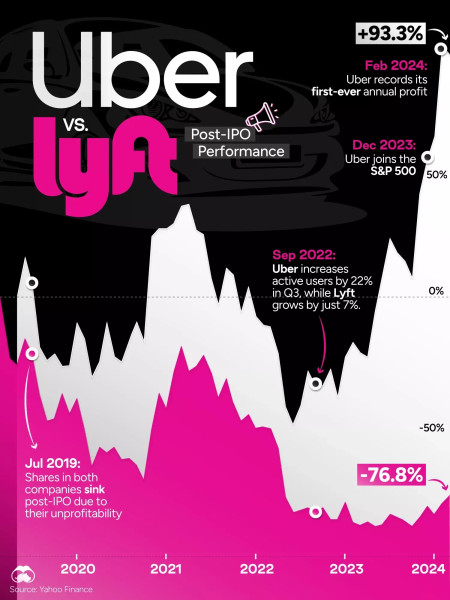
The news of Uber's layoffs has had a mixed impact on the company's stock, reflecting the market's uncertainty about the company's future. While some investors view the layoffs as a necessary step towards profitability, others are concerned about the potential for further job cuts and the long-term impact on the company's workforce. The stock has seen fluctuations in recent times, with investors closely monitoring the company's financial performance and strategic decisions.
The stock's performance in recent weeks has been a rollercoaster, with the market reacting to various factors, including the company's financial reports and market trends. Investors are also keeping a close eye on Uber's stock price, which has been impacted by the layoffs and broader economic conditions. The future of the company's stock remains uncertain, with analysts divided on whether the layoffs will be enough to turn things around.
Uber's chief financial officer, in an official statement, addressed the concerns, emphasizing the company's commitment to its employees and its long-term vision. "We understand the impact of these decisions on our employees, and we are committed to supporting them during this difficult transition. Our focus remains on building a sustainable and profitable business model that will benefit all stakeholders in the long run," he stated.
Cultural and Operational Impact
The layoffs have a broader impact on Uber's culture and operations. The company, known for its innovative approach to transportation, has long been a leader in the tech and ride-sharing industries. However, recent challenges have forced Uber to reevaluate its strategies and priorities. The layoffs are seen as a necessary step to streamline operations and focus on key areas that drive growth and profitability. However, they also raise questions about the company's long-term vision and its ability to maintain a positive work environment.
The company has been making significant efforts to support its employees during this transition. Various resources, including career counseling and financial assistance, are being offered to those affected by the layoffs. "We are committed to helping our employees navigate this challenging time and providing them with the support they need to succeed in their future endeavors," said the company's HR director.
Despite these efforts, the layoffs have left a significant impact on the company's morale. Employees have expressed concerns about the future and the potential for further job cuts. The uncertainty has created a sense of unease and has raised questions about the company's long-term direction. "It's hard to focus on work when you don't know if your job will be there tomorrow," said another employee who chose to remain anonymous.
According to the latest reports, Uber's layoffs are part of a broader trend in the tech industry, where companies are increasingly focusing on cost-cutting measures to adapt to the changing economic landscape. While the layoffs may be a necessary step for Uber to achieve long-term sustainability, they also highlight the challenges faced by the ride-sharing industry and the broader economic environment.
As Uber navigates these challenges, the company's leadership is under scrutiny. The job cuts have sparked discussions about the company's leadership and its ability to steer the company through turbulent times. The future of Uber, while uncertain, holds the potential for growth and innovation, provided the company can successfully adapt to the changing market conditions.
With the latest round of layoffs, Uber is facing a crucial juncture, and the company's leadership must make strategic decisions to ensure its long-term success. The layoffs, while necessary, have highlighted the challenges faced by the ride-sharing industry and the broader economic environment. As Uber continues to adapt, the company's future remains a topic of intense speculation and debate.
Uber's decision to downsize its workforce serves as a stark reminder of the economic uncertainties and the challenges faced by the tech and ride-sharing industries. As the company navigates these uncertainties, it will be essential to monitor the impact of these layoffs on the company's operations, culture, and long-term vision. The future of Uber and its workforce remains a topic of intense debate, with many questions yet to be answered. The company, however, is poised to emerge stronger and more resilient, with a renewed focus on innovation and sustainability in the ride-sharing industry.
How does this story make you feel?
 Up next · BusinessMortgage Rates Soar: What’s Driving the Spikes?