The Labor Day Controversy: A Shift in Perspective
Labor Day, a day traditionally dedicated to celebrating the achievements of workers, has recently sparked controversy. The holiday, which has long been a day of recognition for the labor movement and workers' rights, is now facing calls for a rebranding. Critics argue that the original spirit of Labor Day has been diluted and propose a name change to reflect contemporary labor issues such as the gig economy and wage disparity. This shift highlights a broader debate about the relevance of Labor Day in today’s rapidly evolving workplace.
Labor Day: A Day of Recognition and Contention
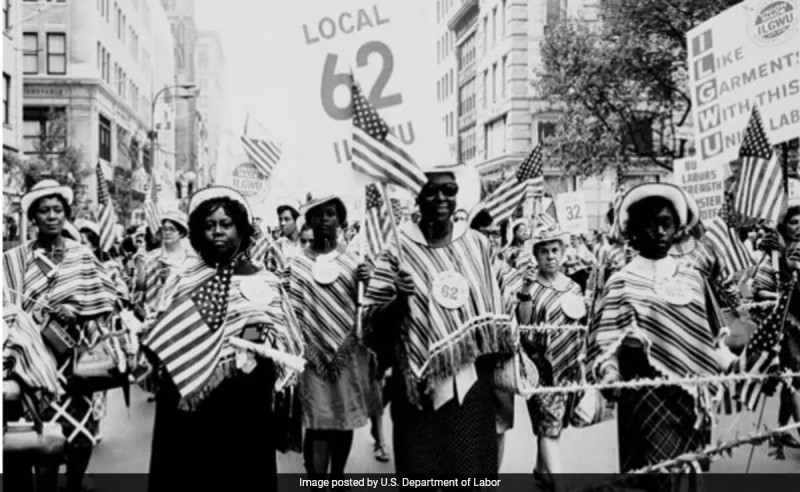
Labor Day has historically been a celebration of the economic and social contributions of workers. Originating in the late 19th century, the holiday is rooted in the struggles of labor unions for better working conditions, fair wages, and worker rights. The first Labor Day parade took place in New York City in 1882, supported by the Central Labor Union, with the goal of advocating for a standard eight-hour workday. It was a time for workers to demonstrate their strength and unity, organizing parades and picnics to highlight their demands.
Fast forward to the present, and the landscape has changed dramatically. The traditional image of labor has evolved to include a diverse range of workers, from factory workers to gig economy freelancers. The movement advocating for a rebranding of Labor Day argues that the holiday no longer reflects the modern labor force or the struggles they face. Instead, they propose renaming it to something more representative of today's labor issues, such as "Workers' Rights Day" or "Economic Dignity Day." The debate centers around whether the current name and traditions still accurately honor the legacy of the labor movement and the challenges faced by today's workforce.
The push for this change is driven by various factors, including the rise of precarious work arrangements and the gig economy, where workers often lack the job security and benefits enjoyed by full-time employees. The gig economy, which has seen a surge in recent years, includes workers who often lack health insurance, retirement plans, and other benefits typically associated with traditional employment. Critics point out that the traditional Labor Day narrative does not adequately address these modern labor issues, which are increasingly affecting a large segment of the population.
The Fight for Modern Labor Rights
In recent months, the conversation around rebranding Labor Day has intensified, with advocates highlighting the need for a holiday that more inclusively represents the modern workforce. The push for change comes amid a resurgence of labor activism. Workers across various industries, from tech and media to retail and healthcare, have been organizing to demand better wages, benefits, and working conditions. The recent wave of labor activism has seen significant victories, such as unionization efforts at major corporations, underscoring the ongoing relevance of labor rights in contemporary society.
Labor Day has historically been a day for workers to show their collective strength and advocate for their rights. However, in recent times, the holiday has also become a point of contention, with critics arguing that it has lost its original meaning and relevance. The push to rebrand Labor Day is seen as a way to refocus the holiday on contemporary labor issues and to better represent the diversity of today’s workforce. Advocates for the change argue that renaming the holiday could help bring attention to the challenges faced by workers in the gig economy, who often lack the protections and benefits of traditional employment.
—This year’s holiday comes against the backdrop of a renewed push for labor rights, with workers across various sectors organizing to demand better wages, benefits, and working conditions. The recent wave of labor activism has seen significant victories, such as unionization efforts at major corporations, underscoring the ongoing relevance of labor rights in contemporary society. The push to rebrand Labor Day is part of a broader effort to redefine labor activism for the 21st century, where the traditional image of labor has evolved to include a diverse range of workers.
Supporters of the rebranding effort believe that changing the name of the holiday would help to highlight the contemporary issues facing workers and bring attention to the struggles of those in the gig economy. They argue that the traditional Labor Day narrative often overlooks these modern labor issues, which are increasingly affecting a large segment of the population.
The Future of Labor Day
The debate over rebranding Labor Day reflects a broader conversation about the future of work and the role of labor unions in contemporary society. As the nature of employment continues to evolve, so too must the ways in which we celebrate and advocate for workers' rights. The push to rename Labor Day is just one example of the ongoing efforts to redefine labor activism for the 21st century, where the traditional image of labor has evolved to include a diverse range of workers.
The debate over rebranding Labor Day is part of a broader conversation about the future of work and the role of labor unions in contemporary society. As the nature of employment continues to evolve, so too must the ways in which we celebrate and advocate for workers' rights. The push to rename Labor Day is just one example of the ongoing efforts to redefine labor activism for the 21st century, where the traditional image of labor has evolved to include a diverse range of workers. In the face of these changes, Labor Day and its future celebrations will need to adapt to address the challenges and triumphs of the modern workforce.
The push to rebrand Labor Day underscores the evolving nature of work and the ongoing struggle for workers' rights in the 21st century.
How does this story make you feel?
 Up next · PoliticsKing Charles' Letter to Harry and Meghan: A Royal Divide Deepens