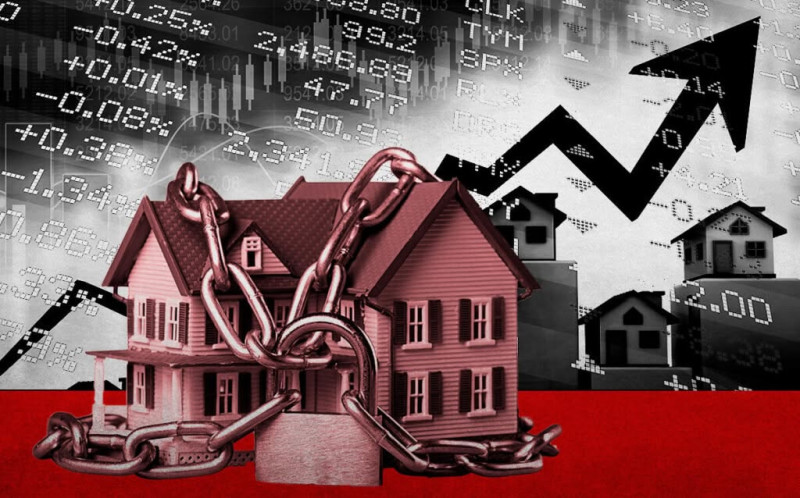
Mortgage rates spike in unprecedented market shift
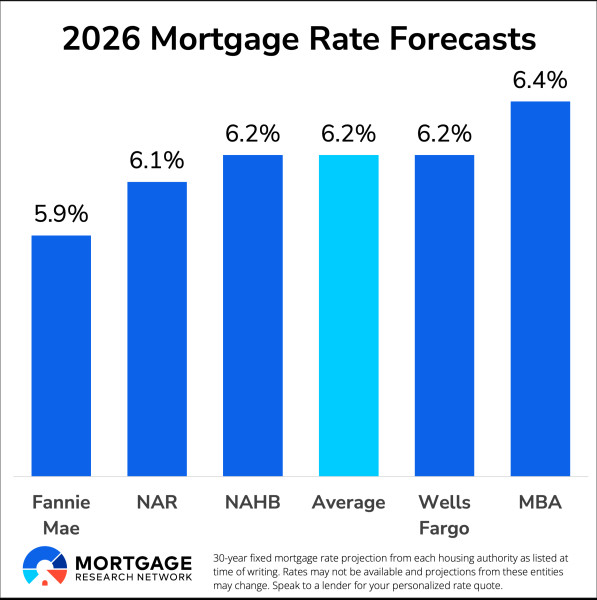
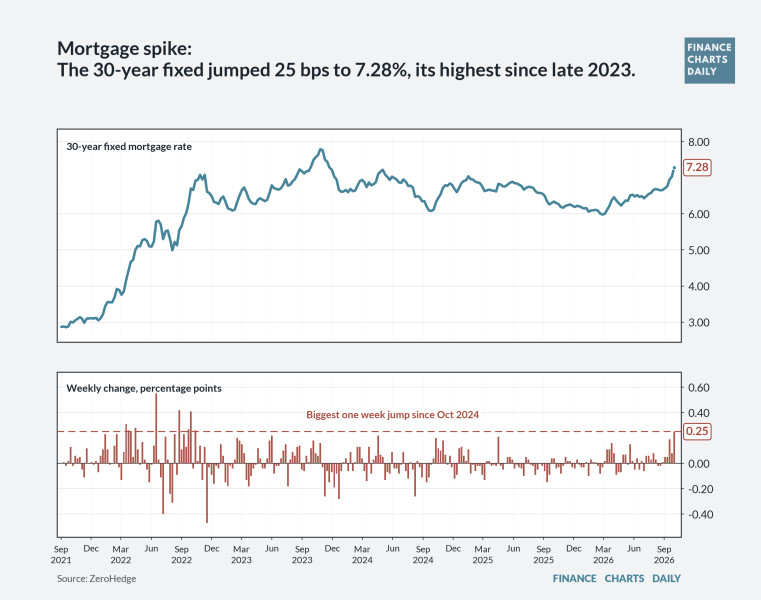
Mortgage rates have surged to levels not seen in recent years, raising monthly payments for homeowners and increasing costs for new buyers, prompting calls for strategic financial planning.
Key points
- Mortgage rates have risen sharply, pushing monthly payments higher for existing homeowners.
- Higher rates reduce purchasing power for new buyers and make refinancing less attractive.
- Inflation, tighter monetary policy and economic uncertainty are cited as drivers of the rate surge.
- Experts advise homeowners to consider locking in fixed rates and to improve credit and savings.
- Comparing offers from multiple lenders can help borrowers find better terms.
The mortgage market is in turmoil. Across the nation the steady hum of interest rates has been interrupted by a dramatic spike. Homeowners across the country are feeling the pressure as their monthly payments rise, and those looking to refinance are facing a future of uncertainty. According to recent reports, the situation is rapidly evolving, with mortgage rates reaching unprecedented levels in recent times. The question on everyone’s mind: what’s driving this sudden shift, and what does it mean for homeowners and buyers alike?
Understanding the Surge in Mortgage Rates
Mortgage rates, a barometer of economic health, have been on a steady rise. This trend is driven by a combination of factors, including inflation, economic policy changes, and the broader financial landscape. Economic uncertainty has led to a surge in rates, as investors seek safer havens for their capital. Inflation, currently at a high, has prompted central banks to tighten monetary policies, leading to increased borrowing costs. According to Investopedia, mortgage rates have been on a rollercoaster ride, with refinancing rates fluctuating wildly in recent months.
Impact on Homeowners and Buyers
For existing homeowners, the rise in mortgage rates means increased financial strain. Those with adjustable-rate mortgages are feeling the pinch as their monthly payments climb. For new buyers, the situation is equally dire. Higher interest rates translate to higher monthly payments and reduced purchasing power, making it harder to enter the market. Refinancing, once a popular strategy for lowering monthly payments, is now less appealing. According to Bankrate, many homeowners are reconsidering their options as rates continue to rise.
Strategizing in a Volatile Market
Navigating this volatile market requires strategic planning. For existing homeowners, it’s crucial to evaluate the terms of their current mortgage. Those with adjustable-rate mortgages may want to consider locking in a fixed rate before rates climb further. For new buyers, the focus should be on building a strong financial foundation. This includes saving for a larger down payment, improving credit scores, and ensuring financial stability. Refinancing, while less attractive, may still be an option for some. According to LendingTree, homeowners should carefully assess their financial situation and explore all available options.
“In times of economic uncertainty, it’s essential for homeowners to stay informed and proactive. Keep an eye on market trends and consult with financial experts to make the best decisions for your situation,” advises a mortgage expert from Rocket Mortgage.
For those looking to refinance, it’s important to stay informed about the latest trends and rates. According to NerdWallet, comparing rates from multiple lenders can help homeowners find the best possible deal.
As the mortgage market continues to evolve, homeowners and buyers alike must adapt to the changing landscape. Whether it’s locking in a fixed rate, building financial stability, or exploring refinancing options, strategic planning is key.
For those watching the mortgage market, the question remains: how long will this uncertainty last? Only time will tell, but one thing is certain—staying informed and proactive is crucial in navigating these choppy waters.
Your questions, answered
Why are mortgage rates increasing now?
The article attributes the rise to high inflation, tighter central‑bank policies and broader economic uncertainty.
What should homeowners with adjustable‑rate mortgages do?
They are urged to evaluate locking in a fixed‑rate mortgage to avoid further payment increases.
Quick poll
Should homeowners lock in a fixed‑rate mortgage now?
0 votes
How does this story make you feel?
Topics
 Up next · BusinessJPMorgan shares rise amid Middle East tensions