The Intricacies of Kuwait's Diplomatic Pivot: A Strategic Shift in the Gulf
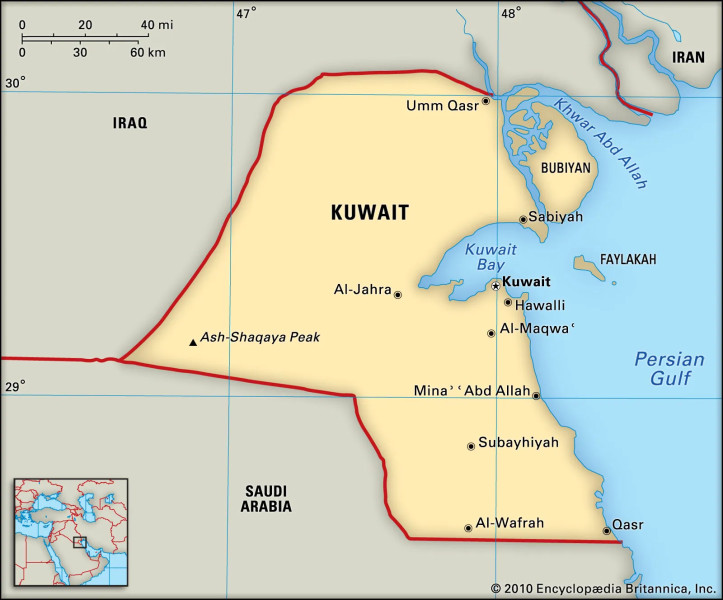
The small but strategically crucial nation of Kuwait is once again in the spotlight, as it navigates a delicate diplomatic dance with regional heavyweights Iran and the United States. The recent developments in Kuwait news highlight the country's shifting geopolitical stance, as it seeks to balance its traditional alliances with the United States and its growing need for regional stability.
Kuwait: A Balancing Act Between Iran and the U.S.
The geopolitical chessboard of the Middle East is in constant flux, and Kuwait is no exception. The country's latest moves indicate a subtle yet significant pivot in its foreign policy. Kuwait has been known for its neutral stance in the region, often acting as a mediator between rival factions. However, recent actions suggest a shift in its stance, particularly in relation to Iran and the United States. Kuwait's efforts to maintain a balance between these two superpowers have become increasingly complex, as both nations assert their influence in the region.
In recent times, Kuwait has been navigating a complex diplomatic terrain. The country has historically maintained strong ties with the United States, which has been a key ally since the 1991 Gulf War. However, the evolving political landscape in the region, coupled with Iran's growing influence, has pushed Kuwait to adopt a more nuanced approach. This pivot is evident in recent diplomatic and economic engagements, where Kuwait has sought to strengthen its ties with Iran while maintaining its alliance with the United States. The country's leadership has been vocal about the need for regional stability, and its recent actions reflect this commitment.
An interesting counterpoint to this narrative is the potential for miscalculation. While Kuwait's diplomatic maneuvering is strategic, there is always a risk of overreach. Critics argue that Kuwait's efforts to balance its relations with Iran and the United States could be seen as a form of appeasement, potentially undermining its own security and sovereignty. This is a valid concern, as the geopolitical landscape of the Middle East is notoriously volatile, and missteps can have far-reaching consequences.
The Implications for Regional Stability and U.S.-Iran Relations
The geopolitical dynamics of the Middle East are rapidly evolving, and Kuwait’s strategic shift has far-reaching implications. As the country seeks to balance its ties with Iran and the United States, the broader geopolitical landscape is poised for significant changes. The Middle East has long been a hotbed of tension, with various factions vying for control and influence. Kuwait's new approach could either mitigate or exacerbate these tensions, depending on how it is perceived by both Iran and the United States.
Kuwait's diplomatic pivot comes at a critical juncture in U.S.-Iran relations. The recent strained relations between the two countries have placed considerable pressure on regional players, including Kuwait. The U.S. has long been a steadfast ally of Kuwait, providing military and economic support, while Iran has been a growing regional power with its own set of interests. Kuwait's efforts to engage with both nations reflect its strategic need to maintain stability in a volatile region.
In a telling statement, a senior Kuwaiti diplomat recently highlighted the country's commitment to regional stability. He emphasized that Kuwait's foreign policy is driven by the need to foster peace and security in the Gulf region, noting that the country's recent diplomatic initiatives are aimed at achieving this goal. The diplomat also underscored the importance of maintaining open lines of communication with all regional players, including Iran and the United States, to facilitate dialogue and cooperation.
Let's not kid ourselves: the geopolitical dynamics of the Middle East are incredibly complex. While Kuwait’s diplomatic pivot may be strategic, the potential for missteps and unintended consequences is ever-present. The country’s leadership must tread carefully, balancing its interests with the realities of the region. As the world watches, Kuwait’s actions will undoubtedly shape the future of the Gulf and beyond.
Conclusion: A New Era of Diplomatic Engagement
Kuwait’s recent diplomatic maneuvers reflect a strategic pivot in its foreign policy, as the country seeks to balance its ties with Iran and the United States. As the geopolitical landscape of the Middle East continues to evolve, Kuwait’s efforts to maintain regional stability will be crucial. The country’s diplomatic initiatives, while fraught with challenges, represent a new era of engagement and cooperation in the Gulf. As Kuwait navigates this complex terrain, its actions and the reactions from both Iran and the United States will undoubtedly shape the future of the region. Here’s to hoping that Kuwait’s diplomatic pivot will lead to a more stable and peaceful Middle East.
How does this story make you feel?
 Up next · WorldTornado Alerts Strike New York: Rochester and Buffalo Brace for Impact