In a region where the Himalayas meet the Ganges, Nepal's recent flooding is a tale as old as the mountains themselves, yet it is also an urgent call to a modern world grappling with environmental change. The country, a cultural and geographical mosaic, has always been defined by its topography. Yet in recent times, the country’s rivers have swelled with a ferocity that has left thousands displaced and infrastructure damaged, highlighting the shifting dynamics between nature and human habitation.
The Aftermath of Nepal's Flooding
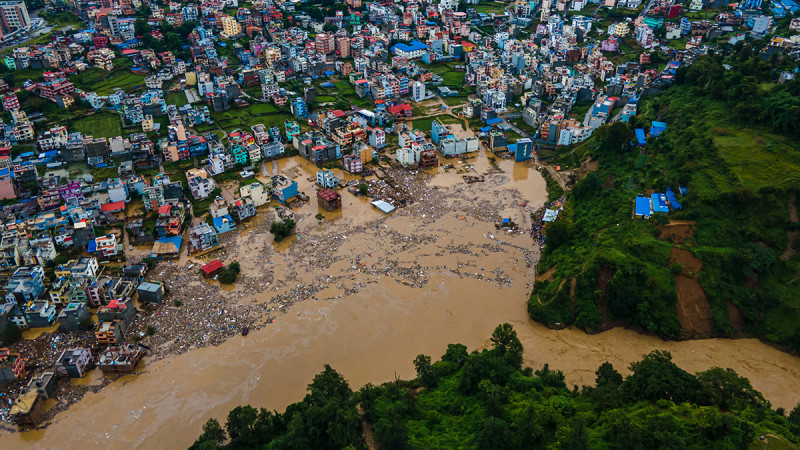
Recent floods in Nepal have been nothing short of devastating. The country, known for its scenic landscapes and cultural heritage, has found itself at the mercy of nature's wrath. The floods, which have inundated parts of the country, have left a trail of destruction in their wake. The government has declared an emergency, with rescue and relief efforts underway to provide support to those affected.
The extent of the damage is a stark reminder of Nepal's vulnerability to natural disasters. The floods have exacerbated existing challenges, including the displacement of thousands of people and the disruption of essential services. The Nepalese government has been steadfast in its response, but the sheer magnitude of the crisis has made the task daunting.
Understanding the Geological Factors
Nepal's geography, characterized by its steep terrain and numerous rivers, makes it particularly susceptible to floods. The country's rivers, fed by melting glaciers and heavy rainfall, have been swelled by unusual precipitation levels in recent weeks. This phenomenon, coupled with inadequate infrastructure, has resulted in widespread flooding.
The floods have also exposed the inadequacies of Nepal's disaster management systems. The devastation has been exacerbated by the lack of infrastructure and an overreliance on traditional methods of flood control, which have proven ineffective in the face of recent events. This has led to calls for more robust and sustainable solutions, including the development of early warning systems and the construction of flood-resistant infrastructure.
The Human and Environmental Cost
The human cost of Nepal's floods is immeasurable. Thousands of people have been displaced, and many have lost their homes and livelihoods. The psychological impact on those affected is also significant, with many grappling with the trauma of displacement and loss.
The environmental impact of the floods is equally severe. The devastation caused by the floods has led to widespread deforestation and soil erosion, further exacerbating the environmental challenges the country faces. The Nepalese government has been working to mitigate these impacts, but the task is monumental.
The flooding in Nepal presents a critical juncture in the country's environmental history. The damage caused by the floods is a stark reminder of the need for sustainable development and the protection of the environment. As Nepal recovers from this disaster, it must also look towards the future, implementing policies and practices that will ensure the long-term sustainability of the country.
The floods in Nepal are a stark reminder of the need for sustainable development and effective disaster management. As the country rebuilds, it must also look to the future, implementing policies that will ensure long-term sustainability and resilience.
The devastation in Nepal serves as a sobering reminder of the forces that shape our world, echoing the ancient tales of the Himalayas. As the country rebuilds, it must do so with an eye toward the future, ensuring that the lessons of the past are not forgotten. Just as the Himalayas have stood the test of time, so too must Nepal, resilient and ready to face the challenges of a changing world, and the floods are a stark reminder of the need for sustainable development and effective disaster management.