NATO Bracing for Putin's Next Move: Is War Imminent?
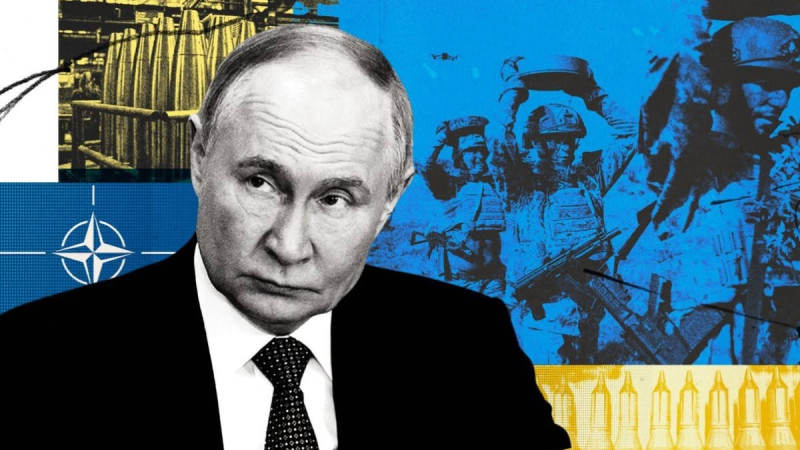
Tensions simmer between Russia and NATO, with the specter of conflict looming as Vladimir Putin prepares to test the alliance's resolve
The Latest on Putin's Plans to Test NATO
Recent US intelligence assessments suggest that Russian President Vladimir Putin is poised to test NATO's unity with a military attack. The potential escalation comes as Putin faces mounting pressure and dwindling resources. Recent hybrid attacks against NATO, including political interference and sabotage, indicate a growing desperation.
This shift in strategy coincides with Putin's appointment of Denis Lyamin to head Russia's Unmanned Systems Forces. This newly established branch is specifically tasked with drone warfare. The move underscores Russia's determination to modernize and diversify its military capabilities, aligning with Putin's broader geopolitical ambitions.
The intelligence community believes that Putin might favor a limited military strike rather than an all-out assault. This measured approach could include sabotage, political meddling, or other forms of hybrid warfare. The goal seems to be a test of NATO's resolve rather than a full-scale confrontation.
NATO's Preparedness and Response
The North Atlantic Treaty Organization is reportedly stepping up its readiness in anticipation of Putin's next move. Enhanced surveillance and intelligence-gathering efforts are underway to monitor potential threats. Military exercises and joint training operations have also increased, ensuring that member states are prepared to respond swiftly to any aggression.
NATO's strategy involves both defensive and diplomatic measures. The alliance aims to project strength while maintaining open channels of communication. The hope is to deter aggression and prevent a broader conflict without escalating tensions further.
Think again about the possibility of a limited attack. NATO officials are grappling with the implications of such a scenario. The challenge lies in distinguishing between a genuine threat and a calculated provocation. The stakes are high, as a misstep could lead to unintended escalation.
Gone is the era of predictable Cold War strategies. Today, the battlefield is as much psychological as it is physical.
NATO's focus on hybrid warfare, defined as a blend of military and non-military tactics, reflects a deeper understanding of modern conflict. Cyberattacks, disinformation campaigns, and economic coercion are all tools in Putin's arsenal.
What's at Stake for Russia and the West?
The possible repercussions of Putin’s actions extend beyond NATO and Russia. The global economy could face significant disruption, and the political landscape of Europe could be irrevocably altered.
The economy is on the line, with potential sanctions and trade disruptions looming. NATO allies are already preparing for the worst, with contingency plans in place to mitigate the impact.
A broader conflict would have far-reaching consequences for global security. The geopolitical balance could shift, with new alliances and power dynamics emerging. The international community is watching closely, ready to intervene if necessary.
Russia's internal stability is also a concern. Economic hardships and the potential loss of life in a conflict could fuel unrest among the Russian populace.
The question is, how far will Putin push the limits of NATO?
“Putin is a ruthless strategist, but he’s also a rational actor,” says a former US diplomat who requested anonymity. “He knows the risks and will act accordingly. The real question is, how far are we willing to go to defend our allies?”
“We must stand united. Any sign of weakness will be exploited."- NATO Spokesperson.
“We must stand united. Any sign of weakness will be exploited.”
How does this story make you feel?
 Up next · WorldCatastrophic Storm Damage Rocks Central Iowa: A Widespread Crisis