Sotomayor and Gorsuch join dissent on immigration case
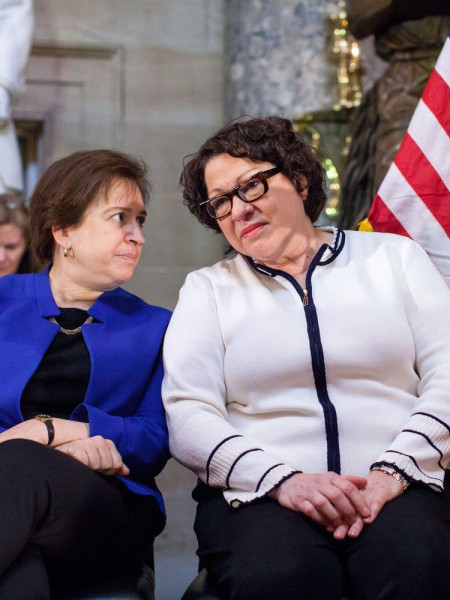
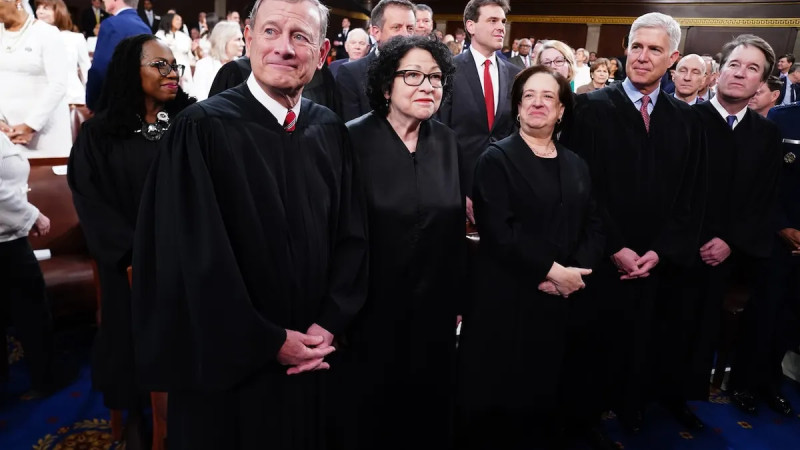
Justices Sonia Sotomayor and Neil Gorsuch filed a joint dissent calling a prosecution of immigrant Herrera‑Salazar a constitutional absurdity, highlighting double‑jeopardy concerns in U.S. immigration law.
Key points
- Sotomayor and Gorsuch issued a dissent in a case involving immigrant Herrera‑Salazar.
- The justices argued the prosecution violated double‑jeopardy protections.
- Their dissent underscores bipartisan scrutiny of immigration enforcement by the Supreme Court.
The Supreme Court's latest scrutiny of the immigration system has focused on a case that brought together Justices Sonia Sotomayor and Neil Gorsuch, who joined forces to spotlight what they termed a "constitutional absurdity" in the prosecution of an immigrant. The case highlights ongoing concerns over the government's handling of immigration cases, with the justices raising serious constitutional and procedural issues. This case underscores the complexities and controversies inherent in the U.S. immigration system, where policy and legal interpretations often collide.
Double Jeopardy and Constitutional Absurdity
Sotomayor and Gorsuch were part of a larger debate over the government’s prosecution of an immigrant named Herrera-Salazar, who faced a moot case that raised questions about double jeopardy. The Supreme Court typically rejects a majority of requests to hear cases, but the pair’s dissent in this instance underscored the broader implications of the case. The justices highlighted the potential for the government's actions to violate constitutional protections against double jeopardy — a situation where an individual is tried or punished twice for the same crime.
The case involved legal dilemmas that go beyond Herrera-Salazar, as the justices noted that the immigration system's procedural flaws can lead to severe injustices. Both Sotomayor and Gorsuch have previously shown a willingness to break from their usual ideological alignments to spotlight perceived government abuses, making this a significant instance of bipartisan scrutiny. This highlights the unique and sometimes unexpected alliances that can form on the Supreme Court, driven by a shared concern over the fairness of the legal process.
Bipartisan Scrutiny in the Supreme Court
The Supreme Court's decision to turn away Herrera-Salazar's case, while significant, is just one part of a broader pattern of judicial scrutiny over immigration policies. The justices' decision to address the underlying issues in Sotomayor and Gorsuch’s dissent highlighted how the Court is increasingly engaged in reviewing the constitutional implications of immigration enforcement. The Trump administration's immigration policies, in particular, have faced multiple legal challenges, with the Court often ruling against the government on procedural and constitutional grounds.
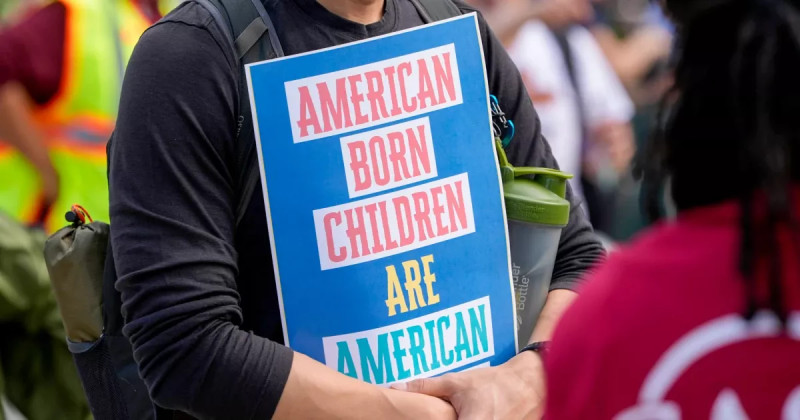
In a recent case, the Supreme Court rejected an executive order restricting birthright citizenship, a ruling that underscored the high-stakes nature of immigration-related litigation. These legal battles reflect a broader societal debate over immigration policy, with the Court's rulings often shaping the contours of federal immigration enforcement. The Supreme Court's involvement in immigration cases has become a crucial battleground for defining the boundaries of constitutional rights in an increasingly contentious political landscape.
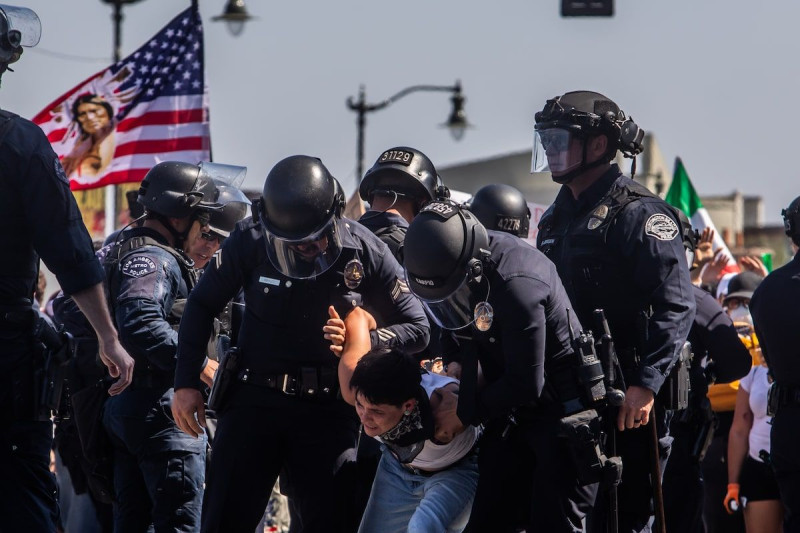
The Court’s attention to these issues is part of a broader pattern of judicial scrutiny over the executive branch’s immigration policies. Recently, the Court agreed to take up a case challenging the Trump administration's practice of indefinite detention for immigrants awaiting deportation. This case, along with others, reflects the Court's growing involvement in reviewing the constitutionality of immigration enforcement actions, ensuring that the executive branch's policies adhere to legal standards. This scrutiny has implications not only for immigration policy but also for the broader understanding of the administrative state and its limits.
The Future of Immigration Litigation
Recent developments in immigration litigation have reinforced the Supreme Court’s role as a critical arbiter in shaping immigration policy. The Court’s willingness to scrutinize government actions, as seen in the Sotomayor-Gorsuch dissent, underscores the high stakes involved in these cases. The ongoing debates over immigration policy will likely continue to dominate the legal landscape, with the Supreme Court playing a pivotal role in defining the contours of constitutional rights in this domain. The judicial branch's scrutiny of immigration policies will remain a focal point for both legal experts and the general public, as the Court continues to grapple with the complexities of immigration enforcement and its constitutional implications.
As the Supreme Court continues to navigate the legal intricacies of immigration cases, the Sotomayor-Gorsuch dissent serves as a reminder of the Court’s enduring commitment to ensuring that the government’s actions align with constitutional principles. The ongoing scrutiny of immigration policies underscores the importance of judicial oversight in protecting individual rights and upholding the rule of law. With the Court’s recent decisions and the continuing debates over immigration, the future of immigration litigation remains a dynamic and evolving landscape.
"The Court's decision to address the underlying issues in Sotomayor and Gorsuch's dissent highlighted how the Court is increasingly engaged in reviewing the constitutional implications of immigration enforcement."
Your questions, answered
What did Sotomayor and Gorsuch say about the Herrera‑Salazar case?
They called the prosecution a constitutional absurdity and warned it could breach double‑jeopardy rights.
Why is the Supreme Court reviewing immigration cases now?
The Court is increasingly examining the constitutional and procedural aspects of immigration enforcement.
Quick poll
Do you think the Supreme Court should intervene more in immigration enforcement cases?
0 votes
How does this story make you feel?
Topics
 Up next · PoliticsFatal accident on Six Flags Goliath roller coaster