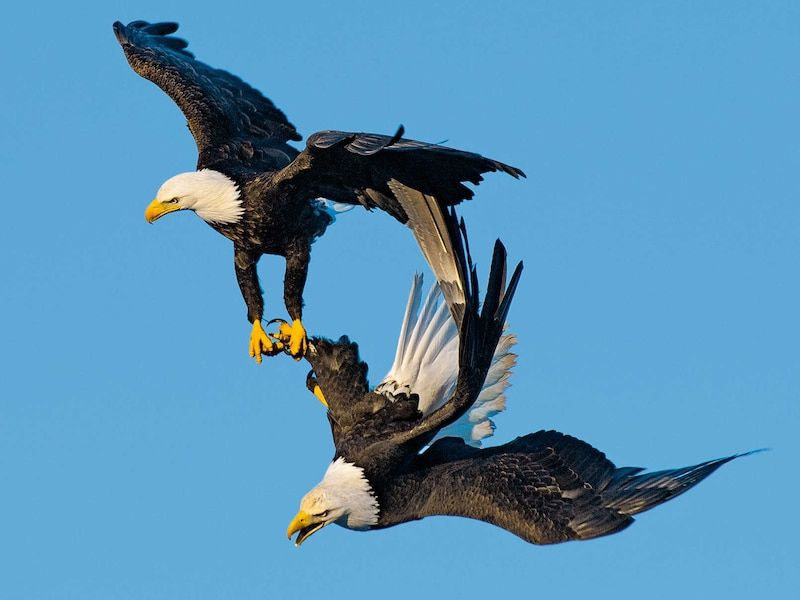
Jackie the Bald Eagle’s Death Highlights Avian Influenza Threat
Jackie, a webcam‑famous bald eagle from Big Bear, California, died from highly pathogenic avian influenza after a severe stomach ulcer caused fatal internal bleeding.
Key points
- Jackie’s death was confirmed by a necropsy conducted by the San Diego Zoo Wildlife Alliance and the Ojai Raptor Center.
- The highly pathogenic avian influenza virus caused a severe stomach ulcer that led to persistent internal bleeding.
- The case underscores the danger of bird flu to wild bird populations, especially iconic species like bald eagles.
- Conservation groups and the California Department of Fish and Wildlife are intensifying monitoring and public education efforts.
- The incident has renewed focus on research and proactive measures to protect vulnerable wildlife from avian influenza.
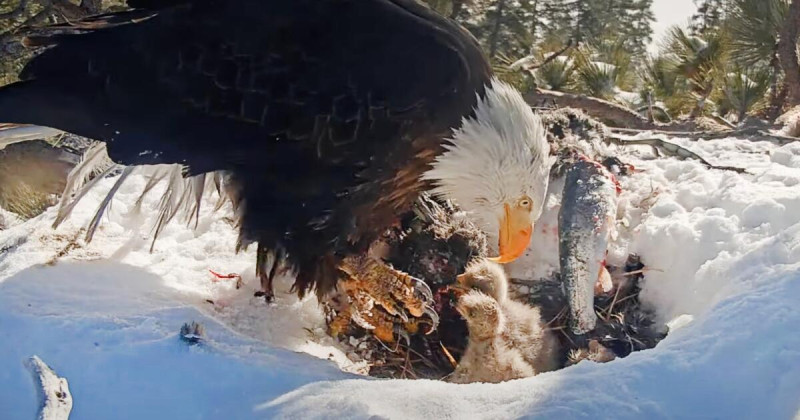
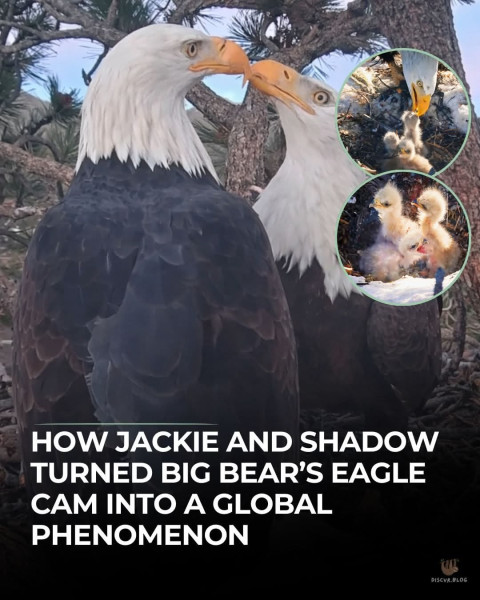
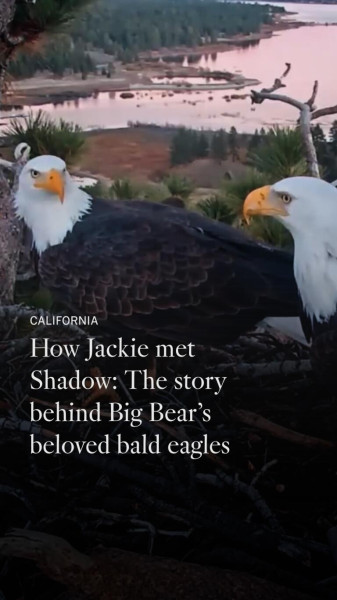
Jackie, the beloved bald eagle from Big Bear, California, has left a void in the hearts of millions who watched her life unfold via a webcam livestream. Her recent passing, attributed to Highly Pathogenic Avian Influenza (HPAI), has stirred deep emotions and concern regarding the escalating threat of bird flu to wildlife populations.
The Mysterious Death of Big Bear's Beloved Bald Eagle
In recent times, Jackie, the famed bald eagle from Big Bear, succumbed to a series of complex health issues, ultimately succumbing to the devastating effects of Highly Pathogenic Avian Influenza (HPAI), as revealed by a thorough necropsy.
Millions of viewers worldwide followed Jackie's life through a webcam livestream, becoming attached to the majestic bird. Her mysterious illness and eventual demise have left many questions and concerns. The necropsy, conducted by veterinary pathologists from the San Diego Zoo Wildlife Alliance and the Ojai Raptor Center, finally provided clarity on the underlying cause of her death.
Jackie's condition worsened due to an unusual and severe stomach ulcer, a direct result of the highly pathogenic avian influenza virus. This ulcer led to persistent internal bleeding, which ultimately proved fatal. The virus’s virulence and the resulting complications highlight the grave danger posed by avian influenza to wild bird populations, particularly iconic species like bald eagles.
Unraveling the Complexities of Avian Influenza in Wildlife
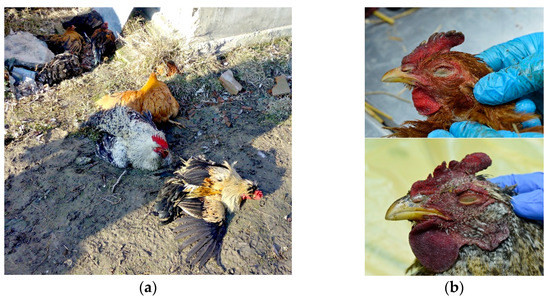
Highly Pathogenic Avian Influenza (HPAI) is a severe and often fatal form of bird flu that affects a wide range of avian species. The virus is notorious for its high mortality rate and rapid spread among wild and domestic birds. In recent times, the outbreak has affected various regions, including Big Bear, California, where Jackie resided.
The necropsy findings on Jackie revealed that the HPAI virus caused significant internal damage, particularly to her stomach. This condition led to persistent internal bleeding, which was the direct cause of her death.
Experts and wildlife conservationists are now grappling with the broader implications of this outbreak. The San Diego Zoo Wildlife Alliance, in collaboration with the Ojai Raptor Center, has been at the forefront of studying and combating the effects of avian influenza on wildlife. Their findings on Jackie’s case underscore the need for heightened vigilance and proactive measures to protect vulnerable species.
The California Department of Fish and Wildlife has also been instrumental in monitoring and managing the outbreak. Their efforts include surveillance, testing, and rehabilitation of affected birds, as well as public education campaigns to raise awareness about the dangers of avian influenza.
Despite extensive efforts, the outbreak continues to pose a significant threat to wildlife populations. The public's interest and concern over Jackie’s death have sparked a renewed focus on conservation efforts and the importance of protecting wild bird populations from deadly diseases.
“The loss of Jackie is a stark reminder of the ongoing battle against avian influenza. It underscores the urgent need for continued research and conservation efforts to protect our wildlife from this devastating disease,” said a spokesperson from the San Diego Zoo Wildlife Alliance.
The Ongoing Battle Against Avian Influenza
Avian influenza remains a persistent threat to wild bird populations, with outbreaks occurring sporadically across the globe. The recent findings on Jackie serve as a critical reminder of the virus's destructive potential and the necessity for stringent conservation measures.
Necropsy reports and ongoing research provide valuable insights into the virus's mechanisms and its impact on different species. These findings are crucial for developing effective treatment and prevention strategies. Additionally, public awareness and support are essential for sustaining long-term conservation efforts.
The future of wildlife conservation, particularly for species like bald eagles, hangs in the balance as researchers and conservationists work tirelessly to combat the spread of avian influenza. The recent developments in Jackie’s case underscore the need for continued vigilance and innovative approaches to safeguard these majestic creatures and their habitats.
As the battle against avian influenza continues, the legacy of Jackie the bald eagle lives on, inspiring renewed efforts to protect and preserve our natural world. One thing is certain: the fight to eradicate this deadly virus is far from over. And in Big Bear, there's a gaping hole in the sky, a presence missing that can never be replaced.
Your questions, answered
What caused Jackie the bald eagle’s death?
A necropsy found that the highly pathogenic avian influenza virus caused a severe stomach ulcer, leading to fatal internal bleeding.
Which organizations performed the necropsy on Jackie?
Veterinary pathologists from the San Diego Zoo Wildlife Alliance and the Ojai Raptor Center conducted the necropsy.
How does this story make you feel?
Topics
 Up next · ScienceKansas City braces for tornado warning and severe thunderstorm