Holmes’ final weeks captured in new documentary
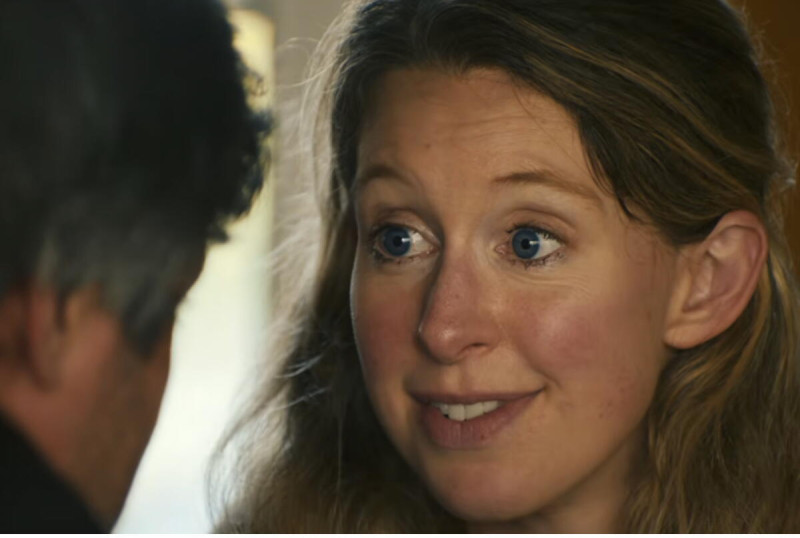
The film "You Can See Everything" follows former Theranos founder Elizabeth Holmes in the weeks before her prison term, showing her interactions with director Nathan Fielder and her husband Billy Evans.
Key points
- Documentary directed by Nathan Fielder and Lance Oppenheim follows Holmes before her 2023 incarceration.
- The film focuses on Holmes’ relationship with her husband Billy Evans and her confrontation with Fielder.
- Fielder’s style blends humor and social commentary, blurring observer and subject.
- The film is trending and may be considered for upcoming Oscars.
- It presents a psychological battle over truth and perception.
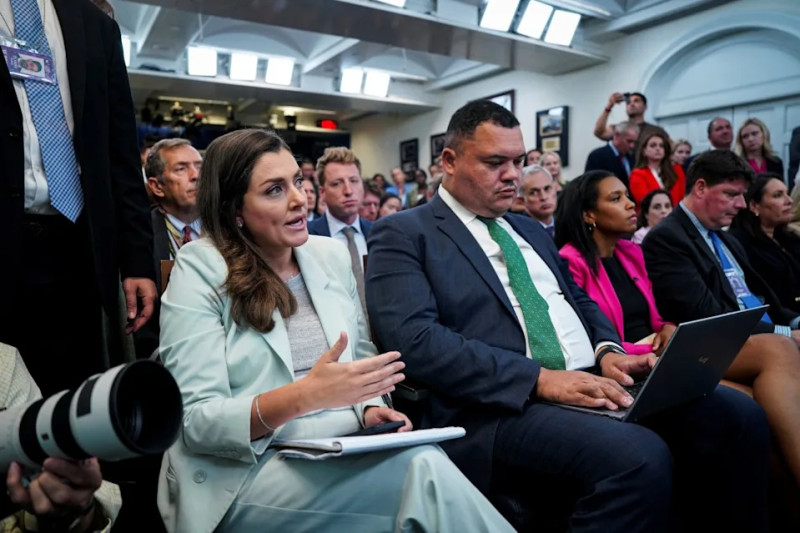
The fluorescent glare of the briefing room illuminates a stark image: Elizabeth Holmes, the once-celebrated founder of Theranos, prepares for a journey she never envisioned. In the documentary You Can See Everything, directed by Nathan Fielder and Lance Oppenheim, we witness a portrait of Holmes’ final weeks of freedom before she begins her prison sentence for defrauding investors. The documentary, which is currently trending and has garnered widespread attention, offers an unfiltered look at Holmes’ life. — The film delves into a tangled web of deceit, ambition, and the tumultuous relationship Holmes shares with Billy Evans, her husband. But this is no ordinary documentary; it presents a psychological battle over truth and perception. As the film crew documents their every move, the lines between reality and illusion blur, setting the stage for a mind‑bending odyssey.
Holmes, Fielder, and the Unraveling of Truth
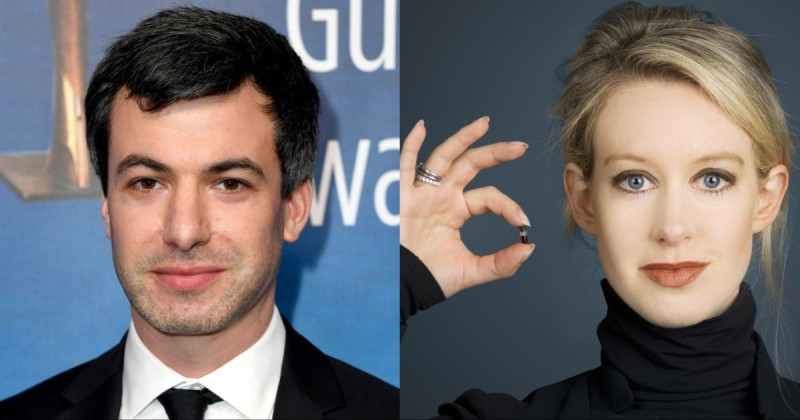
Nathan Fielder, known for his unique brand of documentary filmmaking that combines humor and social commentary, and Lance Oppenheim, a seasoned documentarian, have crafted a film that is as gripping as it is unsettling. At the heart of the documentary is the dynamic between Holmes, Fielder, and the film crew. Fielder’s approach is unconventional and combative, as he challenges Holmes’ narrative and forces her to confront the consequences of her actions.
“The tension between Fielder and Holmes is palpable, and it’s this raw, unfiltered dynamic that makes the documentary so compelling.” — Los Angeles Times.
In recent times, Fielder has been at the forefront of the documentary world, known for his work in series like “The Rehearsal” on HBO. The documentary showcases his distinct style, where he inserts himself into the narrative, blurring the lines between the observer and the observed. This approach has been both praised and criticized, but in the context of Holmes’ story, it adds a layer of complexity that keeps viewers on the edge of their seats.
The Theranos Saga: A Tale of Deceit and Ambition
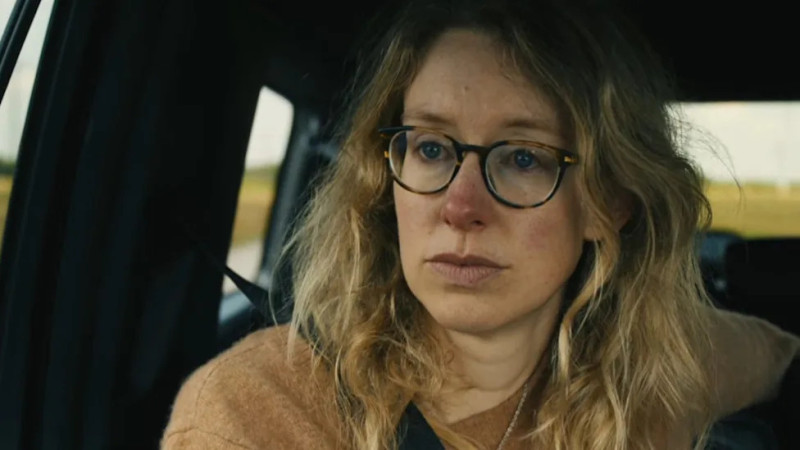
The documentary is a deep dive into the life of Elizabeth Holmes, the founder of the defunct Theranos, a health technology company that promised to revolutionize blood testing. The film documents the weeks leading up to Holmes’ incarceration in 2023, providing an intimate and unfiltered look at her life. — The film’s title, You Can See Everything, is a nod to the camera’s omnipresence, constantly capturing the intricacies of Holmes’ daily life.
As the film progresses, the audience is drawn into a whirlwind of emotions, from the hum of phones buzzing in pockets to the quiet moments of reflection and self‑doubt. Holmes’ relationship with her husband, Billy Evans, is a central theme, revealing a complex dynamic that is both supportive and tumultuous.
The Unfiltered Truth: What Lies Beneath
The clash between Fielder and Holmes is more than just a battle of wits; it’s a battle for the truth. As Fielder pushes Holmes to confront her past, the audience is left with more questions than answers.
This psychological showdown between Fielder and Holmes is reminiscent of other high‑profile documentaries, such as “Framing Britney Spears”, where the lens of scrutiny is turned on a public figure, peeling back the layers to reveal a more nuanced and often unsettling truth. — As the recent reports suggest, this documentary will likely be a contender in the upcoming Oscars, marking a new chapter in the storied history of documentaries that push the boundaries of truth and perception. —
In the end, the documentary leaves us with a sense of unease, much like the final moments of a thriller. As the credits roll, the audience is left to ponder the complex nature of truth and the blurred lines between reality and illusion. — It’s a testament to Fielder and Oppenheim’s skill as filmmakers that they can craft a narrative that is both gripping and thought‑provoking, leaving a lasting impact on the viewer. — This psychological showdown between Fielder and Holmes is a stark reminder of the power of the truth, and the lengths to which people will go to protect it. — This documentary is a testament to the ongoing fascination with Holmes’ story, and the enduring appeal of documentaries that delve into the darker corners of human ambition and deceit. —
Your questions, answered
Who directed the documentary about Elizabeth Holmes?
Nathan Fielder and Lance Oppenheim directed the documentary "You Can See Everything.
What is the focus of the documentary?
It follows Holmes’ final weeks before her prison sentence and her interactions with her husband and the filmmakers.
Quick poll
What aspect of the documentary is most compelling?
0 votes
How does this story make you feel?
Topics
 Up next · EntertainmentLeaked footage reveals cancelled Assassin’s Creed game set in Qin Dynasty