Boomer net worth outpaces younger adults, survey shows
A Federal Reserve survey finds Baby Boomers hold a large financial edge over younger generations, widening wealth gaps driven by housing, debt, and wage trends.
Key points
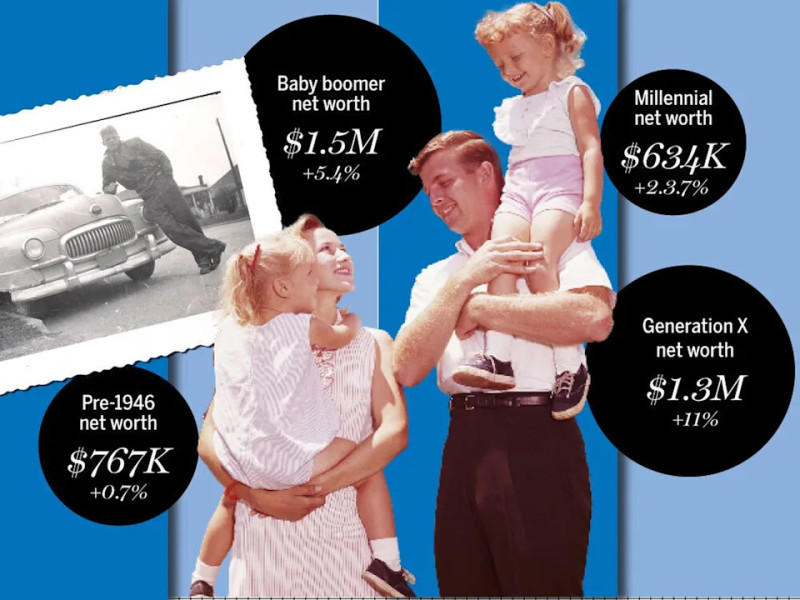
- Baby Boomers have higher net worth due to stocks, homes, and pensions.
- Younger adults face higher debt, especially student loans, and higher housing costs.
- The gap may grow without policy changes on wages, housing, and debt relief.
The latest survey of consumer finances reveals a stark divide: the boomer vs. young adult net worth, with Baby Boomers holding a massive financial edge. The numbers, however, tell a complex story of shifting economic landscapes and generational wealth disparities. But what's driving this gap, and how does this latest report reshape our understanding of intergenerational wealth?
Boomers vs. Younger Generations: The Net Worth Gap Widens
New data from the Federal Reserve's Survey of Consumer Finances has shed light on the widening net worth gap between Baby Boomers and younger adults. This disparity is driven by several factors, including decades of accumulating stocks, homes, and pension savings.
Baby Boomers, born between 1946 and 1964, entered adulthood during a time of rising wages, affordable housing, and strong pensions. They enjoyed a robust economy and a surge in home ownership, which has bolstered their net worth over the years. In contrast, younger generations have faced a different economic climate. Gen X, Millennials, and Gen Z have had to navigate a landscape marked by stagnant wages, skyrocketing housing costs, and a shaky job market.
Understanding the Generational Wealth Gap
The reasons behind the wealth gap between Baby Boomers and younger adults are multifaceted. The Federal Reserve data shows that younger generations are not only less wealthy but also carrying a heavier debt burden. For instance, Millennials and Gen Z are saddled with student loan debt, which has an impact on their ability to build wealth. Additionally, the cost of living has risen, making it difficult for younger adults to save and invest as their predecessors did.
One of the most glaring differences in the wealth gap is the ownership of assets, particularly homes. While Baby Boomers benefited from a period of cheap housing and favorable mortgage rates, younger generations are struggling to enter the housing market. According to the data, Baby Boomers own a significant portion of U.S. household wealth, primarily due to their ownership of stocks, homes, and pension savings. Meanwhile, younger adults are often stuck renting, or if they do buy, they are paying much higher prices.
“This latest survey highlights the systemic issues at play, such as the lack of affordable housing, stagnant wages, and the heavy burden of student debt. We’re looking at a future where the wealth divide may only widen further unless significant policy changes are made.”
The Potential for Change: Addressing the Wealth Divide
So, what does this mean for the future of intergenerational wealth? The data suggests that without substantial changes, the net worth gap will only continue to grow, potentially creating a societal rift with long-lasting effects. As the economy evolves, younger generations must navigate a landscape that is vastly different from that of their predecessors. Policies aimed at addressing issues like housing affordability, student debt, and wage stagnation could help bridge the wealth gap.
In recent times, there has been a push for more equitable economic policies. Some proposals include increasing the minimum wage, providing student loan relief, and implementing affordable housing initiatives. These measures, if implemented, could help younger adults build wealth and close the gap with Baby Boomers.
For now, the net worth gap remains a stark reminder of the economic challenges faced by younger adults. As the wealth divide widens, it is crucial to address the systemic issues that contribute to this disparity. Only then can we hope to create a more equitable future for all generations.
The Boomer vs. Young Adult Net Worth divide isn't just about numbers; it's about the very fabric of our society and the opportunities we offer to future generations.
Your questions, answered
What does the Federal Reserve survey say about generational wealth gaps?
It shows Baby Boomers hold more net worth than younger adults, with younger generations carrying higher debt and struggling with housing costs.
What factors contribute to the widening wealth gap?
Decades of stock and home accumulation for Boomers, stagnant wages, rising housing costs, and student debt for younger adults.
Quick poll
Which factor most impacts the generational wealth gap?
0 votes
How does this story make you feel?
Topics
 Up next · BusinessBoomer net worth rises 38%, while households under 35 decline 23%