JD Vance says Iran conflict is not a war
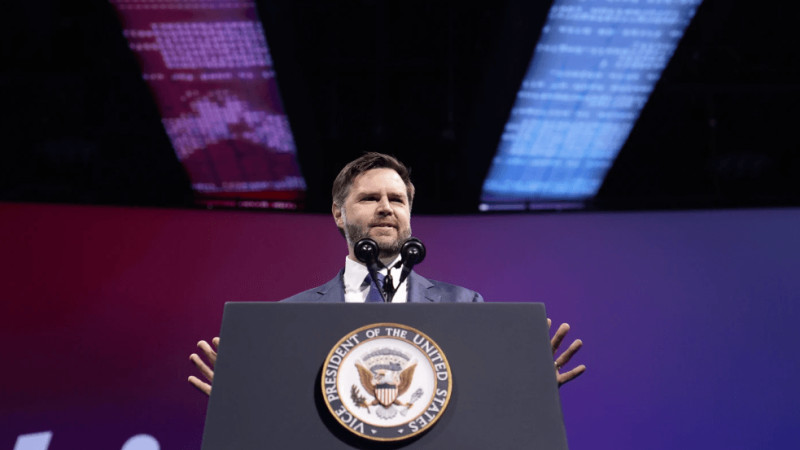
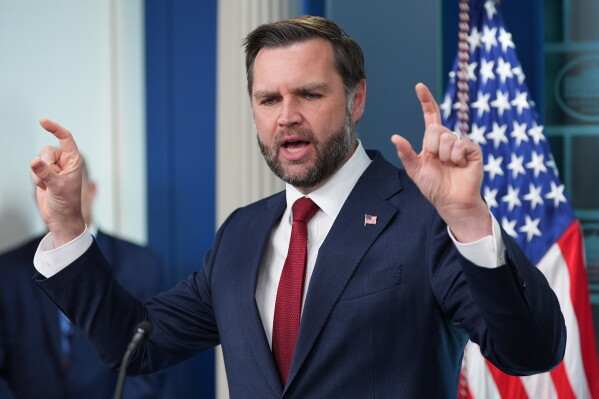
Vice President JD Vance declared at a White House briefing that the U.S.-Iran conflict should not be labeled a war, sparking debate over the definition of war and the administration’s strategy.
Key points
- Vance said the conflict lacks active shooting or conventional military operations.
- His remarks were met with criticism and skepticism from journalists and military officials.
- The statement came amid reports of drone strikes, cyberattacks, and other non‑traditional hostilities.
- The debate highlights uncertainty about what constitutes a war in modern conflicts.
- The administration’s next steps remain unclear as tensions persist.
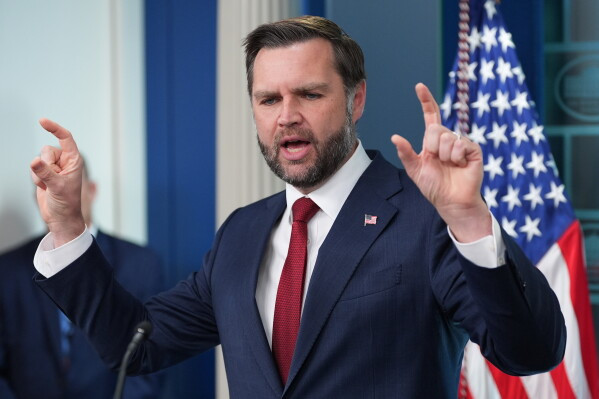
In the fluorescent glare of the briefing room, Vice President JD Vance leaned forward, his voice steady as he addressed the assembled press. "I wouldn't call it a war right now," he stated, a statement that sent a ripple through the room, the hum of phones buzzing in pockets as journalists scrambled to capture the moment. Vance's latest remarks on the Iran conflict have reignited a firestorm of debate, with critics and allies alike weighing in on the administration's stance. — This controversy is a pivotal moment in the ongoing saga of the Iran conflict, and it's worth diving into what led to this point.
The Latest Remarks: "It's Not a War"
Vice President JD Vance's recent statements about the Iran conflict have sparked significant debate. During a White House press briefing, Vance declared that the ongoing conflict with Iran should not be labeled as a war. "There's no active shooting or conventional military operations," he explained, a stance that has been met with both criticism and skepticism. Vance's words have been scrutinized by those who believe the conflict involves more than just sporadic skirmishes, raising questions about the administration's definition of war and the true nature of the ongoing hostilities. This has become a central theme in the discourse surrounding the Iran conflict, with many wondering how the administration plans to address the escalating tensions. — Vance has been frank in his assessments, even acknowledging that the conflict has led to significant issues, including the recent FlyDubai attack.
The Press Briefing: A Background
The press briefing where Vance made his controversial remarks was just one of several recent instances where the Iran conflict has been a focal point. Vance himself faced a barrage of questions from reporters and military commanders, who pressed him on the administration's strategy and the potential for a peace deal. The briefing room was intense, with a palpable sense of urgency as Vance fielded questions about the conflict's future. One particularly poignant moment was when a man, whose wife was killed in the early hours of the U.S.-Iran war, questioned Vance on the "mistakes" and "fundamental failures" that had led to the current situation. His voice, tinged with both anger and sadness, underscored the human cost of the conflict, a stark reminder of the stakes involved. — Vance's responses, though measured, did little to quell the rising tide of concern and frustration among those affected by the conflict. This has left many wondering about the administration's next steps and the potential for a resolution.
The Broader Implications: A Changing Conflict
The U.S.-Iran conflict has evolved significantly in recent months, with both sides engaging in various forms of warfare that go beyond traditional military operations. Vance's assertion that the conflict is not a war has been met with skepticism, particularly as reports of drone strikes, cyberattacks, and other forms of aggression continue to surface. The conflict's fluid nature, characterized by intermittent clashes and strategic maneuvers, has made it difficult for many to classify it as a straightforward war. This uncertainty has led to a broader discussion about the nature of modern warfare and the need for a more nuanced understanding of conflict. — Vance's statements have only added to this discussion, prompting calls for a clearer definition of what constitutes a "war" in today's geopolitical landscape. The administration's handling of the conflict, including its approach to diplomacy and military strategy, has come under intense scrutiny, with many questioning the effectiveness of its current policies. This has set the stage for a complex and evolving narrative surrounding the Iran conflict, one that will likely continue to unfold in the coming months. — One thing, however, is clear: the conflict is far from over, and the administration's next moves will be watched closely by both allies and adversaries. — According to available reports, Vance has been candid in his assessments of the situation, acknowledging the complexity and challenges involved in resolving the conflict. This has left many wondering about the administration's plans for the future and what steps it will take to address the ongoing hostilities.
We have to be prepared to address this conflict in a way that acknowledges its complexity and the need for a multifaceted approach. It's not just about military strategy or diplomacy; it's about understanding the broader implications and the human cost involved. — JD Vance, Vice President
In the briefing room, Vance's face, marked by lines of fatigue and determination, reflected the weight of the moment. The administration's next moves, in this evolving conflict, will be watched closely, with many hoping for a resolution that acknowledges the complexity and human cost involved. — The ongoing debate underscores the need for a nuanced understanding of the conflict and the administration's strategy. — The implications of this evolving conflict will continue to unfold, with many wondering about the potential for peace and the next steps in this complex narrative. — The conflict, with its shifting dynamics and strategic maneuvers, has become a central theme in the administration's foreign policy, one that will likely define its legacy in the years to come. — The stakes, both politically and militarily, are high, and the administration's actions will be under intense scrutiny as the conflict continues to evolve.
Your questions, answered
What did JD Vance say about the Iran conflict?
He said the conflict should not be called a war because there is no active shooting or conventional military operations.
Why is Vance’s statement controversial?
Critics argue the conflict involves more than sporadic skirmishes, including drone strikes and cyberattacks, and question the administration’s definition of war.
How does this story make you feel?
Topics
 Up next · PoliticsJan Crawford apologizes after controversial X post about Abdul El‑Sayed