Political Earthquake: Brazil's Shocking Presidential Runoff
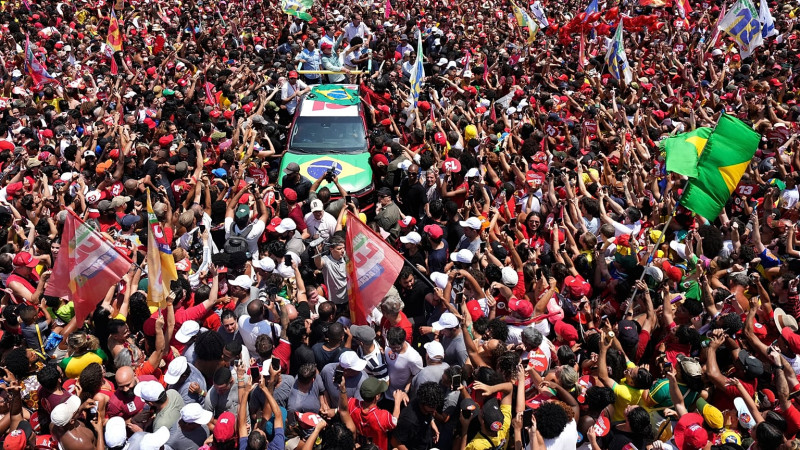
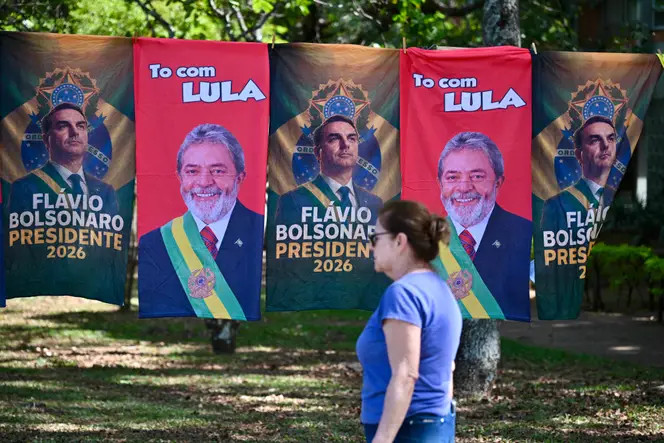
Brazil’s political landscape has been rocked by a stunning turn of events. In a shocking twist, Senator Flávio Bolsonaro of the Liberal Party (PL) performed strongly in the first round of the presidential election. This electoral shakeup sets the stage for a fiercely contested runoff, with the nation eagerly anticipating a dramatic political showdown. As the country braces for what promises to be a pivotal moment in its democratic history, the political atmosphere is electric.
The Rise of Flávio Bolsonaro: A Right-Wing Surge
The first-round results are a testament to the growing influence of the right-wing movement in Brazil, with Flávio Bolsonaro's victory riding on a powerful wave of right-wing sentiment. This highlights the seismic shift in the political landscape, underscoring the public’s desire for change.
This right-wing surge has not only propelled Flávio Bolsonaro to the forefront but also reshaped the political discourse across the country. The unexpected surge is indicative of broader socio-political trends and voter dissatisfaction with the incumbent. As the nation prepares for the runoff, it is clear that Bolsonaro’s momentum could redefine the trajectory of Brazilian politics.
As the presidential runoff approaches, the right-wing movement’s influence is expected to deepen, with Bolsonaro poised to capitalize on his momentum. The upcoming debates and campaign events will be crucial in shaping voter perceptions and determining the outcome of the runoff. The political atmosphere is charged with anticipation, as the nation awaits the final showdown.
The Lost Debate: A Missed Opportunity for Lula
Globo, Brazil’s largest television network, cancelled the final pre‑election debate. This decision left the political stage without a crucial platform for the candidates to address the public directly, heightening the tension ahead of the runoff.
The absence of a final debate has left a void in the political discourse, as voters were deprived of a direct, head‑to‑head confrontation between the two leading candidates. This missed opportunity has intensified the public’s curiosity and speculation about the candidates' stances on critical issues, including the economy, social policies, and international relations. The void left by the cancelled debate has also made way for political analysts, who have been filling the gap with their own interpretations and predictions.
While the cancellation has been a setback, it has also underscored the importance of direct engagement between candidates and the public. As the runoff approaches, the absence of a final debate could have lasting repercussions, with both candidates scrambling to make up for the lost opportunity. The cancellation has also sparked a debate about the role of television networks in democratic processes, prompting calls for more transparent and inclusive debate formats.
Lula’s Shock and Bolsonaro’s Triumph
Lula’s defeat in the first round, and subsequent admission of an ‘unexpected result’ has left many political analysts and supporters stunned. This unexpected outcome has sparked a wave of speculation and analysis, with many questioning the factors that contributed to Lula’s underperformance. The defeat has also raised questions about the effectiveness of Lula’s campaign strategy and his ability to connect with the electorate.
In contrast, Flávio Bolsonaro has emerged as a formidable contender, with his victory riding on a wave of public support for change. Bolsonaro’s triumph has underscored the growing discontent among voters, who are eager for a fresh start and a departure from the status quo. The right-wing surge has sparked a renewed interest in political activities, with voters flocking to support their preferred candidates.
As the nation prepares for the runoff, the political landscape is fraught with uncertainty and anticipation. The outcome of the runoff will have far‑reaching implications for Brazil’s future, with both candidates vying for a mandate to lead the country through a critical period of transition. The political atmosphere is charged with anticipation, as the nation awaits the final showdown.
With the first‑round results in, the political landscape is fraught with uncertainty and anticipation as the nation awaits the final showdown. The political atmosphere is charged with anticipation, as the nation awaits the final showdown.
"I don't think anyone expected Lula to be in this position. This shows that the political landscape is more dynamic and unpredictable than ever.
Think again. What happens if the runoff is as tight as the first round? The political landscape is fraught with uncertainty and anticipation as the nation awaits the final showdown. The political atmosphere is charged with anticipation, as the nation awaits the final showdown.
With the presidential runoff imminent, all eyes are on Brazil, a nation at a critical juncture in its political journey. The upcoming debates and campaign events will be crucial in shaping voter perceptions and determining the outcome of the runoff. The political atmosphere is charged with anticipation, as the nation awaits the final showdown.
The election of 2026 is much more than a contest for a presidency; it is a referendum on Brazil's future.
How does this story make you feel?
 Up next · PoliticsApuração Eleições 2026: Tensão no Ato Final