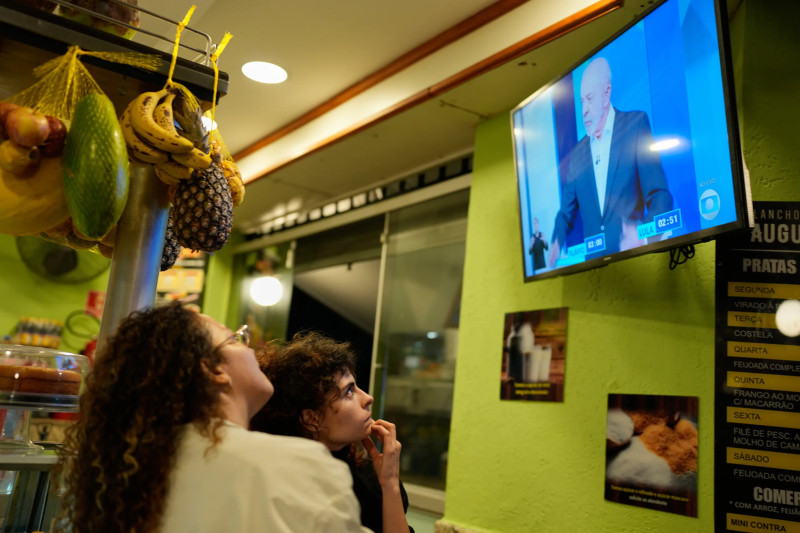
Lula's Spectacular Comeback: Brazil's Presidential Election in the Spotlight
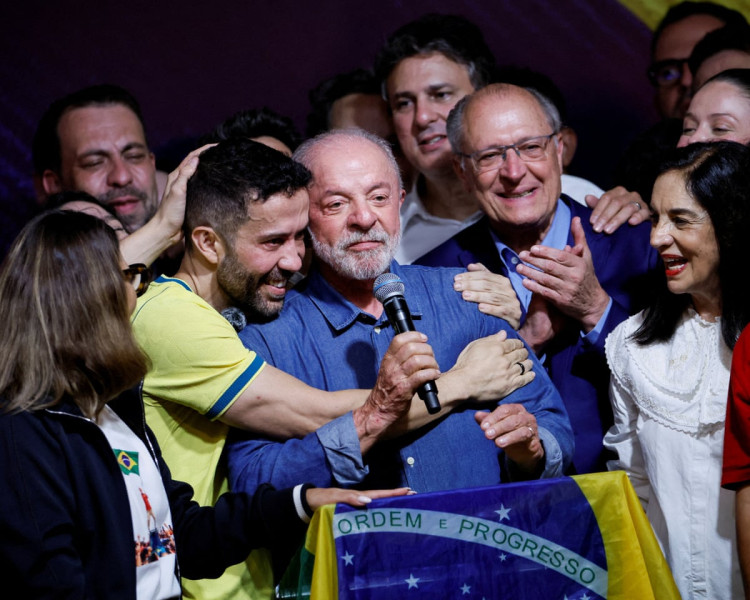
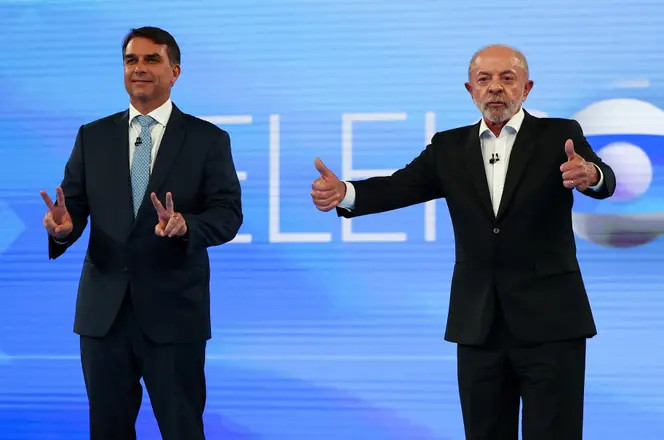
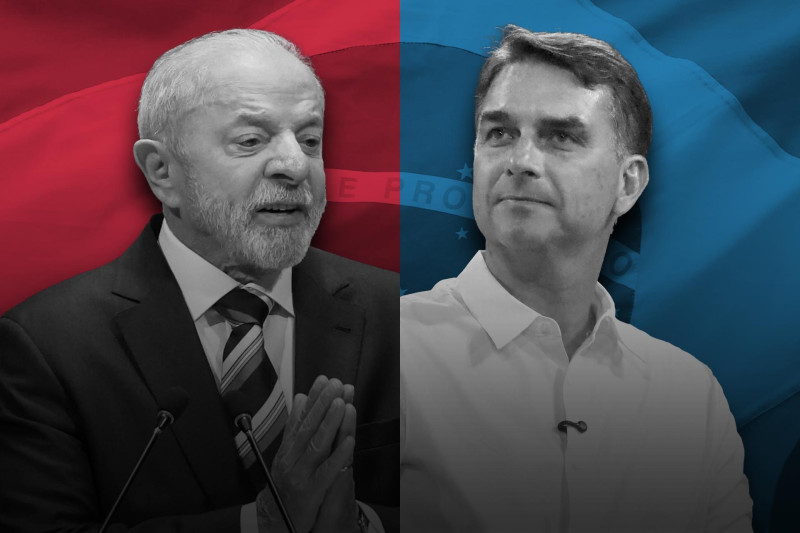
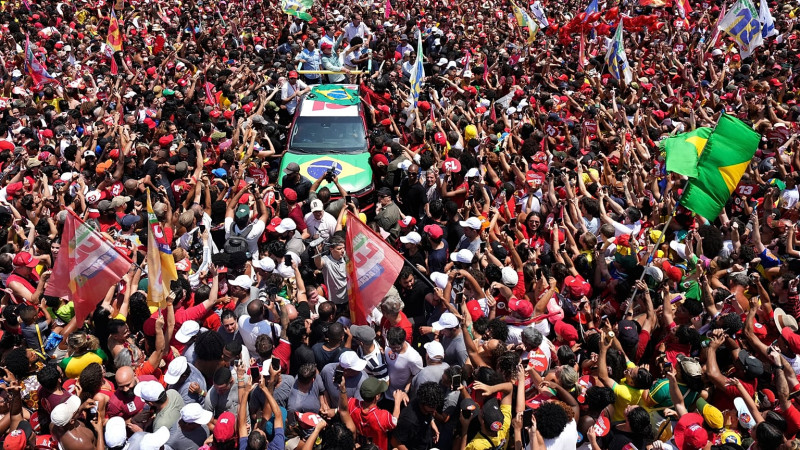
In a breathtaking political surge, Luiz Inácio Lula da Silva, widely known as Lula, has clinched a historic fourth term as Brazil's president, following a dramatic runoff election. The Democratic Workers' Party (PT) candidate drew the curtain on the contest with a 51.8 percent majority, while right-wing Senator Flavio Bolsonaro garnered 48.2 percent of the vote.
A Historic Reversal: Lula's Triumph in Brazil’s Presidential Election
A dramatic reversal of fortune has catapulted Lula back to the presidency in a stunning political comeback. This election marks the first time a candidate has won a second round after losing in the first round since Brazil returned to direct elections in 1989. Bolsonaro’s son, Flávio, has rejected the outcome, adding a volatile layer to the political landscape.
States were split, reflecting the country's deep political divisions, but the overall national trend favored Lula.
Lula’s victory is a significant setback for Brazil's right-wing populist movement, which have significant implications for Latin American dynamics.
Lula vs. Bolsonaro: The Battle of Ideologies
The race between Lula and Flavio Bolsonaro was fought on the grounds of ideological divides, with Lula's left-wing policies contrasting sharply with Bolsonaro’s populist and conservative stance. Lula's historic win has dealt a significant blow to the far-right, which has been on the rise in Latin America, a region known for its political volatility and economic challenges.
Bolsonaro, on the other hand, capitalized on the conservative vote, promising tough stances on crime and economic nationalism.
Flavio Bolsonaro has contested the election results, alleging irregularities.
The election results reflect a deeply divided Brazil, where political ideologies are fought on the ground and online. The nation is at a crossroads, and the outcome will shape its future direction.
The Road Ahead: Political and Economic Implications
Flavio Bolsonaro’s rejection of the results adds an unpredictable element to the political landscape, raising concerns about potential unrest and challenges to the legitimacy of the government.
Lula’s term will be marked by significant challenges, including economic recovery, addressing social inequalities, and navigating a complex global political environment. His policies are expected to focus on social welfare programs, economic reforms, and international cooperation, which could steer Brazil in a new direction after years of political turmoil.
Think again. If Bolsonaro's supporters are able to capitalize on their discontent and mobilize effectively, the political landscape could see significant upheaval. The future of Brazil's democracy rests on how these tensions are managed in the coming months and years.
Given the historic nature of Lula's victory and the deep political divisions in Brazil, the outcome of this election is likely to have far-reaching implications for the country and the region. The road ahead is fraught with challenges, but Lula's comeback signals a potential shift in the political landscape, one that could reshape the future of Latin America.
In the end, the Brazilian presidential election has been a roller-coaster ride, with Lula’s comeback being a testament to the resilience and unpredictability of Brazilian politics. The next chapter in this saga remains unwritten, leaving Brazilians and the world to watch and wait. Was the 2026 election a turning point or just another chapter in a long and tumultuous history of democracy in Brazil? Only time will tell.
How does this story make you feel?
 Up next · PoliticsBill Maher's Recent Dinner with Donald Trump Sparks Controversy