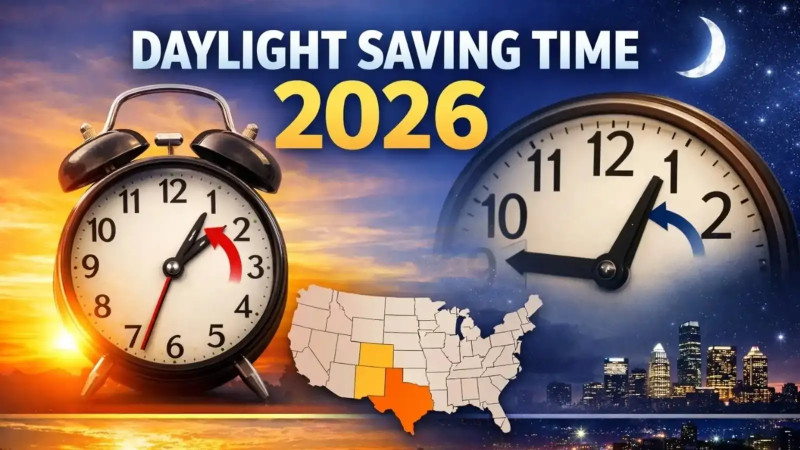
Shifting Gears: Latest on Daylight Saving Time Changes
As the leaves turn and the chill in the air becomes more pronounced, a familiar routine is about to resume. Like the annual migration of birds, the daylight saving time change is upon us. But did the clocks actually fall back last night, or is there more to the story? Let's dive into the latest developments.
Understanding the Fall Back Routine
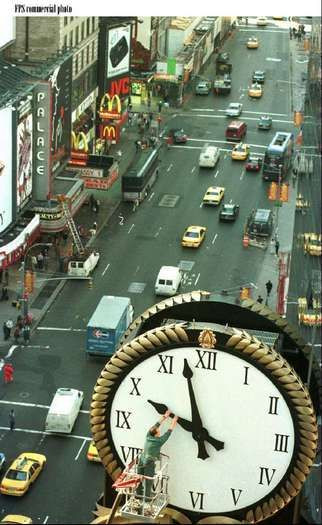
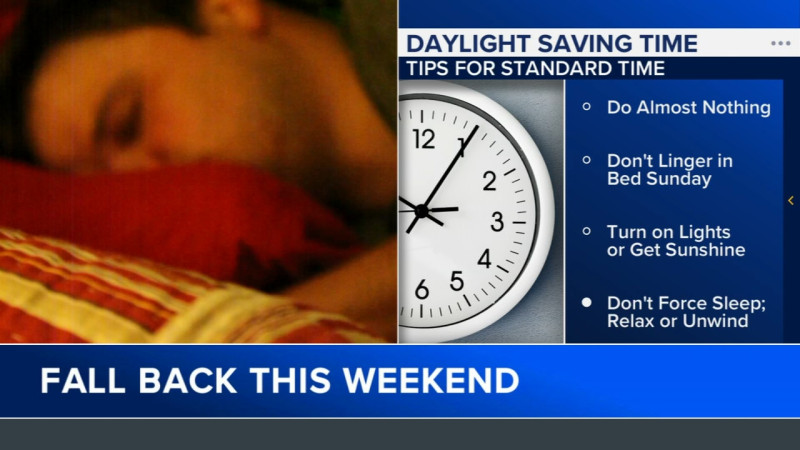
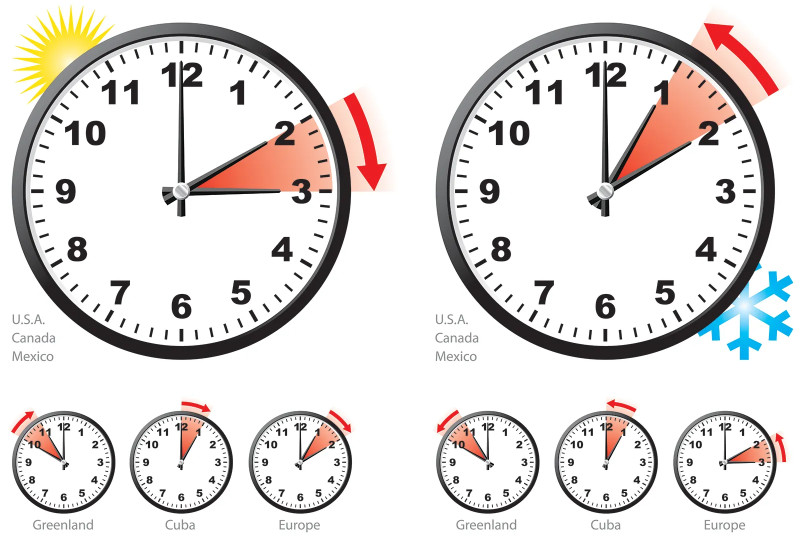
The fall back routine is a tradition that has been in place for decades, designed to provide more daylight during the evening hours. However, the end of daylight saving time in 2026 is particularly notable due to the pending legislation and public sentiment surrounding the practice. Many Americans are now on track to "fall back" within a few weeks, with the exact date of the change expected to be scheduled for early November. This change means that clocks will be set back one hour, providing an extra hour of sleep for millions of people as they transition to standard time. The process of "falling back" is simple: at 2 a.m. on the designated Sunday, clocks will revert to 1 a.m., effectively giving us an extra hour of rest.
The Political Landscape of Daylight Saving Time Changes
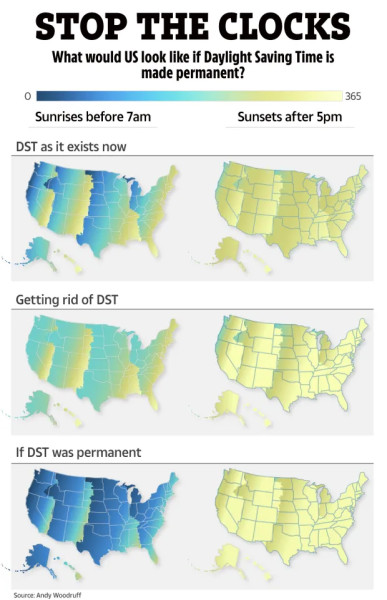
A lot of buzz has been stirred up in recent times around the idea of ending daylight saving time permanently. In Congress, a push to end the practice has stalled, leaving many unsure of what the future holds. The current proposal aims to standardize the time across the nation, potentially eliminating the biannual adjustment altogether. However, this legislation remains uncertain, with recent Senate votes failing to pass the necessary measures. Meanwhile, the public is left to grapple with the annual ritual, adjusting their schedules and calendars accordingly.
The Impact of Daylight Saving Time on Daily Life
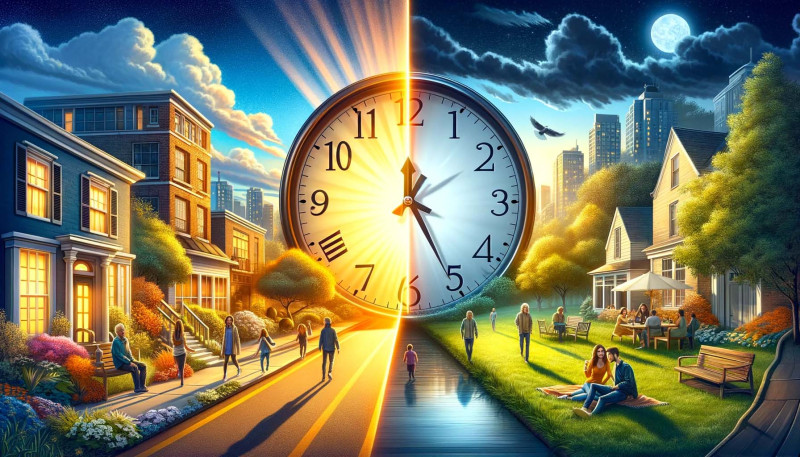
The transition to and from daylight saving time has a significant impact on daily routines. The extra hour of daylight in the evening allows for more outdoor activities and social gatherings, while the shift back to standard time provides a longer morning. However, the change is not without its criticisms. Studies have shown that the abrupt shift in sleep patterns can lead to increased accidents, productivity loss, and even health issues. Despite these concerns, the practice remains a cultural and practical tradition for many.
There's something particularly poignant about the shift in seasons. What if this year, instead of the routine, we find ourselves caught in an eternal autumn, measuring time not by the clock but by the rustling leaves and the chill in the air?
As we fall back in the coming weeks, what implications does this have for our future, and will the tradition of shifting clocks remain a part of our annual calendar?
How does this story make you feel?
 Up next · PoliticsLula Secures Historic Fourth Term in Brazil After Runoff Vote