Did Daylight Saving Time Happen? Unraveling the Recent Time Change
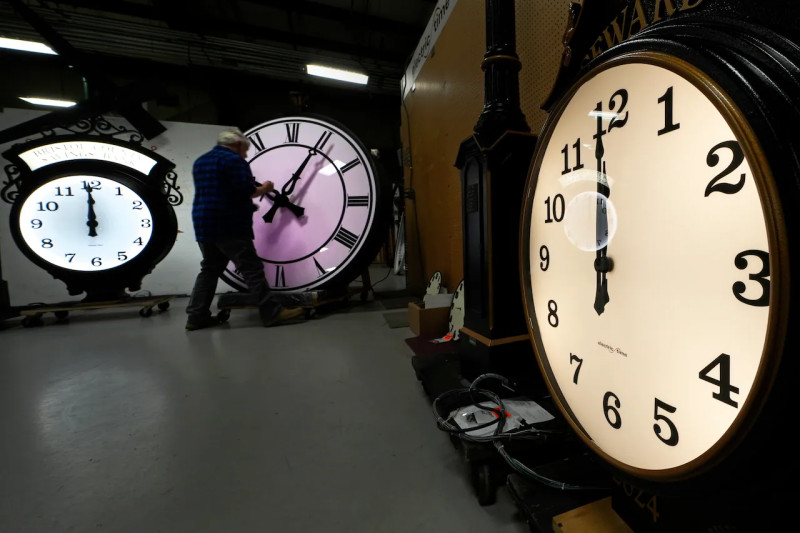
The clock hands ticked away the last seconds of daylight saving time today, plunging the nation into a more conventional framework. The annual ritual of resetting our clocks backwards has just passed, the transition from daylight saving time to standard time has just happened.
The Clock Turns Back: Understanding the Time Change
The recent time change marks the end of daylight saving time, a practice that historically aimed at maximizing daylight hours during the summer months. The shift from daylight saving time to standard time happens every year around this time, but the exact date can vary. This year, however, the clocks "fell back" by one hour.
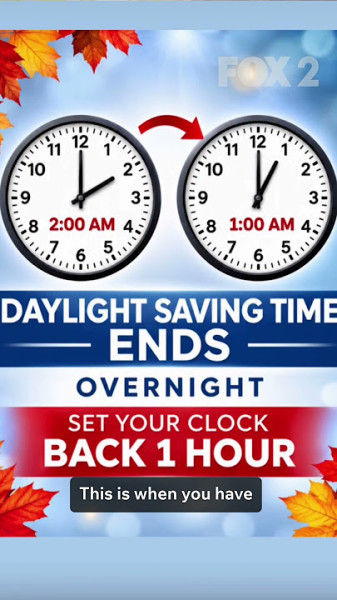
This recent time change signifies the transition from daylight saving time back to standard time. For many Americans, this means an extra hour of sleep, as clocks moved back an hour at 2:00 a.m. local time, allowing for a seamless transition into standard time.
Daylight saving time, also known as summer time in some regions, has been a topic of debate for over a century. The twice-yearly changing of the clocks has been a point of contention, with advocates and opponents arguing over its necessity and effectiveness. The debate around daylight saving time has been fueled by its perceived benefits and drawbacks, with many questioning its relevance in today's society.
Historical Context and Recent Developments
The origins of daylight saving time can be traced back to World War I, when Germany first adopted the practice to conserve coal during wartime. The United States followed suit, implementing daylight saving time as a means to save energy and resources.
The Uniform Time Act of 1966 standardized the practice of daylight saving time in the United States, establishing a uniform set of rules for states opting to observe the time change. The act set the start of daylight saving time on the last Sunday in April and the end on the last Sunday in October, with the time changes taking place at 2:00 a.m. local time.
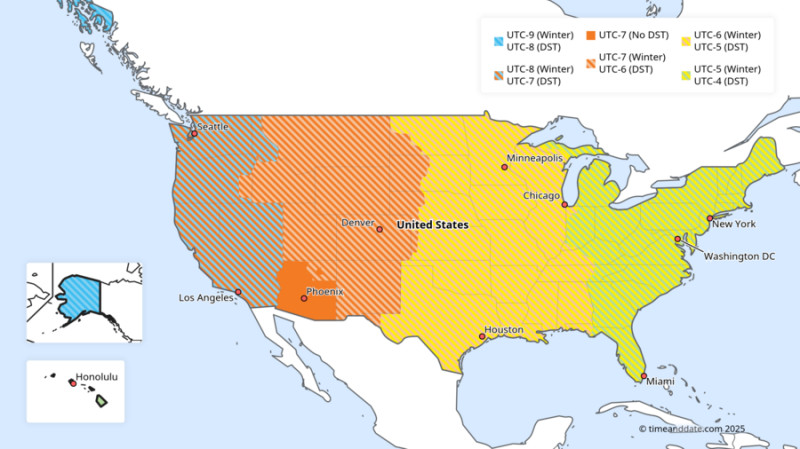
The current system of daylight saving time in the United States begins on the second Sunday in March and ends on the first Sunday in November. However, the recent time change has sparked conversations about whether daylight saving time should be maintained or abolished.
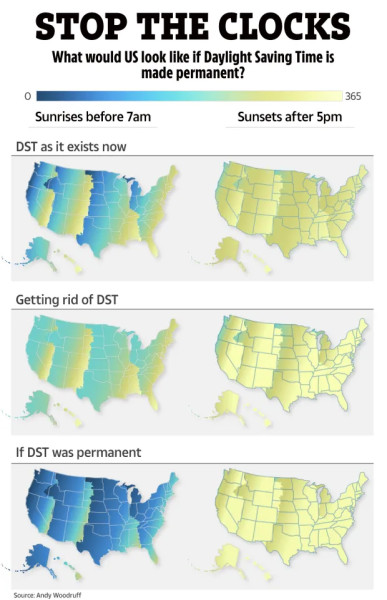
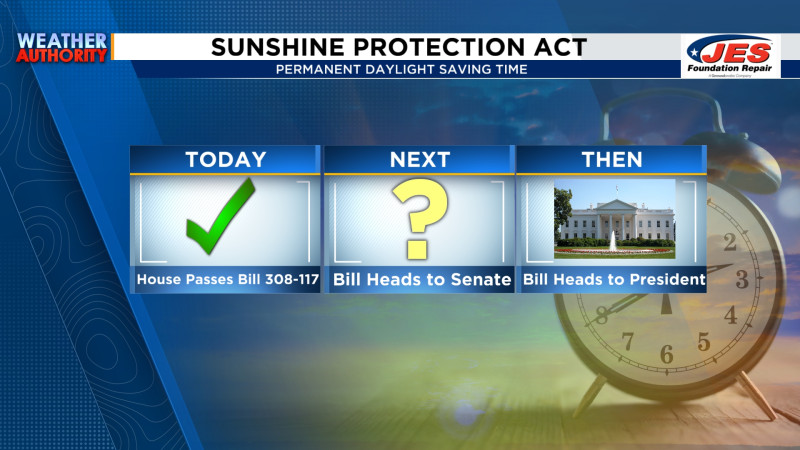
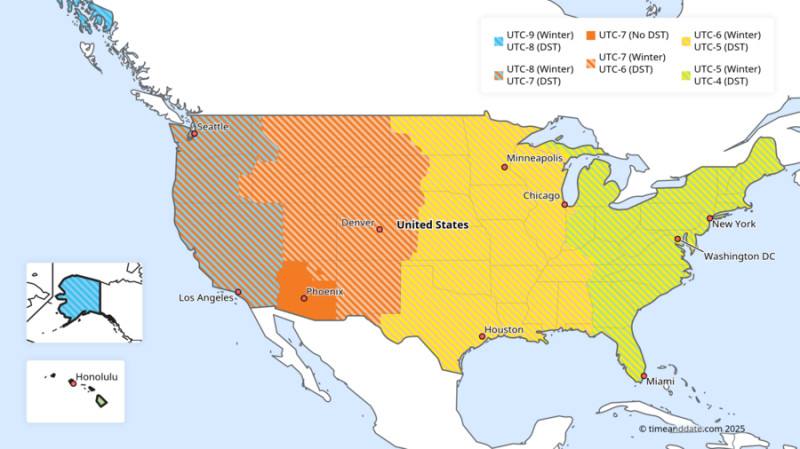
In recent times, proposals have been made to eliminate the time change altogether, citing the disruption it causes to sleep patterns and the potential health risks associated with the shift. The debate around daylight saving time continues, with some states already opting out of the practice or considering changes to their daylight saving time policies.
The Impact and Controversy Surrounding Daylight Saving Time
While the end of daylight saving time brings relief to those who struggle with the time change, it also raises questions about the effectiveness of the practice. The recent time change has sparked renewed interest in the debate surrounding daylight saving time, with many arguing that the twice-yearly shift is unnecessary and harmful.
Supporters of daylight saving time point to its potential benefits, such as increased daylight hours during the evening, which can encourage outdoor activities and reduce energy consumption. However, critics argue that the time change disrupts sleep patterns, increases the risk of accidents, and has little to no impact on energy savings.
The recent time change has also highlighted the potential health risks associated with the shift. Studies have shown that the time change can lead to disruptions in sleep patterns, increased stress levels, and even a higher risk of heart attacks and strokes.
As the debate around daylight saving time continues, it is clear that the practice has both its supporters and detractors. With the recent time change, the conversation around the effectiveness and necessity of daylight saving time has been reignited, prompting a closer look at the practice and its impact on society.
The clocks have just fallen back, but the debate over daylight saving time rages onward. The next shift is yet to be planned, but the impact of the recent time change is already being felt. As we move forward, the question remains: will daylight saving time continue to be a part of our lives, or will it become a relic of the past?
How does this story make you feel?
 Up next · WorldSan Juan Mountains Brace for Heavy Snow and Travel Disruptions