Daylight Saving Time 2026: Prepare for the Annual 'Fall Back' Change

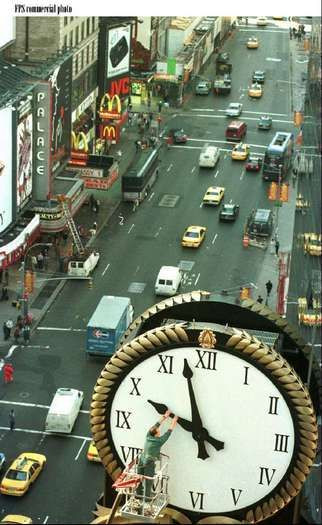
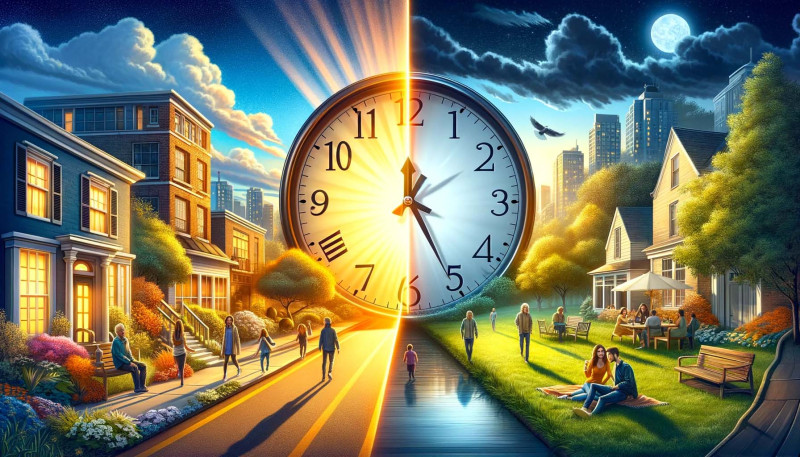
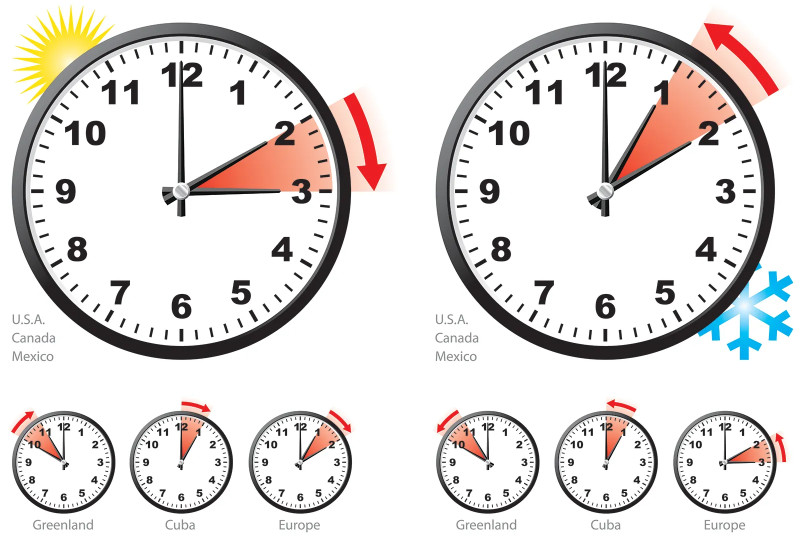
The annual ritual of adjusting clocks is upon us—again. This year, daylight saving time 2026 ends, marking the time when clocks will fall back by an hour, signaling a return to Standard Time. This change, set to occur this weekend, affects millions across the nation as they prepare to "gain" an extra hour of sleep. But there's more to this practice than just adjusting the clocks. Let's dive into what's in store and why this shift continues to be a contentious issue.
What You Need to Know About the Fall 2026 Time Change
The time change for daylight saving time 2026 ends on the first Sunday in November, a date that has been firmly established for decades. This year, the official change happens at 2:00 A.M. local time, meaning clocks will 'fall back' from 2:00 A.M. to 1:00 A.M. This shift allows for an extra hour of sleep, which many people look forward to. However, the shift can also lead to temporary disruptions in sleep patterns and varying reactions from individuals. It's essential to note that not all regions observe this change uniformly; some areas, such as Hawaii and parts of Arizona, do not participate in daylight saving time at all. The data is clear: the transition can impact the body's circadian rhythms, often leaving people feeling groggy and disoriented. The practice has been debated for years, with advocates arguing for its potential benefits in energy conservation and opponents highlighting the negative impacts on health and productivity.
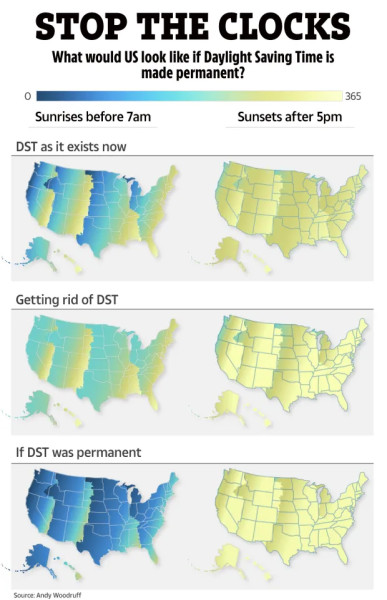
In addition, the shift this weekend has sparked renewed discussions in Congress about permanently eliminating the need to change clocks twice a year. Some lawmakers propose year-round daylight saving time, while others advocate for a permanent switch to standard time, citing the potential for fewer disruptions in daily routines and better health outcomes. However, the push to make daylight saving time permanent has encountered obstacles and delays, leaving the future of the time change uncertain. The debate continues, with advocates on both sides presenting data and arguments in support of their positions.
A Comprehensive Guide to the Daylight Saving Time 2026 End
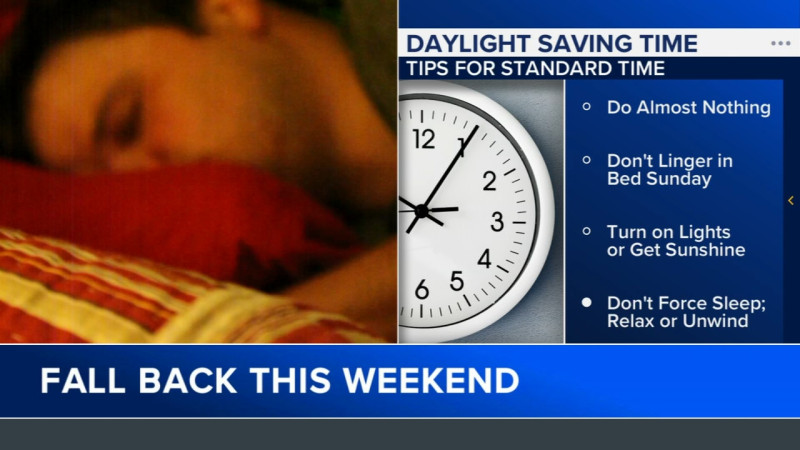
For those in regions that do observe the change, here are some tips to make the transition smoother. First, prepare your electronic devices. Many modern gadgets automatically adjust to the time change, but it's always a good idea to double-check. Secondly, consider gradually adjusting your sleep schedule in the days leading up to the change. Shifting your bedtime by 15 minutes each night can help your body adapt more naturally to the new time. Lastly, be mindful of how the extra hour affects your daily routines. Some people find it helpful to use the additional time for rest or relaxation, while others prefer to maintain their usual schedules.
This year, the end of daylight saving time 2026 serves as a reminder of the broader conversation about the efficiency and necessity of this practice. It's clear that the time change has far-reaching implications, from energy conservation to public health. The debate is far from settled, with new proposals and counterarguments emerging regularly.
Some experts argue that the potential benefits of daylight saving time are overstated and that the disruption caused by the bi-annual time change outweighs any advantages. For example, a study published in the journal "Sleep" found that the transition to and from daylight saving time is associated with an increased risk of heart attacks and strokes. The study suggests that the disruption to sleep patterns and circadian rhythms can have serious health consequences, particularly for older adults and those with existing health conditions.
Let's not kid ourselves, the debate surrounding daylight saving time continues to be contentious. While the practice has its proponents, the data is damning when it comes to the adverse effects on sleep and overall health. The recurring disruptions from changing the clocks twice a year are a source of frustration for many, and it's clear that the current system has flaws. It will take clear and decisive action to address the flaws and ensure that the time change is as seamless as possible for everyone. As we prepare to "fall back," let's remember that the conversation about the future of daylight saving time is far from over. Yet, the history of timekeeping shows us that nothing is permanent. Take, for example, the shift from the Julian calendar to the Gregorian calendar in the 16th century, a change that took centuries to fully implement across Europe. Just like the time change, it was a move that aimed to synchronize daily life with natural rhythms, but it was met with resistance and confusion. So, while we adjust our clocks this weekend, let's also consider whether it's time for a more permanent solution to the age-old debate over timekeeping.
How does this story make you feel?
 Up next · WorldIntense Manhunt Underway for Escaped Inmate Jacob Morley