Did We Gain or Lose an Hour? Understanding the Recent Time Change
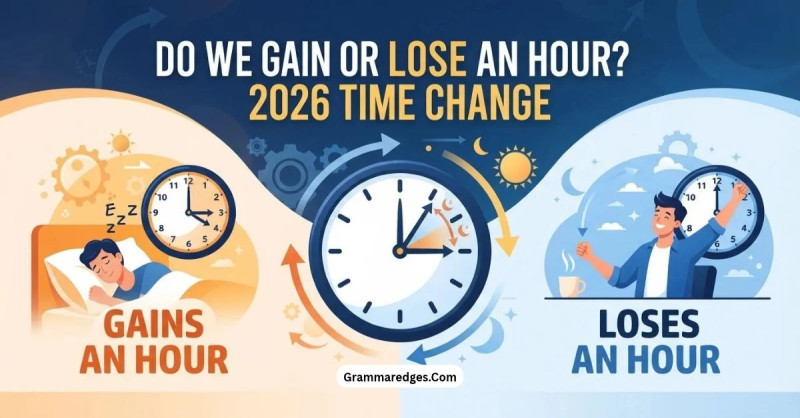
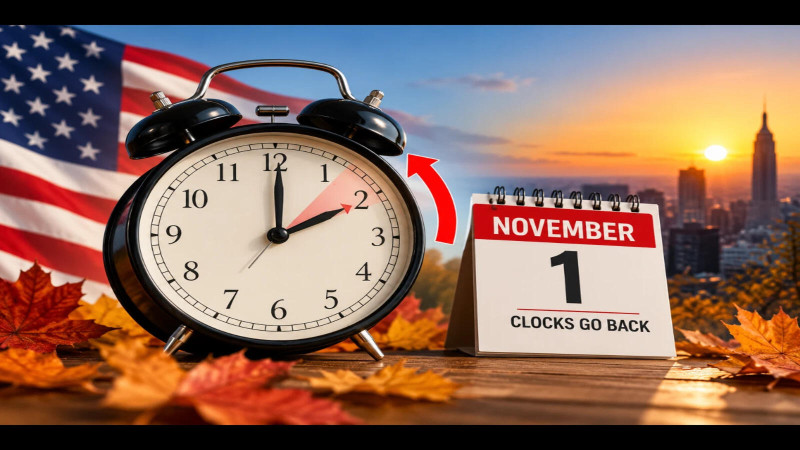
In the quiet of a Sunday early morning, clocks across the United States ticked back, giving millions of Americans an extra hour of sleep. This annual ritual, often met with a mix of relief and confusion, marks the end of Daylight Saving Time (DST) and the return to Standard Time. The question on everyone's mind this morning is clear: did we gain or lose an hour?
The Recent Transition from Daylight Saving Time to Standard Time
The transition from Daylight Saving Time to Standard Time occurred recently, leaving many to wonder about the precisely how the change affects their daily routines. According to available reports, clocks across the United States were set back at 2:00 a.m. on a Sunday morning, marking the end of DST for the year. This shift means that most Americans enjoyed an extra hour of sleep as their clocks moved from 2:00 a.m. to 1:00 a.m. during this adjustment. The periodic shift back to Standard Time has been a topic of debate for many years, with some advocating for its elimination altogether. This legislative battle underscores the complexity of the issue, with arguments ranging from energy conservation to health and safety concerns.
What Happens When Daylight Saving Time Ends?
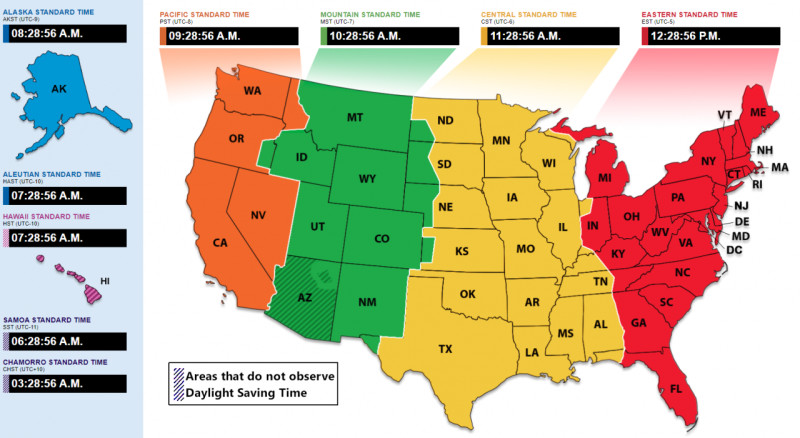
When the clocks are turned back, the immediate effects are noticeable. Mornings become brighter, and sunrises occur earlier, while evenings start to darken sooner. This change has both advantages and disadvantages. On the positive side, brighter mornings can improve safety for commuters and children heading to school. However, the earlier onset of darkness in the evenings can impact evening activities and potentially affect mood and productivity. For those living in states that do not observe Daylight Saving Time, such as Hawaii and most of Arizona, the transition has no impact. These regions remain on Standard Time year-round, avoiding the twice-yearly clock changes entirely. The decision by some states to opt out of DST highlights the regional differences in how time changes are perceived and managed.
The Impact on Daily Life and Future Considerations
As the debate over the future of Daylight Saving Time continues, many are calling for a more permanent solution. However, opponents point out that permanent Daylight Saving Time could lead to issues such as increased energy consumption and potential health risks, particularly for those who work early morning shifts. The decision to keep or eliminate Daylight Saving Time remains a contentious issue, with both sides presenting compelling arguments. For now, Americans are adjusting to the new routine, with an extra hour of sleep and brighter mornings. The recent transition from Daylight Saving Time to Standard Time serves as a reminder of the complexities involved in managing time and the ongoing debate over the best approach for our society.
How does this story make you feel?
 Up next · EntertainmentJensen Ackles Returns to 'Tracker' Season 4: A New Chapter Unfolds