2026 Time Change: Americans Turn Clocks Back on Sunday
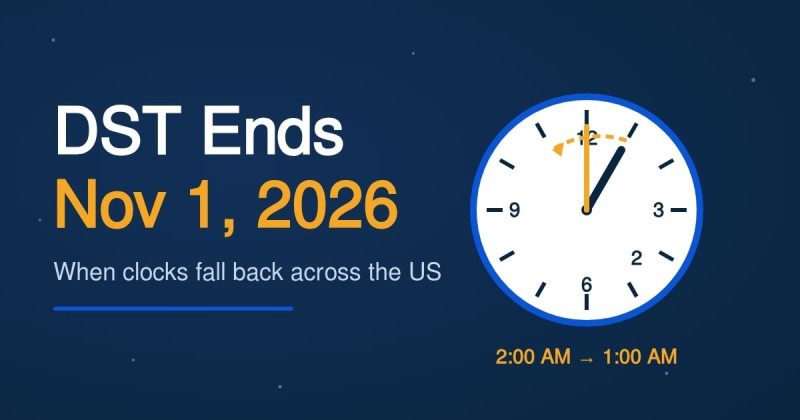
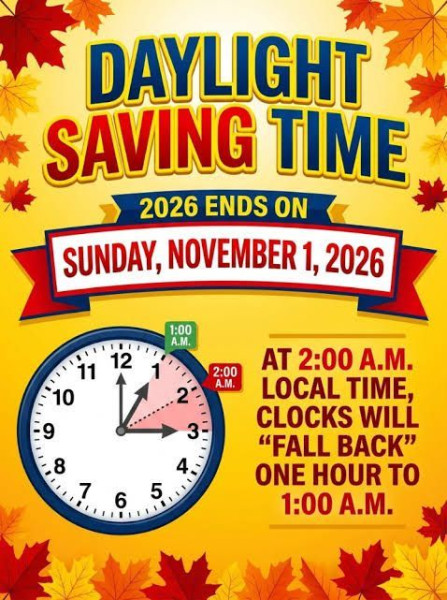
On Sunday, November 1, 2026, U.S. clocks were set back one hour to end daylight saving time, giving people an extra hour of sleep while darkening early mornings.
Key points
- Clocks fell back early Sunday morning, November 1, 2026.
- The change gave Americans an extra hour of sleep.
- The Sunshine Protection Act, still pending, could end future time changes.
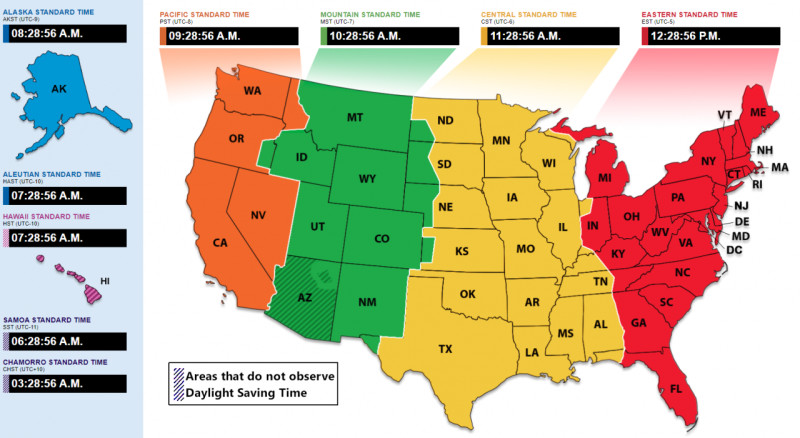
- Hawaii and most of Arizona do not observe daylight saving time.
- The shift marks the start of standard time for the country.
The time change of 2026 has arrived, slicing through the night like a spectral scythe, stealing an hour from the light of day and granting it back to the realms of slumber. The fall 2026 time change, an annual ritual that sees Americans turning their clocks back, has left many wondering whether we gained or lost an hour and what exactly did the time change last night mean.
The 2026 Daylight Saving Time Transition
The time change is a dance with the clock, a tradition as American as apple pie, and it has come to pass once again. The time change occurred as scheduled, with clocks falling back early Sunday morning, November 1, 2026. What did we gain or lose an hour you ask? The answer is as comforting as the extra hour of sleep: you gained an hour.
This annual shift from daylight saving time to standard time is a rite of passage, a moment when the nation collectively did the time change last night, turning back the clocks to mark the end of daylight saving and the beginning of standard time. This change is a result of the Sunshine Protection Act, which has yet to pass the Senate and is the latest wrinkle in the ongoing debate over this twice-yearly ritual.
Navigating the 2026 Daylight Saving Time Impact
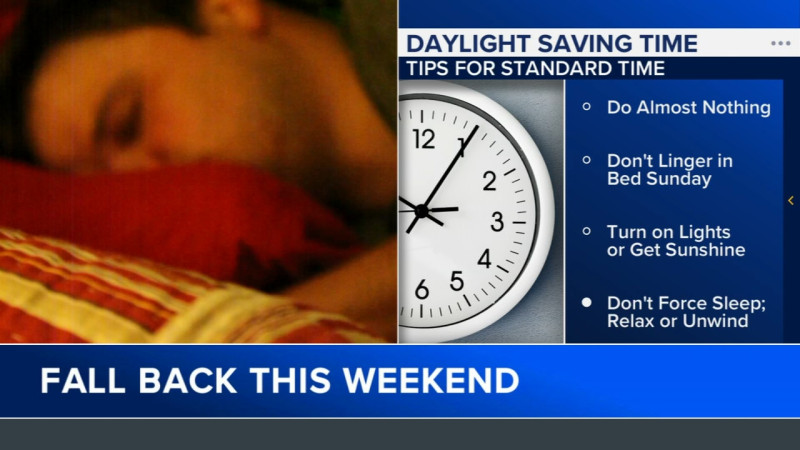
Our daily rhythms are tethered to the clock. The time change throws a wrench into the works, disrupting the delicate balance. What does this mean for your daily life? The early sunset, while causing some to lament, might lead to a more harmonious evening routine. However, the darker mornings might disrupt those who prefer an early start.
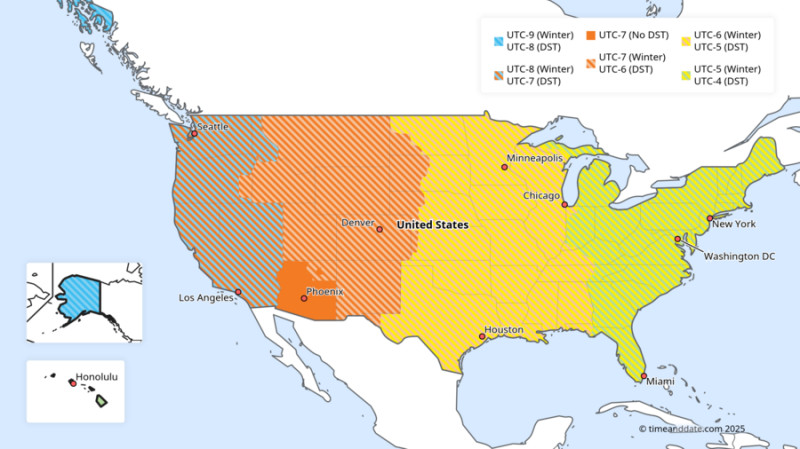
The time change is an opportunity to reflect on our relationship with time itself. For those living in Hawaii and most of Arizona, time change is a foreign concept. These states have opted out of daylight saving time entirely, remaining steadfast in their commitment to standard time year-round.
Clocks falling back marks a shift in the seasons. The extra hour of sleep is a gift, a moment to recharge and reflect. However, the darker mornings might disrupt those who prefer an early start.
The 2026 Daylight Saving Time Shift and the Future of Time Change
As we navigate this latest shift in daylight saving time, it is essential to remember that this is not a static issue. The Sunshine Protection Act is a pending bill that, if passed, could make this the last time change for many Americans.
And so, the dance continues. The clock ticks on, and we, the people, adapt to the rhythm. The time change has, once again, come and gone, leaving in its wake a world slightly altered, a world where the evening is a touch brighter, and the morning a touch darker.
The time change is the pendulum that swings between light and dark, a reminder of the inevitable march of time.
This year, the time change is more than a clock adjustment; it's a chance to see if standard time will stick around, or if daylight saving time will make a comeback.
So, one day, a parent will ask, "What did the time change last night mean for us?"
Your questions, answered
When did the 2026 time change occur?
The 2026 time change took place on Sunday, November 1, 2026, when clocks were set back one hour.
What is the Sunshine Protection Act?
The Sunshine Protection Act is a pending bill that could make the 2026 time change the last for many Americans.
How does this story make you feel?
Topics
 Up next · PoliticsElection Day 2026: What You Need to Know Right Now