Israel’s 2026 election: a tight race for the Knesset
Israel awaits final 2026 legislative results as Netanyahu’s bloc and Gadi Eisenkot’s opposition split the 120‑seat Knesset, leaving coalition talks uncertain.

Key points
- The 2026 elections are the first full four‑year term without early dissolution since 1988.
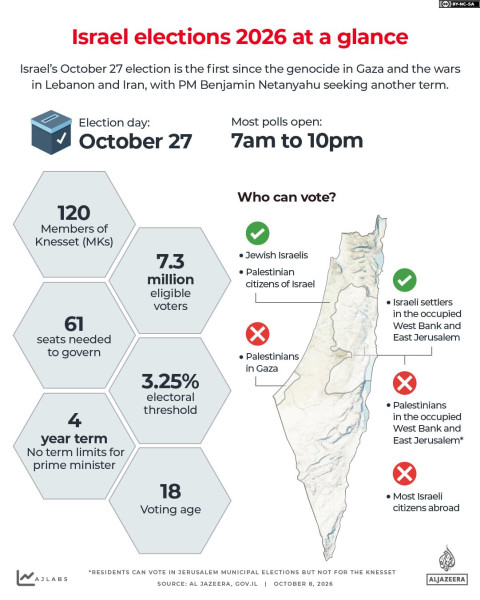
- No bloc has reached the 61 seats needed for a governing majority.
- Netanyahu’s coalition is opposed to partnering with Arab parties, calling it “shameful.”
- Exit polls show a near‑even split between Netanyahu’s alliance and Eisenkot’s opposition.
- Analysts predict a complex web of alliances will be required to form a government.
Israel's political landscape is once again in a state of high anticipation as the nation awaits the final results of the 2026 legislative elections. These elections, held recently, have set the stage for a battle between long-standing political leaders and a new wave of contenders. The election’s outcome will decide the composition of the 26th Knesset, the 120-member parliament, and the governing coalition that will succeed the 37th government led by Prime Minister Benjamin Netanyahu. Here’s the latest breakdown:
The Race for the Knesset
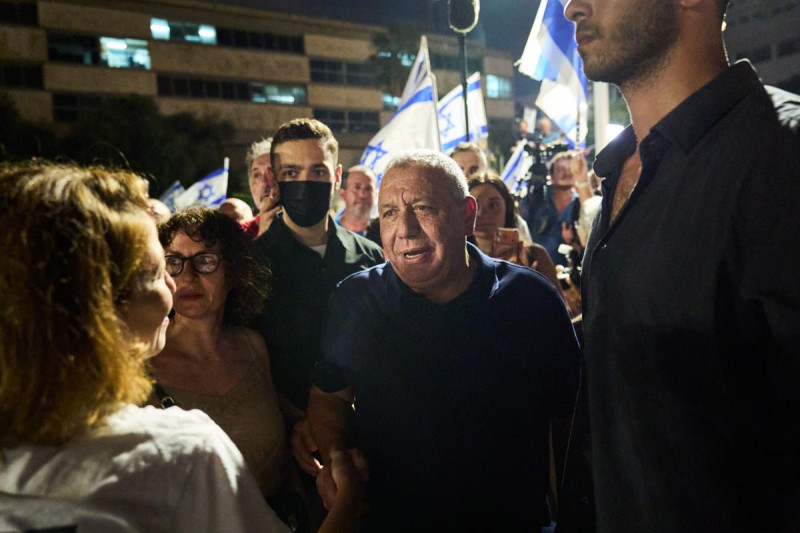
The 2026 elections are significant as they mark the first time an Israeli legislature has completed a full four-year term without early dissolution since 1988. This political stability, albeit fragile, has been a point of discussion among analysts who are now closely monitoring the seat counts by party. The live results have shown a tight race, with no single bloc securing a clear majority. The election has been a battle of two main political blocs: Prime Minister Benjamin Netanyahu's alliance and the opposition bloc led by Gadi Eisenkot. Exit polls and early results indicate a split with neither bloc near the 61 seats required to form a governing majority. This has led to speculation about potential coalitions and alliances that could sway the balance of power.
Netanyahu's Fight for Political Survival
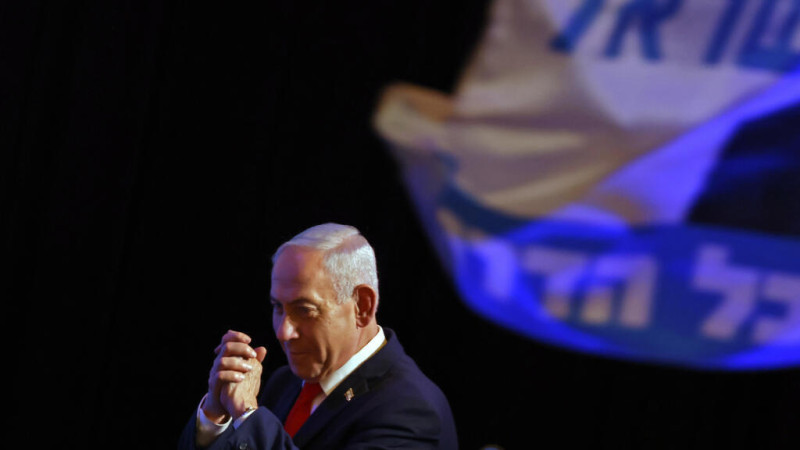
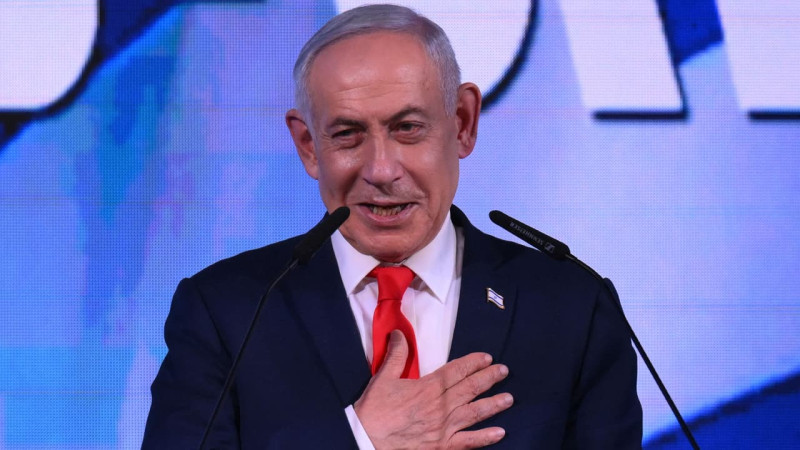
As the dust settles from the election, Israeli voters have been grappling with the implications of the results. Benjamin Netanyahu, who has been a dominant figure in Israeli politics for decades, is fighting for his political survival. Netanyahu has been vocal about his stance on coalition-building, particularly with Arab parties, labeling it as "shameful." This stance adds another layer of complexity to the already intricate process of forming a government. The political stalemate is reminiscent of previous elections, where no clear winner emerged, setting off weeks of negotiations before a leader is declared.
A Complex Web of Alliances
The outcome of these elections is expected to be a complex web of alliances. The exit polls and the count for Israel's 2026 election have shown a split with neither bloc near the majority. This has led to speculation about potential coalitions and alliances that could sway the balance of power. The political landscape remains uncertain as various parties jockey for position, seeking to form a majority coalition.
“The results are a clear indication that Israeli voters are divided, and the political parties will have to work hard to form a stable government,” said an analyst from The Jerusalem Post.
The uncertainty surrounding the election results has left many Israelis wondering what the future holds for their country. As the political parties begin the arduous process of forming a coalition, the nation waits with bated breath to see who will emerge as the next leader. One thing is clear: the race for the Knesset is far from over, and the next few weeks will be crucial in determining the political landscape of Israel. Will Netanyahu retain his grip on power, or will a new leader emerge from the shadows? Only time will tell. The stakes are high, and the decisions made in the coming days will shape the future of Israel for years to come.
Your questions, answered
Who is leading the opposition bloc in Israel’s 2026 election?
The opposition bloc is led by Gadi Eisenkot.
What is the seat threshold for a governing majority in the Knesset?
A majority requires 61 of the 120 seats.
Quick poll
Which side will likely form Israel’s next government?
0 votes
How does this story make you feel?
Topics
 Up next · PoliticsPrime Minister Benjamin Netanyahu faces political uncertainty as Israeli election results remain inconclusive