Netanyahu's Election Night: A Mixed Bag
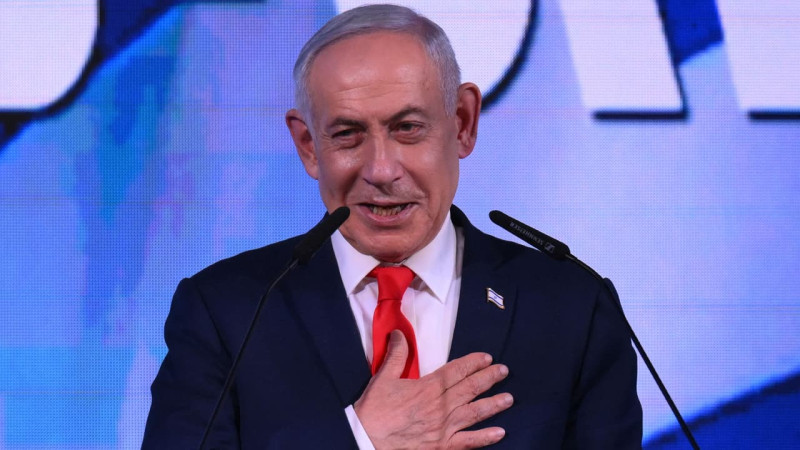
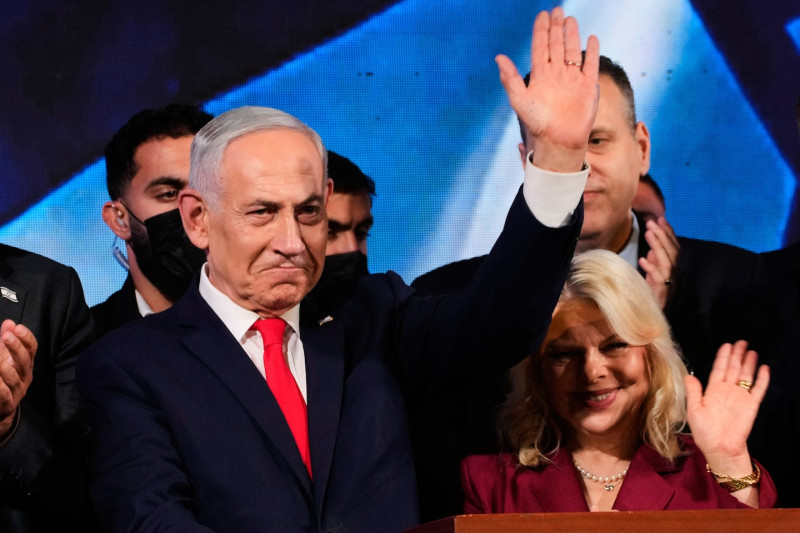
In a vote that was widely seen as a referendum on Benjamin Netanyahu's leadership, the Israeli elections have delivered a mixed verdict. The 2026 Israeli elections have left many questions unanswered, with a complex political landscape emerging from the exit polls. Look, Netanyahu's bloc has secured 53 seats, but the opposition isn't far behind. The story here is that Netanyahu's Likud party, despite winning the most votes, has seen a significant erosion of support as his traditionally strong coalition has diminished.
Netanyahu's Bloc: A Shrinking Empire
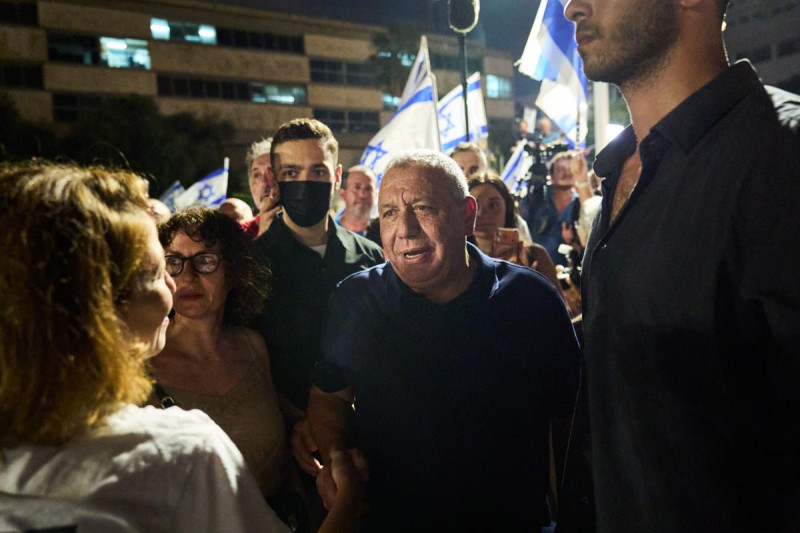
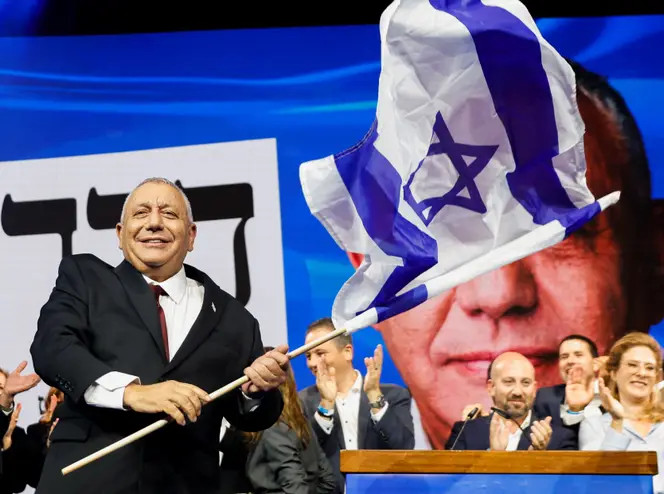
The primary focus in the latest Israeli elections has been on the performance of Benjamin Netanyahu's bloc and the overall impact of his political dominance. Netanyahu's bloc, consisting of several right-wing and religious parties, has managed to secure 53 seats in the Knesset. However, the opposition bloc, led by former military chief Gadi Eisenkot, has made a strong showing with 48 seats. And get this — despite leading in seats, Netanyahu's bloc has actually lost seats compared to the previous election. You might be wondering, how did this happen?
Well, here's the thing: the Arab parties have skyrocketed in support, capturing a significant portion of the vote. This shift indicates a growing political awareness and engagement among Israeli Arabs, who make up about 25% of the population. It also suggests that Netanyahu's traditional stronghold is weakening, and the opposition is gaining ground. Sound familiar? This political landscape is reminiscent of the ongoing debates over Netanyahu's leadership. Israel's current political climate is dominated by the legacy of Netanyahu's long tenure, which is now being challenged by a more diverse and dynamic political scene.
Exit Polls: No Clear Winner, But a Clear Message
The exit polls in the 2026 Israeli elections have painted a picture of a closely divided nation. While Netanyahu's bloc has secured the most seats, the opposition bloc has made significant gains, indicating a growing discontent with Netanyahu's leadership. One of the most striking aspects of these exit polls is the sharp rebuke delivered to Netanyahu's far-right and religious governing coalition. The voters have spoken, and they are clearly seeking change.
This election has been seen as a referendum on Netanyahu's dominance, especially in the aftermath of the Hamas attack in 2023 and the subsequent wars in Gaza, Lebanon, and Iran. The political landscape is complex, with different factions vying for power, but one thing is clear: Netanyahu's grip on power is weakening. But here is the thing: despite the rebuke, the exit polls suggest that neither Netanyahu nor Eisenkot has enough seats to form a majority government on their own. The country is now on the brink of coalition negotiations, which are expected to be intense and possibly protracted.
The upcoming coalition negotiations will be crucial in determining the future of Israeli politics. The Israeli election 2026 has been marked by a high level of uncertainty and complexity, with both Netanyahu and Eisenkot falling short of the majority needed to form a government. This situation could lead to a prolonged period of political instability, as parties jockey for position and negotiate alliances. It's a crucial moment for Israeli politics, and the outcome will have significant implications for the country's future direction.
Benjamin Netanyahu, the veteran Israeli politician, has been a figure of controversy and admiration for decades. Known for his charismatic leadership and controversial policies, Netanyahu has been a dominant force in Israeli politics. However, the recent election results indicate a shift in voter sentiment, with many looking for a change in leadership. But Netanyahu is not one to back down easily. His political career has been marked by resilience and a willingness to fight for power, and this election is no different.
As the political landscape in Israel continues to evolve, one thing is clear: the 2026 elections have been a wake-up call for Netanyahu and his supporters. The exit polls and the initial election results show a country deeply divided, with a growing demand for change. The future of Israeli politics is uncertain, but one thing is for sure: the rebuke delivered to Netanyahu and his coalition will have lasting implications for the country's political future, and the upcoming coalition negotiations will play a critical role in shaping the future of Israeli governance.
"Netanyahu's bloc may have won the most seats, but the message from the voters is clear: they want change. The next few weeks will be crucial as parties negotiate alliances and form a new government." — Political Analyst
How does this story make you feel?
 Up next · PoliticsJames O'Keefe and Cam Higby's Voter Fraud Stunt: A Blunder with Serious Consequences