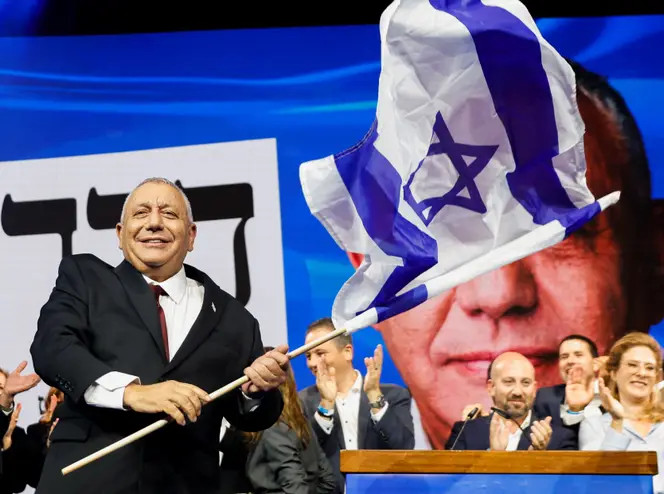
Netanyahu Faces Strong Challenge from Former IDF Chief Eisenkot
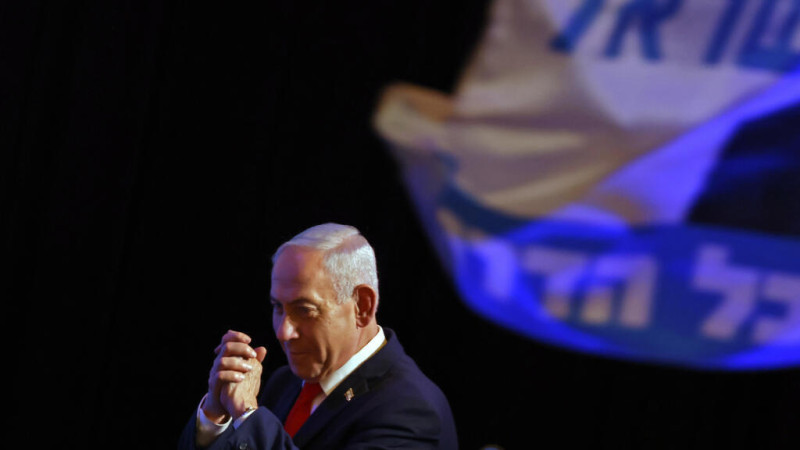
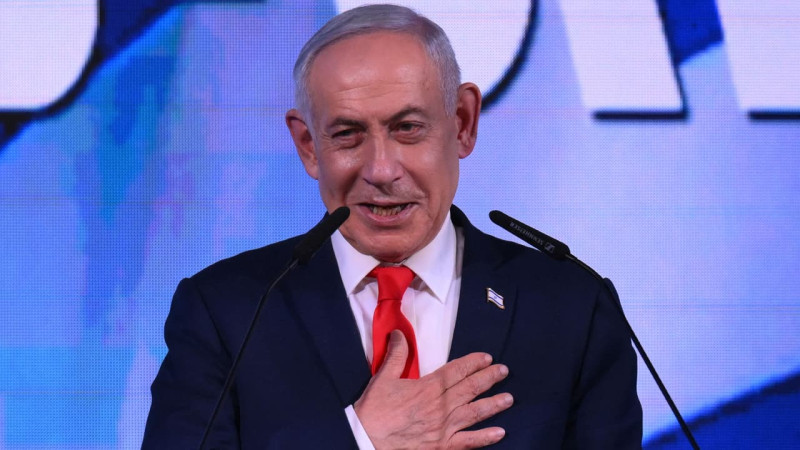
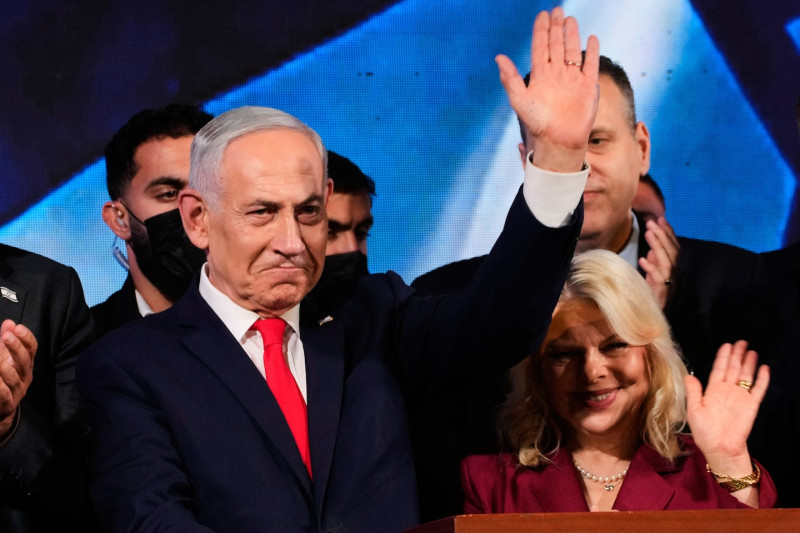
Prime Minister Benjamin Netanyahu is up against former IDF chief Gadi Eisenkot in a tight Israeli election that could reshape the nation’s security and coalition politics.
Key points
- Netanyahu faces a tough contest from Gadi Eisenkot, a former IDF chief and Yashar party leader.
- Eisenkot emphasizes hard measures against Iran and stronger control in Gaza.
- The election will likely require coalition negotiations to decide who leads Israel.
- Both leaders claim to prioritize Israel’s security while addressing internal divisions.
- Public sentiment is split, with supporters praising Netanyahu’s experience and critics backing Eisenkot’s fresh approach.
In the heart of Israel, the political landscape is charged with anticipation as the nation stands on the precipice of a pivotal election. Prime Minister Benjamin Netanyahu, a towering figure in Israeli politics, faces a formidable challenge from former IDF Chief of Staff Gadi Eisenkot, who has emerged as a formidable opponent in the race for the premiership. With the election slated for this weekend, the atmosphere is electric, and the stakes are higher than ever. "I've never seen such a fierce battle before," says Yael Cohen, a local resident watching election posters and debates on the streets. "The future of our country is at stake."
Netanyahu's Legacy and Criticism: A Divided Nation
The political scenario in Israel is complex. Netanyahu, known for his strong leadership and diplomatic prowess, has also drawn significant criticism for his government's handling of recent security issues. Despite facing allegations of mishandling security matters, Netanyahu maintains a strong base of supporters who applaud his decision-making and resolve, especially in challenging times. The October 7 attacks, which resulted in devastating losses, have sharpened the focus on his leadership and the nation's security policies.
Netanyahu's tenure, which has spanned several years, has been marked by both accolades and controversies. His supporters laud his efforts in keeping Israel secure and his strong stance on international relations, but critics argue that his recent policies have been too lenient and have compromised the nation's security. The opposition leader, Gadi Eisenkot, has capitalized on this sentiment, positioning himself as a fresh alternative who can bring about the necessary changes. "I believe in a strong Israel, but also in a just and secure one," says Eisenkot. "We need new leadership to address the challenges we face." Eisenkot's platform emphasizes tough measures against Iran and continued security control in Gaza, positioning him as a formidable contender. Netanyahu, on the other hand, has been critiqued for not being radical enough in his approach to security.
Eisenkot's Rise: A Fresh Face in Israeli Politics
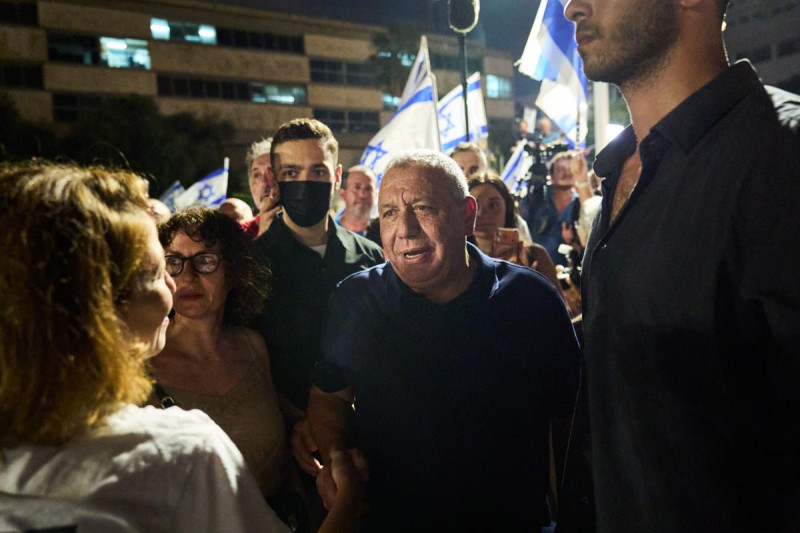
Gadi Eisenkot, a decorated former Israeli army chief, has emerged as a leading challenger to Netanyahu's reign. His military background and personal losses during the October 7 attacks have earned him sympathy and respect within the nation. Eisenkot's platform, which includes a strong stance on national security, has garnered significant support from diverse factions within the Israeli political landscape. His party, Yashar, has been gaining momentum in recent polls, with some suggesting it could win as many as 25 seats in the Knesset, surpassing Netanyahu's Likud.
"I understand the pain of our people," Eisenkot says in a recent interview. "I've felt it myself, and I know what it takes to lead us out of this darkness." Eisenkot's ability to unite different factions under a common cause has been a significant factor in his rise to power. His party stands for a more cohesive and united Israel, a message that resonates with many voters. "I see a future where we can all stand together, regardless of our differences," he says. "That's the Israel I want to lead."
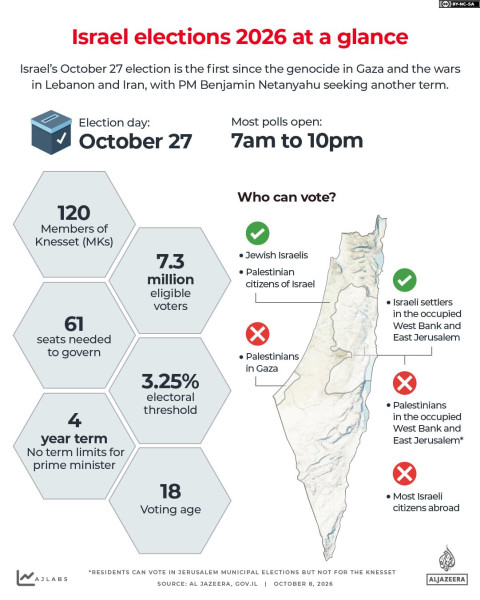
The Battle for 61 Seats: A Coalition in the Making
The upcoming election is expected to be a close call, with neither side projected to secure a clear majority. Coalition talks are expected to play a crucial role in determining the outcome, as both sides scramble to form alliances that could give them the edge. Netanyahu, with his extensive political experience, is no stranger to the complexities of coalition politics. His ability to navigate these waters will be crucial in his bid to retain power.
Eisenkot, however, is not without his own strengths. His military background and strong stance on security have positioned him as a potential unifier, especially in the face of growing internal divisions within Israel. "I believe in a strong Israel, but also in a just and secure one," says Eisenkot. "We need new leadership to address the challenges we face." His ability to unite different factions under a common cause has been a significant factor in his rise to power. His party stands for a more cohesive and united Israel, a message that resonates with many voters.
"I see a future where we can all stand together, regardless of our differences," he says. "That's the Israel I want to lead."
"The future of our country is at stake, and every vote counts. It's time for a change, for a leader who can unite us and lead us out of this crisis." - Yael Cohen, a local resident.
Your questions, answered
Who is challenging Netanyahu in the upcoming Israeli election?
Former IDF chief Gadi Eisenkot, head of the Yashar party, is challenging Netanyahu for the premiership.
What are Eisenkot’s main security priorities?
Eisenkot stresses tough measures against Iran and continued security control in Gaza.
Quick poll
Which candidate do you think will better secure Israel’s future?
0 votes
How does this story make you feel?
Topics
 Up next · PoliticsLula wins historic fourth term in Brazil after runoff