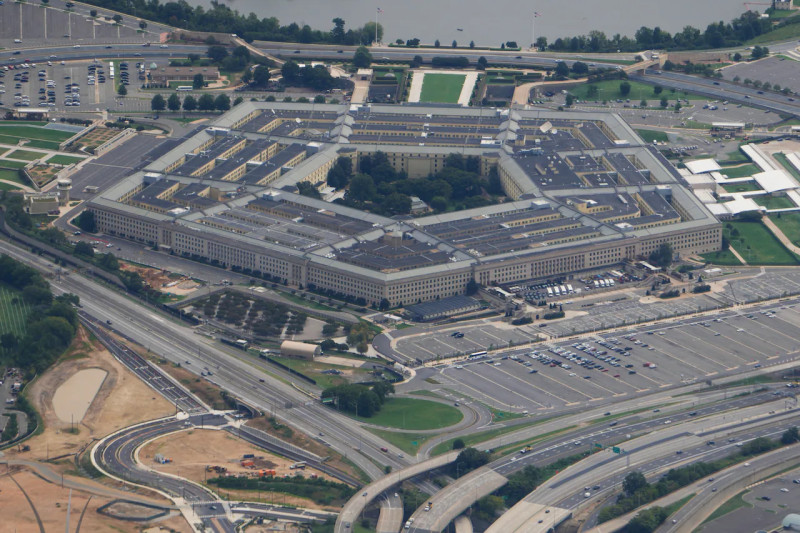
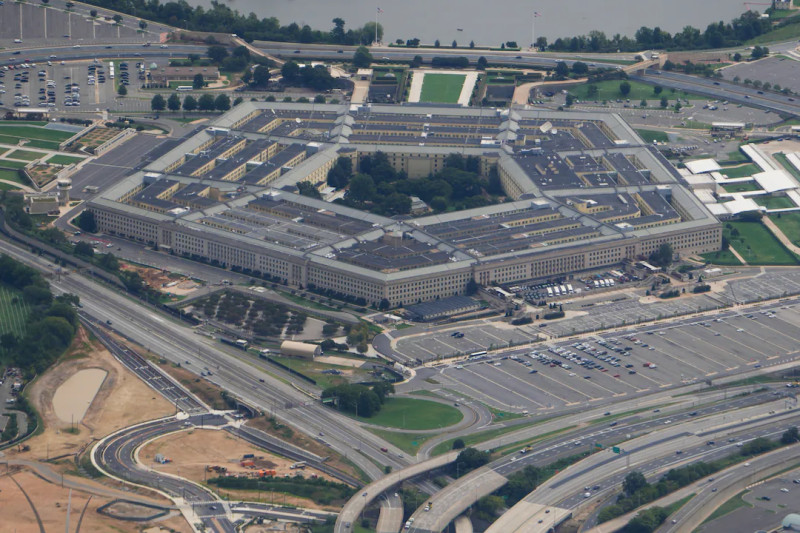
Pentagon's FORTRESS America: The Doomsday Plan for 90-Day Bases
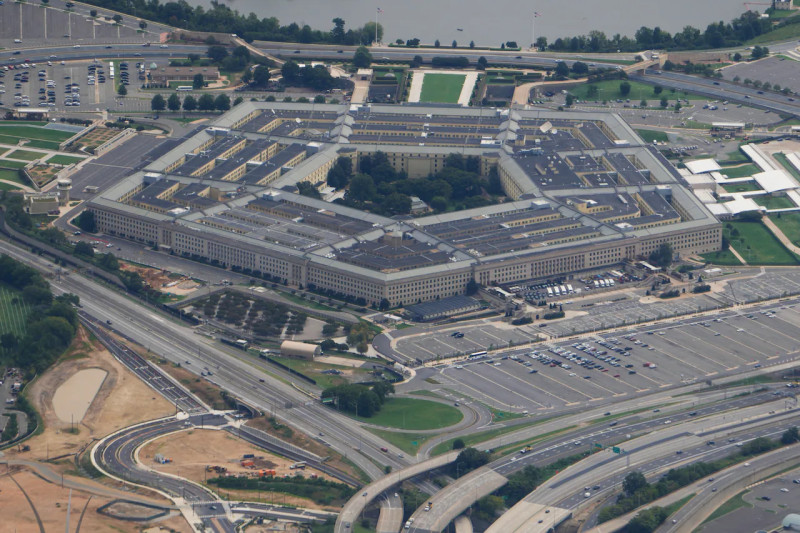
Big news out of the Pentagon: the U.S. Department of Defense has rolled out an ambitious new initiative to fortify our military bases, ensuring they can operate independently for 90 days during a major conflict. This plan, dubbed FORTRESS America, is a high-stakes strategy to keep essential services running in the event of a global catastrophe, cyberattacks, or other catastrophic events that might cripple civilian infrastructure.
The FORTRESS Initiative: A 90-Day Independence for U.S. Bases
So, what does this Fortress America initiative entail? The Pentagon is mandating that every major military installation in the continental United States must be able to maintain essential operations—including electricity, water, fuel, and communications—for at least 90 days without any external support. Think of it as a massive, strategic reserve plan to ensure our military can keep fighting, no matter what.
To achieve this, the Pentagon is looking at an array of cutting-edge solutions, including portable nuclear reactors and microgrids. Imagine each base having its own power source and fuel reserves, isolated from the civilian power grid. This isn't just about keeping the lights on; it's about ensuring that our bases can remain operational and resilient in the face of any crisis.
Why 90 days, you ask? It’s a strategic timeline that balances preparedness with practicality. The Pentagon believes that 90 days is a critical window during which the military must remain self-sufficient. Beyond that, they hope to have restored civilian infrastructure and supply chains.
FORTRESS America: The Doomsday Plan for U.S. Military Bases
The term "doomsday plan" is a bit dramatic, but it captures the essence of what the Pentagon is trying to achieve. This initiative is designed to keep America's military fighting capability intact, even if the worst happens. The plan includes not just energy solutions, but also strategic reserves of munitions and fuel.
To put it into perspective, consider the potential scenarios: a global war, a series of coordinated cyberattacks, or even a natural disaster that wipes out civilian infrastructure. In all these cases, the Pentagon wants our military bases to be prepared for the long haul. Think of it as a massive insurance policy against catastrophe.
And here's the thing: this isn't just about having enough power or fuel. The Pentagon is also looking at water purification systems, food reserves, and other logistical challenges. The goal is to create a self-sustaining ecosystem within each base, capable of withstanding any external disruption.
FORTRESS America: The 90-Day Power Outage Plan
The FORTRESS initiative came as a surprise to many, but it aligns with the Pentagon’s long-term strategy of reducing dependence on civilian infrastructure. By ensuring that bases can operate independently for 90 days, the Pentagon is effectively building a shield around our military’s operational capabilities. This initiative is more than just a contingency plan; it’s a testament to the Pentagon's commitment to national security.
Here's a sobering thought: imagine if a major war or cyberattack cut off power and supply chains. Without this initiative, our bases would be vulnerable, and our military's ability to respond would be severely compromised.
This initiative is a bold move, and it’s clear that the Pentagon is serious about safeguarding our military’s future. By preemptively addressing potential threats, the Pentagon is ensuring that our military remains a formidable force, ready to face any challenge. The Pentagon’s Fortress America initiative sends a clear message: we’re not just preparing for the future; we’re building a fortress that can withstand the worst.
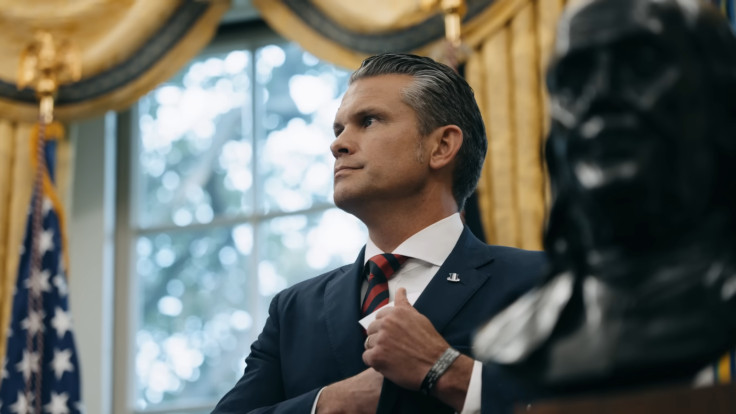
“The goal of this initiative is to ensure that our military can operate independently for at least 90 days, regardless of external circumstances. It's a proactive measure to safeguard our national security in the face of potential crises.” — Defense Secretary Pete Hegseth.
How does this story make you feel?
 Up next · WorldThe Brewers' Recent World Series Run: A Tense and Gritty Challenge