Pentagon plans 90‑day self‑sustaining bases under Operation Fortress
The Pentagon announced Operation Fortress, requiring every major U.S. military base to operate independently for 90 days without external power, water, fuel, or communications.
Key points
- Defense Secretary Pete Hegseth announced the plan in September.
- Bases must have portable nuclear reactors, fuel, ammunition, and secure supply chains.
- The initiative aims to keep bases functional if national infrastructure is disrupted.
- It follows global concerns about supply‑chain vulnerabilities.
- The U.S. signals readiness to deter potential conflicts.
In an unprecedented move, the Pentagon is set to transform major military bases into self-sustaining fortresses, equipping them to operate independently for 90 days in the event of a major global conflict. The initiative, dubbed "Fortress", has sparked widespread discussion and concern amid increasing geopolitical tensions. The question on everyone's mind: Are we on the brink of a new era in military preparedness, or is this a sign of escalating global instability?
Understanding the Fortress Initiative: A Milestone in Military Preparedness
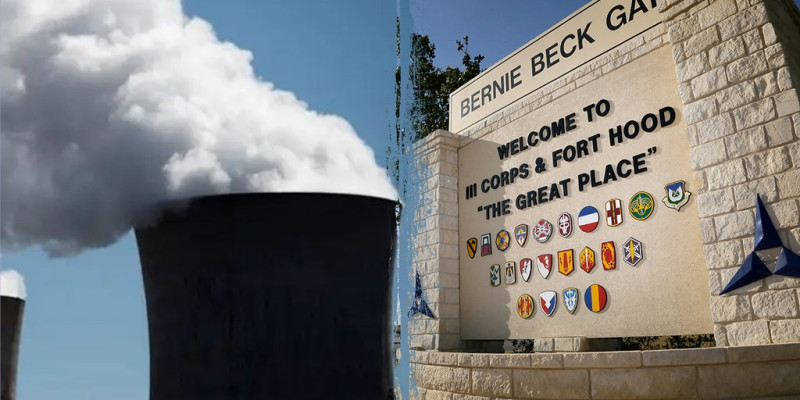
Operation Fortress is more than just a contingency plan. It represents a complete overhaul of how the U.S. military prepares for and responds to large-scale conflicts. The initiative, announced by Defense Secretary Pete Hegseth in September, mandates that every major military installation in the continental United States must be capable of sustaining operations for 90 days without relying on external power, water, fuel, or communication systems. The plan includes portable nuclear reactors, fuel, and ammunition stockpiles, and backup supply chains.
The idea is to ensure that military bases can continue to function even if critical infrastructure, such as power grids and supply chains, are disrupted during a conflict. This initiative comes in the wake of growing concerns about global supply chain vulnerabilities and the potential for widespread disruptions. The British government recently launched a similar campaign, encouraging families to prepare for three days without essential services, highlighting the broader global anxiety over resilience.
This initiative is part of a broader strategy to bolster military resilience in the face of modern threats. The Pentagon's move to fortify bases is not just about military preparedness; it's about ensuring that the U.S. can maintain operational readiness and critical infrastructure during times of severe stress.
The Logistical Challenges and Technological Innovations of Operation Fortress
The logistical challenges of maintaining self-sustaining military bases are immense. Each base must be equipped with portable nuclear reactors, fuel, and ammunition stockpiles, and secure backup supply chains. This means extensive planning, significant financial investment, and innovative technological solutions. The Pentagon is looking at everything from energy storage to advanced water purification systems, to ensure that bases can function independently.
One of the most innovative aspects of the plan is the use of portable nuclear reactors. These reactors can provide a steady source of power, ensuring that bases can continue to operate even if the national power grid is compromised. However, the deployment of nuclear technology on military bases is not without its risks and controversies, and the Pentagon is likely to face scrutiny over this aspect of the plan.
Additionally, the initiative includes plans for secure communication systems that can function independently of civilian networks. This ensures that military bases can maintain operational readiness and coordinate with other bases and units even in the event of widespread communication disruptions. The focus is on building a robust, resilient, and decentralized communication network that can withstand any potential threats.
Operation Fortress: A Response to Global Instability or a Precautionary Measure?
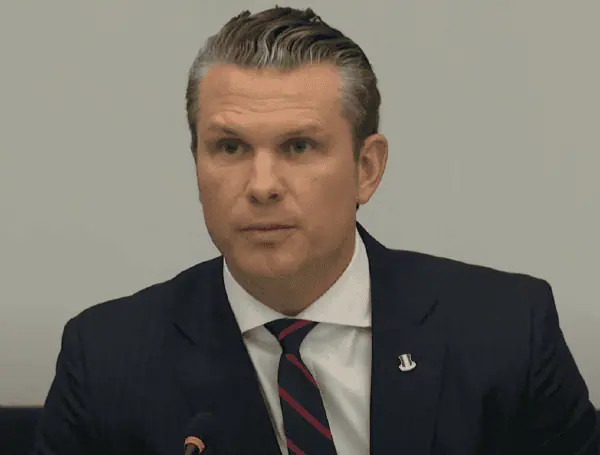
"We're ensuring that our military installations are not only resilient but also autonomous in the face of adversity."— Defense Secretary Pete Hegseth.
Defense Secretary Pete Hegseth's words underscore the urgency and importance of Operation Fortress. But the question remains: Is this a response to an imminent threat, or is it a precautionary measure? The Pentagon has not provided a clear answer, but the timing of the announcement, amidst escalating geopolitical tensions, suggests that it is a proactive step to enhance military readiness.
The initiative could also be seen as a message to potential adversaries, demonstrating the U.S.'s commitment to maintaining operational readiness and resilience. By ensuring that its military bases can function independently for 90 days, the U.S. is sending a clear signal that it is prepared to defend its interests and maintain stability even in the face of significant disruptions. This could serve as a deterrent, potentially reducing the likelihood of conflict.
However, the initiative also raises concerns about the potential for increased military spending and the risks associated with deploying nuclear technology on military bases. The Pentagon will need to address these concerns and ensure that the initiative is implemented safely and effectively.
In recent times, the world has seen an uptick in global tensions and conflicts. From the ongoing war in Ukraine to the escalating tensions in the South China Sea, the need for military preparedness has never been greater. Operation Fortress is a response to these challenges, but it also raises broader questions about the future of military strategy and the role of resilience in maintaining global stability. Think again. How far is the Pentagon willing to go to ensure its preparedness? Only time will tell, but one thing is certain: the world is watching closely.
Gone. The chaos of a major conflict, the disruption of critical infrastructure, the uncertainty of what comes next. Operation Fortress aims to provide a shield against the unknown, a fortress to protect and sustain the military's ability to operate. But the larger question lingers: Is this a step toward a more secure future, or a harbinger of an increasingly unstable world?
Your questions, answered
What is Operation Fortress?
Operation Fortress is a Pentagon initiative that will equip major U.S. military bases to operate independently for 90 days without external power, water, fuel, or communication systems.
Who announced Operation Fortress?
Defense Secretary Pete Hegseth announced the initiative in September.
How does this story make you feel?
Topics
 Up next · PoliticsTrump rallies in Mississippi to boost Senator Cindy Hyde‑Smith