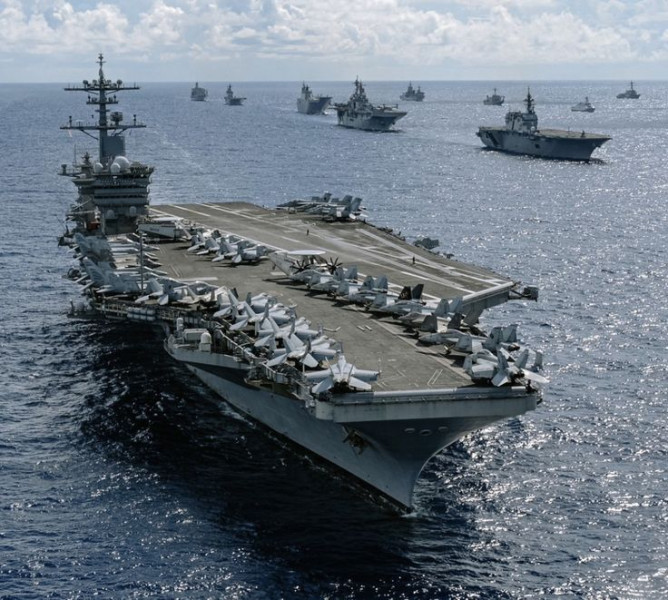
The Controversial Discharge of Nicholas McKelvey: A Sailor's Desperate Act and the Navy's Response
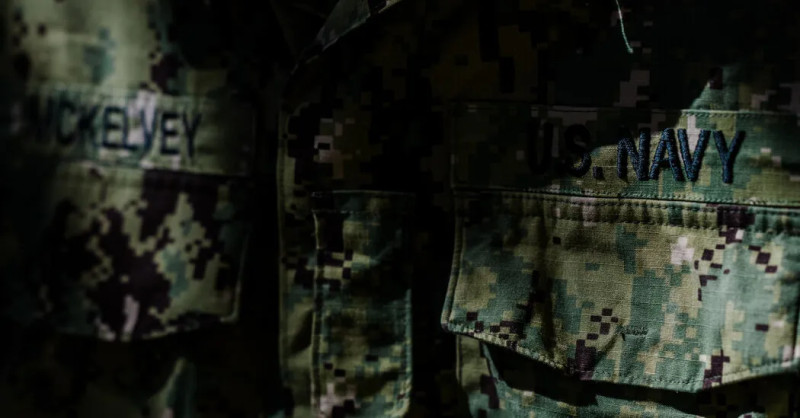
In recent times, the case of Nicholas McKelvey, a 19-year-old Navy airman discharged from the USS Abraham Lincoln, has sparked outrage and debate, shedding light on mental health struggles within the military. McKelvey's desperate act of jumping overboard from the aircraft carrier after 255 days at sea has been met with a punitive response from the Navy, leading to his discharge and the loss of crucial benefits.
The Desperate Act of a Troubled Sailor
McKelvey, an aviation mechanic in a helicopter squadron, had been serving aboard the USS Abraham Lincoln during a particularly grueling deployment. As the war with Iran raged, the 19-year-old found himself in a mental health crisis, which ultimately led to his decision to jump from the ship. This act, which was an apparent attempt to escape the overwhelming stress and psychological distress, has been branded by the Navy as "malingering" — accusing McKelvey of intentionally faking an illness to avoid his duties.
McKelvey's wife has spoken out about the harsh punishment her husband is facing, highlighting the emotional and financial toll the discharge is taking on their family. According to his wife, the discharge not only means the loss of his military career but also the loss of G.I. Bill education benefits that were crucial for their future.
The Navy's Response and the Debate on Mental Health
The Navy's decision to discharge McKelvey has been widely criticized as an inappropriate response to a mental health crisis. Critics argue that the Navy's approach not only fails to address the underlying issues of mental health within the military but also punishes a sailor in a time of dire need.
Here's what nobody's asking: how many sailors consider suicide because of the relentless pressures of deployment, and how many are silent about their struggles in fear of being labeled or punished?Pete Hegseth's public stance on the issue has also added fuel to the fire, with his comments suggesting that the Navy has mishandled the situation, further exacerbating the issue.
One counter-argument to the criticism is that the Navy must maintain discipline and order, even in the face of mental health emergencies. Proponents of the Navy's decision argue that allowing exceptions to disciplinary rules could set a dangerous precedent, potentially undermining the structure and effectiveness of the military. However, this perspective overlooks the severe consequences faced by individuals like McKelvey, who are already struggling with their mental health.
The Broader Implications for Military Mental Health
McKelvey's case highlights a broader issue within the military: the lack of adequate mental health support for service members. The USS Abraham Lincoln sailor's suicide attempt and subsequent discharge raise critical questions about the Navy's protocols for handling mental health crises. According to available reports, mental health support and intervention mechanisms within the military are often inadequate, leading to severe consequences for those in need.
For instance, the Navy's decision to discharge McKelvey and revoke his G.I. Bill benefits underscores the need for more comprehensive support systems. This includes not only immediate psychological assistance but also long-term care and benefits to ensure that service members can rebuild their lives after traumatic experiences.
Whether the Navy's handling of McKelvey's case will spark significant reforms remains to be seen. The stark contrasts between military discipline and mental health needs are part of a broader sailor latest news debate, and this case has undeniably brought it to the forefront. The question remains: how can the military better support its members, ensuring they receive the care they deserve without jeopardizing their futures?
How does this story make you feel?
 Up next · PoliticsMario Alberto Morales: ICE Agent Under Fire