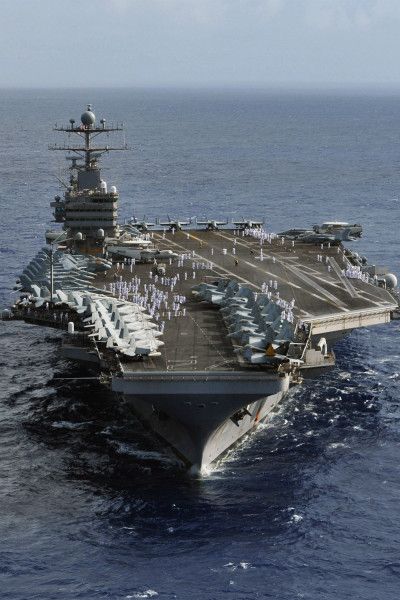
Navy punishes sailor who jumped overboard from USS Abraham Lincoln
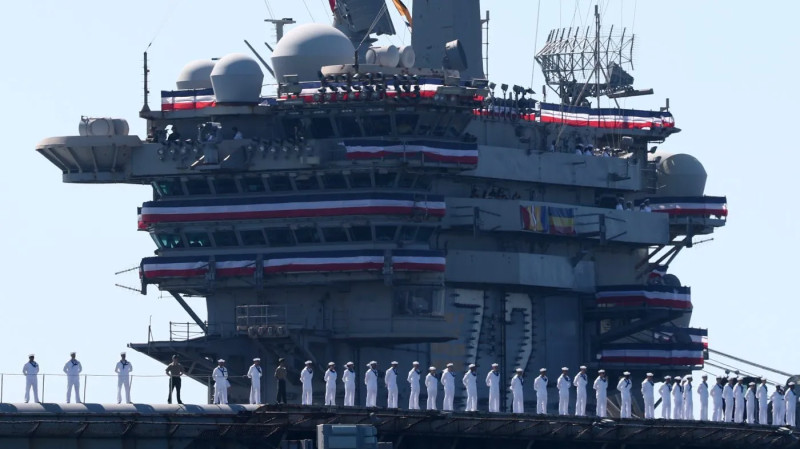
A 19‑year‑old Navy airman jumped overboard during a nine‑month deployment on the carrier USS Abraham Lincoln and was discharged and stripped of GI Bill benefits, sparking debate over military mental‑health policies.
Key points
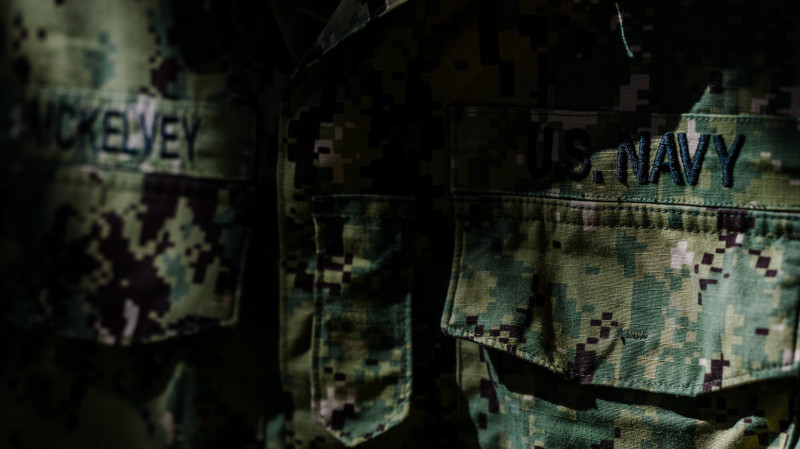
- Nicholas McKelvey, 19, leapt 67 feet into the ocean from the carrier after 255 days at sea.
- The Navy classified his act as malingering and discharged him, removing his GI Bill education benefits.
- The case has intensified criticism of how the Navy handles service members’ mental‑health crises amid heightened tensions with Iran.
Imagine being at sea for nearly nine months, working grueling 12-hour shifts, with the sun beating down and the tension of a looming war with Iran. For a 19-year-old Navy airman named Nicholas McKelvey, this was his reality aboard the USS Abraham Lincoln. Recently, McKelvey made a desperate attempt to escape his mental health crisis by jumping overboard from the aircraft carrier, only to face severe punishment from the Navy. Here's what happened, and why it's causing a stir.
McKelvey's Desperate Leap and the Navy's Response
McKelvey, an aviation mechanic in a helicopter squadron, had been on the USS Abraham Lincoln for 255 grueling days. The stress of his duties, combined with the isolation and intensity of his deployment, led him to take a harrowing 67-foot leap into the ocean. The Navy's response? They branded his desperate act as "malingering," accusing him of faking distress to escape his duties. Sound familiar? This isn't the first time the military has been criticized for its handling of mental health crises among service members.
Mental Health Crisis or Disciplinary Issue?
McKelvey's story raises serious questions about how the Navy handles mental health crises. The airman had been working long hours in harsh conditions, and he had missed the birth of his daughter, according to available reports. The Navy's decision to formally discharge him and strip him of his GI Bill education benefits has sparked outrage, with many arguing that this punitive approach is counterproductive. Look, it's not like the Navy hasn't faced criticism for its mental health policies before. Remind you of anyone? This isn't the first time a service member's mental health crisis has been met with disciplinary action rather than support. The Navy’s approach here has left many questioning whether it’s focusing on the right issues.
The Impact on Military Mental Health Policies
The ongoing war with Iran has created a high-pressure environment for sailors like McKelvey. And then — get this — the Navy's response to his mental health crisis has only added to the controversy. The situation highlights a broader issue within the military: how to balance discipline with compassion when dealing with service members in crisis. It’s a delicate balance, and it seems like the Navy got it wrong this time. This story has become a rallying cry for those advocating for better mental health support within the military. If the Navy can't handle a situation like this, what does that say about their overall approach to mental health? Let's face it, the stakes are high, and the need for change is clear. The time for reform is now.
Sound familiar? This isn't the first time we've seen the military struggle with mental health issues. And it won't be the last unless something changes. Let's ensure Nicholas McKelvey gets the support he needs and deserves.
What Next?
McKelvey’s story is just one example of the broader issue of mental health in the military. It's a complex problem, and it’s going to take more than just a few changes to fix it. But one thing is for sure: the Navy needs to do better. This situation has become a flashpoint for the ongoing debate about mental health in the military, and it’s clear that more support is needed for our service members.
McKelvey's Story Highlights the Need for Change
The Navy's approach to McKelvey's situation has sparked a national conversation about mental health in the military. The decision to punish him rather than provide support has raised serious questions about the Navy's policies and the broader issue of mental health within the armed forces. Let's hope this incident serves as a wake-up call. It's time for a change, and it's time for the Navy to step up and provide the support our service members need and deserve.
Supporting Our Service Members
In recent times, the Navy's handling of McKelvey's case has highlighted the need for better mental health support within the military. It's a complex issue, and it's going to take more than just a few changes to fix it. But one thing is for sure: the Navy needs to do better. This situation has become a flashpoint for the ongoing debate about mental health in the military, and it’s clear that more support is needed for our service members. Let's ensure Nicholas McKelvey gets the support he needs and deserves.
This is a future where Nicholas McKelvey doesn't become a statistic. This is a future where the Navy does better.
Your questions, answered
Why was Nicholas McKelvey discharged after jumping overboard?
The Navy said his jump was a deliberate attempt to avoid duty, labeling it malingering and issuing a discharge that removed his GI Bill benefits.
What impact has McKelvey’s case had on public discussion?
It has heightened debate over the military’s approach to mental‑health support and disciplinary actions for service members in crisis.
Quick poll
Should the Navy change its policies for service members who experience mental‑health crises?
0 votes
How does this story make you feel?
Topics
 Up next · PoliticsPoland faces constitutional crisis as Tusk clashes with President Nawrocki