When Does Time Go Back? The 2026 Fall Time Change and the Push for Permanent Daylight Saving Time
In recent times, the topic of daylight saving time has once again taken center stage. As we approach the end of the year, the question on many minds is: when does time go back? The upcoming change signifies more than an adjustment to our clocks; it’s a shift that has sparked debate and legislative action. Let’s dive into the details of this year's time change and explore the ongoing push for permanent daylight saving time.
Understanding the 2026 Fall Time Change
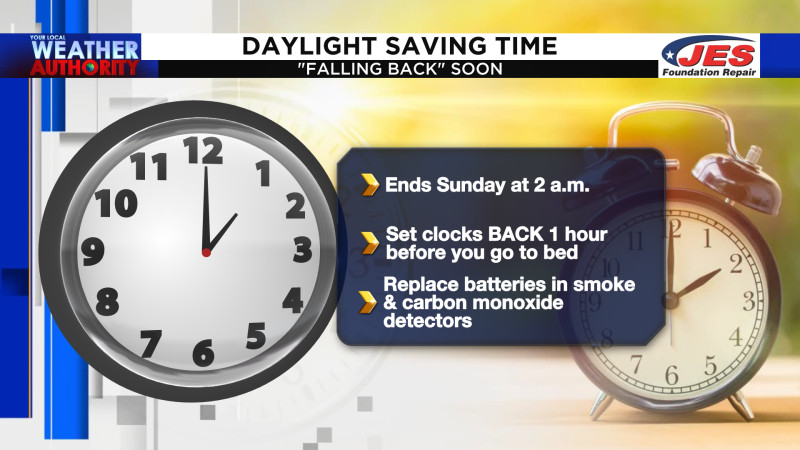
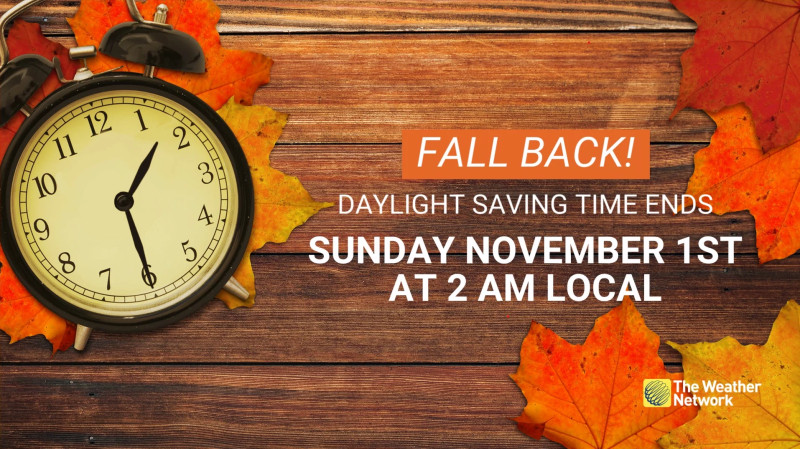
The end of daylight saving time is approaching, and this year, clocks will go back at 2 a.m. on November 1, 2026. This means we will gain an extra hour of sleep, as clocks are set back one hour. The practice of changing clocks twice a year has been a longstanding tradition, but it has also been a topic of debate in Congress, with some advocating for a permanent shift to daylight saving time. In this upcoming time change, the debate is renewed, as we consider the impacts on sleep patterns, energy consumption, and public safety.
The Push for Permanent Daylight Saving Time
The recent legislative efforts to make daylight saving time permanent have gained significant traction. The House has already passed a bill to make daylight saving time permanent, and the Senate vote is expected soon. If this legislation is approved, it could mean the end of the biannual time change, providing consistency that many believe would benefit public health and safety.
The Debate and its Implications
Let's not kid ourselves, the debate over daylight saving time is not just about convenience; it’s about public health, energy consumption, and economic impact. Proponents argue that permanent daylight saving time would align better with natural light, reducing accidents and crime during later daytime hours. Critics, on the other hand, point to the disruption in circadian rhythms and the potential impact on health, particularly for younger children and the elderly.
Although the Senate vote is looming, the implications of this decision are vast and multifaceted.
Conclusion
The upcoming time change and the push for permanent daylight saving time are more than just calendar shifts; they represent a broader discussion about our relationship with time and how it affects our daily lives. As we approach the date when clocks go back, we stand at a historic crossroads, poised to make a significant change that could alter the way we experience time forever.
The question isn't whether we should change the clocks, but how we can best adapt to the rhythm of our lives. Let’s embrace the data and the evidence, and make a decision that benefits us all.
In the midst of the debate, it’s crucial to recognize that the future of time change rests in the hands of policymakers, and their decision will shape our daily lives in profound ways.
How does this story make you feel?
 Up next · PoliticsThe Time Change: Clocks Falling Back in 2026