4.1 Billion-Year-Old Martian Meteorite Discovered in the Sahara Desert
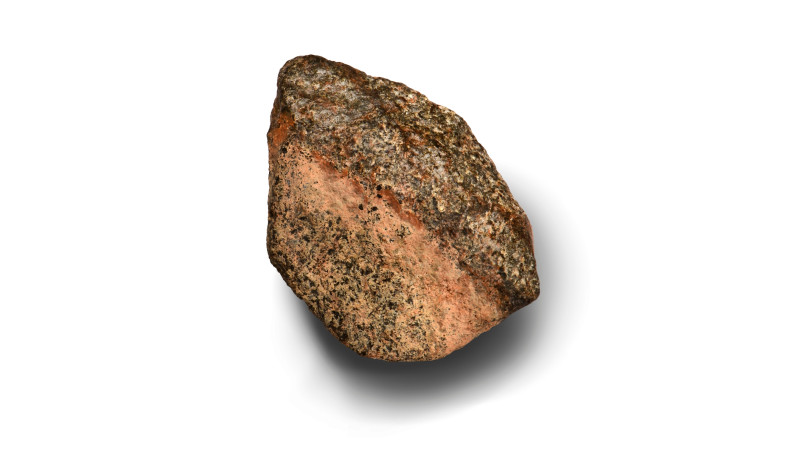
Scientists have recently made a groundbreaking discovery in the Sahara Desert, uncovering a mars meteorite that dates back to the early days of the solar system. This ancient Martian meteorite, known as Teghaza 001, is a rare and significant find that has captivated the scientific community and stirred curiosity about the planet's primordial past.
The Discovery and Identification of the Martian Meteorite
The meteorite, found in the Sahara Desert in Mali, was initially just another rosy stone among the vast desert landscape. However, it turned out to be far more valuable and significant than anyone could have imagined. Scientists, with the support of NASA, conducted detailed studies on the minerals within the meteorite. The results revealed that the mars meteorite is approximately 4.1 billion years old, making it one of the oldest Martian meteorites ever discovered on Earth.
Insights into Mars' Ancient Crust and History
The minerals found in the mars meteorite provide invaluable insights into the early history of Mars. The presence of certain minerals suggests that water was once flowing on the Martian surface, a finding that adds to the ongoing debate about the possibility of life on the red planet. The meteorite, a fragment of Mars' primordial crust, offers a unique window into the planet's geological past, sheding light on its composition and evolution.
Teghaza 001, weighing nearly 2 pounds (800 grams), is not just a rock but a time capsule from a distant era. Its discovery has sparked renewed interest in Mars exploration and the study of Martian meteorites. Scientists are now analyzing the meteorite to understand more about the planet's crust, its formation, and the conditions that prevailed during its early history.
The Implications for Future Space Exploration
The discovery of this ancient mars meteorite has significant implications for future space exploration. Mars meteorites are rare, with only a small fraction of known meteorites classified as Martian. This particular find, potentially the oldest known, offers a unique opportunity to study the planet's ancient crust and understand the conditions that prevailed during its early history. Researchers are now focusing on how this discovery can inform future missions to Mars, particularly in the search for ancient water and signs of life.
Future research will likely involve more detailed analysis of the meteorite's composition and the minerals it contains. Scientists are eager to uncover additional secrets about Mars' ancient crust and the conditions that existed during its early history, potentially leading to new insights into the planet's habitability and the possibility of life.
In recent times, the scientific community has been abuzz with the potential of mars meteorite discoveries and their role in understanding the red planet. With this recent find, researchers are now looking forward to more discoveries that could provide further evidence of water and life on Mars, driving forward the next phase of exploration and discovery.
How does this story make you feel?
 Up next · ScienceArizona braces for Halloween weekend storms after tornado week