Unraveling the Mysteries of a 4.1-Billion-Year-Old Martian Meteorite
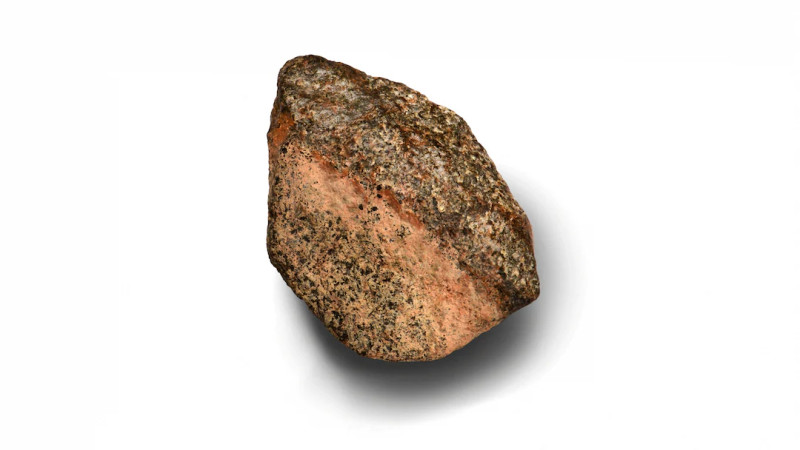
In the vast, desolate expanse of the Sahara Desert, an extraordinary discovery has captured the attention of scientists worldwide. A Martian meteorite, dating back to the dawn of the solar system, has offered new insights into Mars’ ancient past. The Mars meteorite discovery is particularly exciting because its composition hints at a time when liquid water flowed on the Red Planet, suggesting an environment that might have supported life. This discovery is a testament to the relentless pursuit of knowledge and the ongoing quest to understand our cosmic neighbors.
Unearthing the Ancient Martian Relic
This meteorite discovery was made in the Sahara Desert, a region known for its sparse population and harsh landscapes. The meteorite, a reddish igneous rock, is estimated to be around 4.1 billion years old, making it one of the oldest known pieces of Mars found on Earth. This rare find is providing scientists with unprecedented clues about the early geological history of Mars, particularly about its crust and mantle.
Researchers have underscored the uniqueness of this meteorite, describing it as a rare specimen that provides a window into the planet's primordial conditions. The rock's composition includes minerals that suggest the presence of flowing water, which is a significant discovery for understanding Mars' potential to support life.
Initially, the discovery was made in the Sahara Desert, where the meteorite was found in 2022. The discovery was a surprise to researchers, as Martian samples this old are extremely rare. The Sahara’s vast and isolated terrain provided the ideal conditions for preserving this ancient relic, which has been meticulously studied.
Unlocking the Secrets of Mars' Early Environment
The meteorite found in the Sahara has been analyzed thoroughly, revealing the presence of minerals that suggest Mars once had an environment more akin to Earth. This discovery is particularly intriguing because it raises the possibility that Mars once had conditions suitable for life.
The recent analysis has been published in the Journal Science, detailing the meteorite’s geological origins and its significance in understanding Mars' early crust and mantle.
One of the most exciting findings is the evidence of water deep beneath the Martian surface, strengthening the possibility that the planet may once have had conditions suitable for life. This has significant implications for future missions to Mars, as it indicates that there may be more evidence of water to be found, which could support the search for extraterrestrial life.
The Scientific Community's Next Steps
The discovery of this Martian meteorite in the Sahara Desert is a pivotal moment in the study of Mars. Future exploration missions could be guided by this newfound knowledge, focusing on areas where similar geological conditions might exist. This meteorite serves as a beacon, illuminating the path for further exploration and research.
According to the scientists, 'The discovery provides an unprecedented look at Mars' earliest geological history that could help guide future exploration of the planet.' They also mentioned, 'This Martian meteorite that formed ≳4.1 billion years ago samples Mars' early crust and mantle.'
The latest news on this meteorite discovery underscores the importance of continued exploration and scientific inquiry. As we delve deeper into the mysteries of Mars, each discovery brings us closer to understanding the origins of our solar system and the potential for life beyond Earth.
Dr. Michael Baker, a leading scientist in the study of Martian meteorites, commented, 'This discovery is a game-changer. It not only confirms the presence of water on Mars in its early history but also provides a detailed look into the planet's crust and mantle. The implications for future missions and our understanding of Mars are profound.'
Dr. Michael Baker, Leading Scientist at University of New Mexico
How does this story make you feel?
 Up next · Science4.1 Billion-Year-Old Martian Meteorite Discovered in the Sahara Desert