The Habibi Controversy: How a Term of Endearment Became a Flashpoint in US Politics
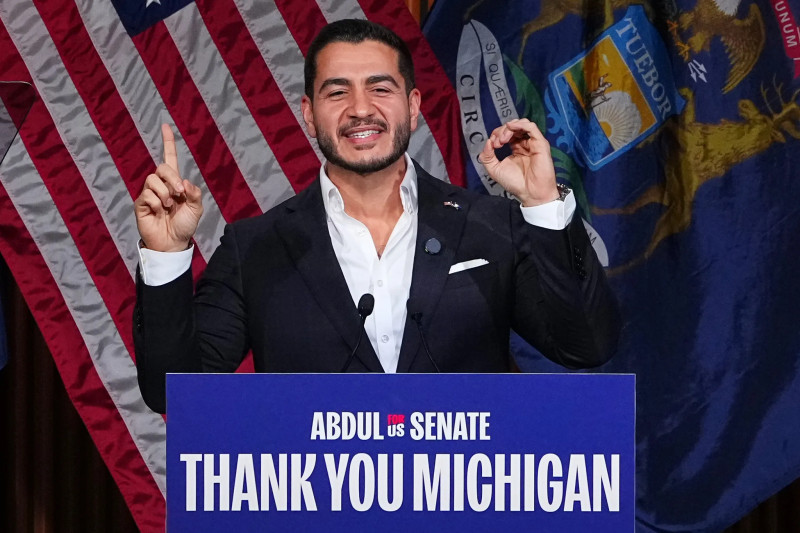
In the fluorescent glare of the briefing room, Dr. Abdul El-Sayed stood victorious, his face etched with the exhaustion of a long-fought battle. The term habibi — a term of endearment meaning 'my dear' or 'my beloved' in Arabic — had recently become a flashpoint in US politics. The phrase, once a symbol of affection, was now a political weapon as El-Sayed, a progressive Democrat with a background in public health, celebrated his win in Michigan's Senate race, defeating former Representative Mike Rogers.
The Habibi Controversy: A Clash of Cultures and Politics
In recent times, the term habibi has been thrown into the spotlight due to its repeated use in political rhetoric, sparking a heated debate about cultural sensitivity, political maneuvering, and the power of language. The controversy began when El-Sayed, a progressive Democrat and the habibi controversy, was repeatedly referred to himself as habibi during his campaign. The term, often used affectionately in Arab cultures, raised eyebrows among conservative commentators who accused El-Sayed of using it to pander to his Muslim constituents.
However, El-Sayed's team defended the use of the term, stating that it is a common expression of endearment in Arabic culture and should not be misconstrued as a political ploy. The controversy highlighted the cultural divide in American politics, where terms of affection from one culture can be misunderstood or weaponized in another.
The term habibi has been used in a variety of political contexts, from diplomatic speeches to election campaigns. In the case of El-Sayed, it became a contentious point, with some accusing him of using it to appease Islamic communities, while others saw it as a genuine cultural expression. The controversy underscored the broader issue of cultural sensitivity in politics, where words can carry weight beyond their literal meanings.
From Public Health to Political Arena: El-Sayed's Journey to the Senate
Dr. Abdul El-Sayed's journey to the Senate has been marked by a series of firsts and controversies. A public health expert and progressive Democrat, El-Sayed's victory in Michigan's Senate race has made him the first Muslim American elected to the upper chamber. His campaign, characterized by a blend of progressive policies and cultural sensitivity, has been a test case for how an antiestablishment candidate on the left would fare in a perennial Midwest swing state.
The controversy surrounding the term Habibi became a microcosm of the larger political battle being fought in Michigan. El-Sayed, known for his progressive stances on healthcare and social issues, faced a stream of Islamophobic and racially charged rhetoric from top Republicans. Despite the turbulence, his victory marks a significant milestone for Muslim representation in American politics.
In the final weeks of the campaign, the use of habibi was seized upon by critics who sought to paint El-Sayed as out of touch with mainstream American values. The controversy simmered as El-Sayed’s supporters rallied behind him, emphasizing his commitment to public health and social justice. The clash of cultures and politics reached a crescendo on election night, where El-Sayed's victory was seen as a rebuke to those who sought to divide along cultural and religious lines.
The habibi controversy underscores the delicate balance between cultural identity and political rhetoric. As El-Sayed takes his seat in the Senate, the term habibi will likely continue to resonate, both as a symbol of cultural pride and a reminder of the complexities of political discourse in a diverse nation. One thing is sure: the term habibi will continue to evoke strong reactions, — as the stakes remain high for both sides of the aisle. “This isn’t just about a word,” El-Sayed said in a recent interview. “It’s about respecting the diversity that makes our country strong”.
How does this story make you feel?
 Up next · PoliticsDan Patrick Concedes Defeat in Texas Lieutenant Governor Race