Trump's Post-Election Lame Duck Status Amid Impeachment Speculations
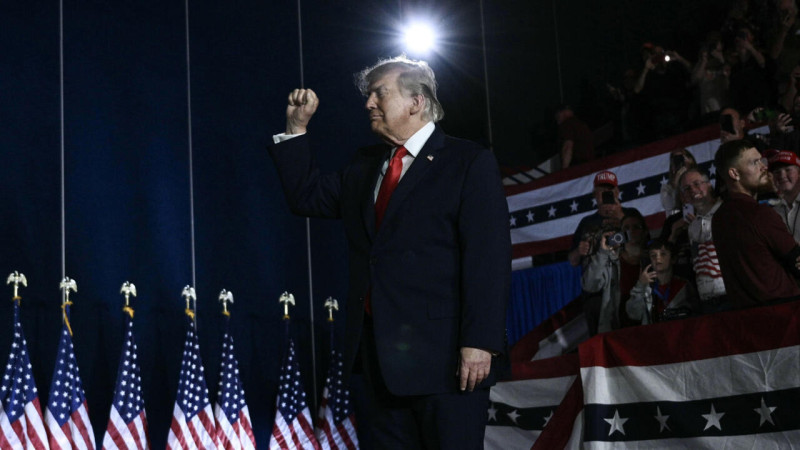
In the aftermath of a contentious midterm election, the political landscape in the United States is ablaze with speculation and intrigue. Here's the thing: the phrase lame duck president is once again in the spotlight, this time with President Trump in the hot seat. As the dust settles on the midterms, the political pundits and armchair analysts are buzzing with questions: What does it really mean to be a lame duck? Will Trump face impeachment? And what does this all mean for the future of U.S. politics?
Explaining the Lame Duck
The term lame duck in politics refers to an elected official who is approaching the end of their term, or whose successor has already been elected, rendering them a lame duck in terms of political influence. It's a bit of a quirky term, right? Originating in British politics, the phrase has been a staple in American political lexicon, especially during the 19th and 20th centuries. Being a lame duck means the outgoing politician holds full legal power but often has diminished political influence.
For a president, this period can be particularly tricky. On one hand, they still retain constitutional and statutory authority, but on the other, their ability to enact significant policies or decisions is often limited. This is because they’re seen as having less influence with other politicians due to their limited time left in office. Conversely, a lame duck president can also have the freedom to make decisions without fear of backlash, as they won’t be facing re-election.
Trump's Lame Duck Status and Impeachment Chatter
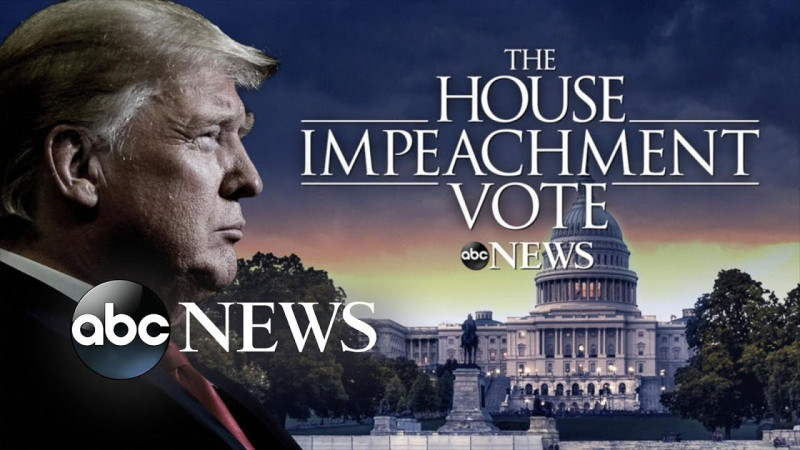
It’s no secret: the midterm elections have been a rollercoaster, and the Republicans have faced significant setbacks. With the Democrats controlling both the House and the Senate, President Trump is now in a lame duck position. This situation has reignited discussions around potential impeachment proceedings. You might be thinking: How many votes to impeach the president? Well, the House of Representatives can impeach a president with a simple majority vote.
But here's where it gets complicated: impeachment doesn’t necessarily mean removal from office. Look, the Senate would still need a two-thirds majority to convict and remove him. This has led to some heated debates and speculations. Some analysts suggest that the Democrats might use this period to push for impeachment, especially given the current political climate. But will they follow through on this? That’s the million-dollar question.
What's Next for Trump and the Country?
As Trump navigates his lame duck presidency, the country is left to ponder the implications. Will his policies change? Will he push through new initiatives, knowing he has limited time and perhaps less to lose? Or will he focus on his legacy, attempting to leave a mark on his presidency before it ends? The speculation is rife, and the nation watches with bated breath.
This isn’t the first time a president has faced such a period. But given Trump's unique style and the current political dynamics, it’s a situation unlike any other. The upcoming months will certainly be a period of intense scrutiny and possibly significant changes. Only time will tell how this all unfolds, but one thing is clear: it’s going to be a wild ride.
As for the future of the presidency and U.S. politics, we can expect a renewed focus on transitions and the role of the president in the final stages of their term. It's a reminder that in politics, the end of one chapter can often be as consequential as the beginning of another. And so, the political drama continues, as we all wait to see what happens next in the lame duck presidency.
"This period can be a time of great vulnerability, but it can also be a period of freedom and boldness. It's like being a moth to the flame of political power."
How does this story make you feel?
 Up next · PoliticsCalifornia's Prop 40 Suffers Early Setback in Billionaire Tax Vote