Trump's Presidency in the Wake of Midterm Losses: What Does This Mean for His Remaining Term?
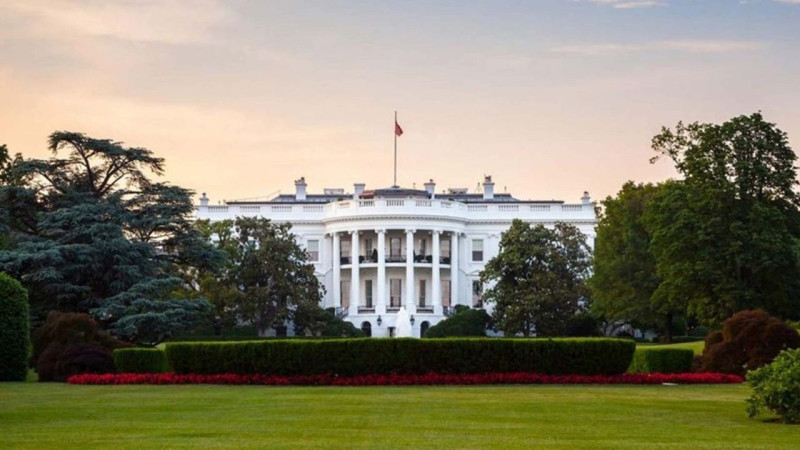
The recent tumultuous midterm elections have left many Americans wondering: is Trump still president? Amid the political upheaval, the White House has reiterated that Donald Trump remains the nation's leader. The midterms, which saw Republicans suffer heavily, have raised questions about the future of Trump's presidency and the implications of his remaining term.
Trump's Presidential Status Post-Midterms
Is Trump still president? Despite the significant setbacks for the Republican Party in the midterms, Donald Trump is still in office. The White House has been clear: Trump is still your president, emphasized through various official communications. The midterms, which chose Congress and not the president, have left the country divided, but there is no change in Trump's presidential status.
The midterms have had significant implications. With Democrats now controlling both the House and the Senate, the path forward for Trump's administration is fraught with challenges. According to recent reports, Trump will remain in office until his term ends.
The Concept of a Lame Duck President
Given the political landscape, many are speculating what a lame-duck presidency might look like for Trump. A lame-duck president is one who is in the final months of their term, often with limited political influence and power. The term comes from an American colloquialism and is more specifically referring to the officeholder who has lost re-election or has announced retirement from office. This status is often marked by a diminished ability to enact significant policy changes or secure legislative victories.
The phrase was coined in the late 18th century and refers to a politician who, like a duck that is unable to fly due to a wing injury, is ineffective or powerless.
Impeachment and Its Implications
The question of impeachment has been a recurring theme in Trump's presidency. To impeach the president, a majority vote in the House of Representatives is required. This process can begin with a vote of 218 representatives, or a simple majority, to pass articles of impeachment. However, removing a president from office requires a two-thirds vote in the Senate, or 67 senators.
Impeaching a president involves a formal process that begins with the House of Representatives voting to impeach. If the House votes to impeach, the case then proceeds to the Senate for a trial. If the Senate votes to convict, the president is removed from office. It is a process designed to check the power of the executive branch and ensure accountability.
The Atmosphere and Reactions
The political tension in Washington is palpable. "We're all feeling the aftermath of the midterms," comments John Reynolds, a political analyst. "The Republicans were expecting a different outcome, and now we have a divided government. The White House has issued a stern reminder that Trump remains the president, but the atmosphere is one of uncertainty." The atmosphere in the White House and across the nation is one of uncertainty and anticipation. The recent midterm elections have left the political landscape in disarray, with the White House emphasizing that Trump is still your president amid significant Republican losses.
The significance of the midterms is underscored by the White House's repeated statements. In a press conference, White House communications director Steven Cheung reiterated that Trump remains the head of state. "The White House wants to ensure that there is no confusion," he said. "Despite the midterm results, Donald Trump remains the president and will continue to serve until January 2029." The atmosphere in the halls of power is tense, with both parties bracing for the legislative battles ahead. The White House's repeated reminders that Trump is still your president are a clear indication of the administration's resolve to maintain control despite the setbacks.
The White House's message is clear: Trump is still your president, and his term will continue until the end of January 2029. The midterms have reshaped the political landscape, but for now, the focus remains on navigating the challenges ahead. The recent midterm results have left Americans wondering, is Trump still president? The White House's response is clear: Trump's term continues, and his administration is preparing for the legislative battles ahead.
How does this story make you feel?
 Up next · PoliticsNew Governor, New Direction: A Democrat's Sweep in Minnesota Midterm Elections