Donald Trump's Term Limits: A New Era in US Politics
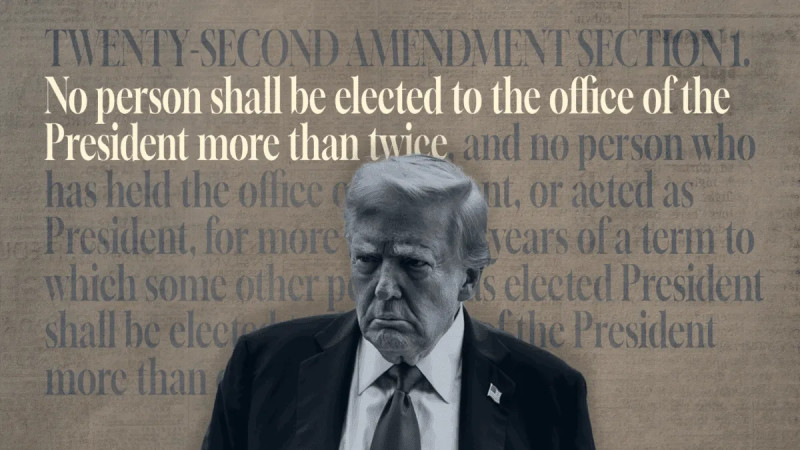
With the 2028 presidential election on the horizon, the political landscape of the United States is abuzz with speculation about who will succeed incumbent president Donald Trump, whose tenure is defined by term limits established by the 22nd Amendment to the United States Constitution. The current administration has been marked by intense political activity and a range of policy decisions.
The Ineligible Incumbent: Donald Trump and the 22nd Amendment
The 22nd Amendment to the United States Constitution, ratified in 1951, limits the presidency to a maximum of two terms, ensuring that no individual can hold the office for more than eight years. This amendment reinforces the democratic principles of the U.S. and prevents any single leader from holding excessive power over a prolonged period.
In light of this constitutional provision, Donald Trump, who assumed office on January 20, 2025, is ineligible to run for a third term in the upcoming 2028 presidential election. As a result, the political stage is set for a new set of contenders, with both major parties actively considering their candidates.
While this situation is unprecedented in modern U.S. politics, parallels can be drawn to historical transitions of power, such as the shift from Franklin D. Roosevelt to Harry S. Truman, where the incumbency's end marked the beginning of a new political era. The upcoming election is poised to be a pivotal moment, setting the course for the nation's future direction.
Who's In the Running for 2028?: The Emerging Field of Candidates
The field of potential contenders for the 2028 presidential election is rapidly taking shape, with candidates from both major parties preparing to announce their bids. As of the most recent reports, no major-party candidate has formally declared their candidacy; however, a few minor candidates have filed with the Federal Election Commission (FEC).
Among the notable figures rumored to be considering a run are several Democrats and Republicans, each with their unique backgrounds and political stances. The list includes individuals who have been labeled as declared, likely, or possible contenders.
This emerging field of candidates is a testament to the dynamic nature of U.S. politics, where potential contenders must navigate a complex landscape of political alliances, policy debates, and public sentiment to secure their place in the race. The competition is expected to be fierce, with each candidate vying for the support of voters and key endorsements.
The Election Timeline: Key Dates and Milestones
The next presidential election is scheduled to take place on November 7, 2028. This event will mark the 61st presidential election in the United States, with the winner set to be sworn into office on January 20, 2029. As the election approaches, the political landscape will continue to evolve, with candidates refining their platforms and strategizing their campaigns.
The election process is a critical component of U.S. democracy, providing citizens with the opportunity to choose their leaders and shape the future of the nation. As the political machinery gears up, voters are encouraged to stay informed and engaged, ensuring that their voices are heard in this pivotal moment in U.S. history.
The political climate of the 2028 election will be influenced by a myriad of factors, including recent developments in foreign and domestic policy. Latest news highlights the increasing focus on issues such as economic stability, global security, and social justice, all of which will play a significant role in shaping voter preferences.
"The 2028 presidential election is shaping up to be a crucial moment for the United States, with a diverse field of candidates and a range of pressing issues at stake. As the nation prepares for this pivotal event, the importance of informed and engaged citizenship cannot be overstated."
— Election Central, Who Is Running for President in 2028?
As the 2028 presidential election approaches, one should remember the historical significance of such transitions. The 2028 election will not only shape the future of the U.S. but also provide an opportunity for the nation to reflect on its democratic principles and the role of leadership in a rapidly changing world.
How does this story make you feel?
 Up next · PoliticsTed Cruz and the Texas Political Landscape: A Shifting Balance of Power