New Governor, New Direction: A Democrat's Sweep in Minnesota Midterm Elections
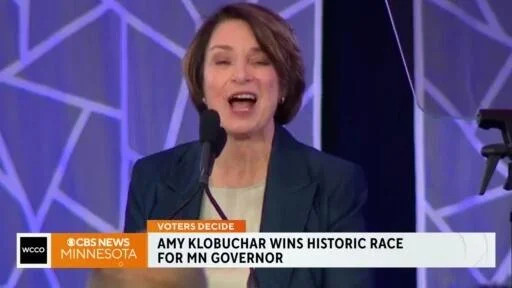
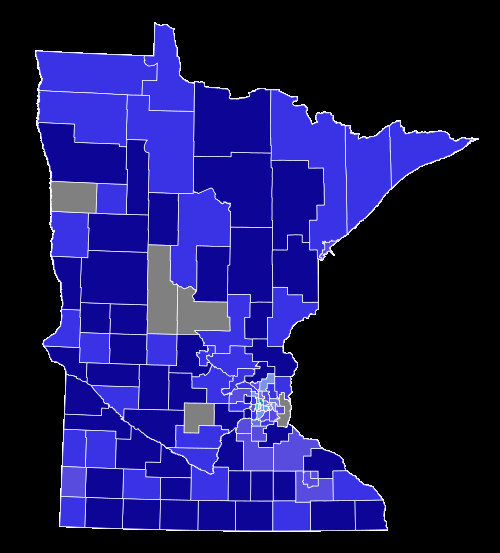
In a pivotal moment for Minnesota politics, the 2026 midterm elections have left a significant mark on the state's political landscape. Democrat Amy Klobuchar secured a decisive victory in the Minnesota governor's race, capturing 55.5% of the vote and edging out her Republican opponent Lisa Demuth by 12.8 points. This win, along with other notable outcomes, reflects a broader shift in the state's political dynamics.
Amy Klobuchar: A Resounding Victory
Amy Klobuchar's victory marks a significant turning point for Minnesota. Klobuchar, a seasoned politician, has long been a familiar name in the state's political arena. Previously serving as a U.S. Senator, her transition to the governor's office is seen as a natural progression. Klobuchar's campaign focused on key issues like healthcare, education, and economic development, resonating strongly with voters.
Her opponent, Lisa Demuth, put up a spirited fight but was ultimately unable to sway enough voters to her side. Demuth's campaign, which emphasized fiscal conservatism and stricter immigration policies, struggled to gain traction in a state known for its progressive leanings.
Look, it’s not just about the numbers here. This victory isn't just a win for Klobuchar; it's a testament to the enduring appeal of progressive policies in Minnesota. Her campaign's focus on economic development and education, coupled with her strong ties to the community, were crucial in securing her victory.
This victory isn’t just about the numbers. This win is a testament to the enduring appeal of progressive policies in Minnesota. Klobuchar's focus on economic development and education, along with her strong ties to the community, were crucial in securing her victory.
And then — get this — even the third-party candidate, Steven Young of the Green Party managed to secure a notable chunk of the vote, highlighting the growing influence of alternative political voices in the state.
The Senate and House Races: A Balanced Outcome
While the governor's race dominated headlines, the state's Senate and House races also saw significant developments. The Senate race, in particular, was closely watched as it could potentially shift the balance of power in Washington. In the end, the incumbent Democrat managed to hold onto their seat, but the margin was notably tighter than in previous elections.
The House races, meanwhile, resulted in a mixed bag of victories and defeats. While Democrats managed to retain several key seats, Republicans made gains in traditionally Democratic strongholds. This balanced outcome reflects the state's political diversity and the growing influence of independent voters.
Sound familiar? This kind of political tug-of-war is nothing new in Minnesota. The state has a long history of closely contested races, and this year’s elections are just the latest chapter in that ongoing narrative.
Remind you of anything? The Senate race was particularly intense, with the incumbent Democrat holding onto their seat by a narrow margin. This outcome underscores the state's political diversity and the growing influence of independent voters.
Local Races and Ballot Measures: A Mixed Bag
Beyond the high-profile races, local elections and ballot measures also played a significant role in shaping the state's political future. Across the state, voters weighed in on a variety of issues, from local governance to specific policy initiatives. The results were a mixed bag, with some measures passing by wide margins and others failing by narrow votes.
Some of the most contentious ballot measures included proposals for increased funding for public education and stricter regulations on environmental protections. These initiatives, championed by progressive groups, ultimately passed, reflecting a strong commitment to these issues among Minnesota voters.
While much of the attention was on the governor’s race, local elections and ballot measures also played a significant role in shaping the state’s political future. Across the state, voters weighed in on a variety of issues, from local governance to specific policy initiatives. The results were a mixed bag, with some measures passing by wide margins and others failing by narrow votes.
Here’s the thing: Minnesota voters clearly prioritize issues like education and environmental protection. The passage of these measures reflects a strong commitment to these issues among Minnesota voters.
One of the most contentious ballot measures was a proposal to increase funding for public education. This initiative, championed by progressive groups, ultimately passed, reflecting a strong commitment to education among Minnesota voters. Another key issue was a proposal for stricter environmental regulations, which also saw significant support from voters. These outcomes highlight the state's progressive leanings and its commitment to key policy areas.
“This election is a clear indication of the direction Minnesota wants to go in,” said a political analyst. “It’s not just about the governor’s race; it’s about the broader trends that are shaping the state’s future.” — MultiState
In recent times, Minnesota has been a state in flux, with shifting political dynamics and evolving voter priorities. This year's election results are a testament to the state's ongoing transformation, highlighting the growing influence of progressive policies and the enduring appeal of community-driven initiatives. As Minnesota moves forward, the outcomes of these elections will undoubtedly shape the state's future in profound ways, much like the historic elections of the past that have defined its political landscape.
How does this story make you feel?
 Up next · PoliticsTrump's Recent Veto Sparks Debate as Congress Prepares to Act