Amendment 87 Sparks Divisive Debate Over Colorado Taxes
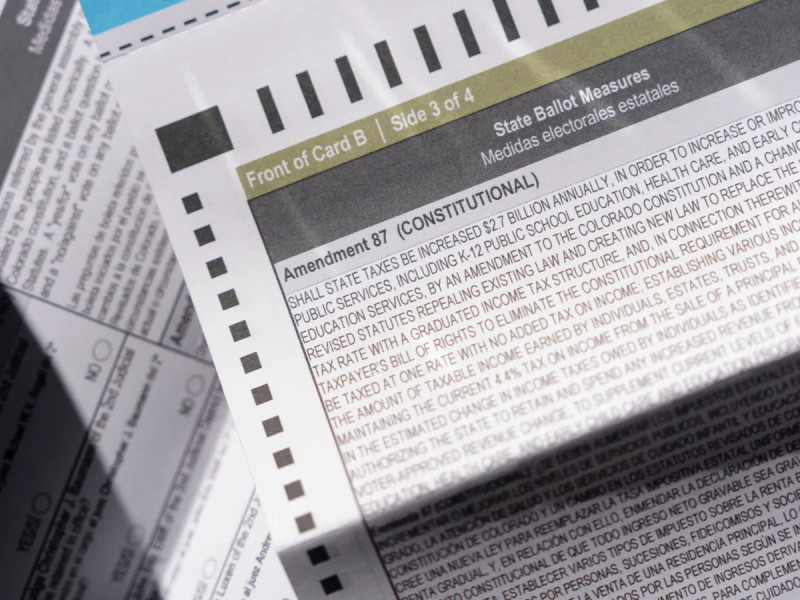
The political landscape in Colorado is in a state of flux as residents grapple with Amendment 87, a proposed tax hike on the state’s highest earners, which is currently too close to call. The amendment, which aims to replace the state's flat 4.4% income tax with a graduated income tax, has sparked intense debate on social media and among political analysts. The potential implications are vast, with some predicting a significant shift in the state's fiscal policies and others warning of potential economic repercussions.
The Proposed Changes: A Tax Overhaul for Colorado
The proposal for Amendment 87 seeks to change the state’s current flat income tax rate by introducing a graduated tax system. This would mean that households and businesses earning more would face higher tax rates. The graduated system is designed to target those earning more than $500,000, a demographic that has seen a 194% increase in filers from 2013 to 2023, outpacing the overall growth of Colorado's tax filers. The tax brackets proposed under Amendment 87 would affect individuals and businesses differently, with the highest earners facing the steepest increases.
The Economic Impact: A Double-Edged Sword?
Supporters argue that the proposed tax increase could generate around $2 billion in new revenue, which would be earmarked for critical sectors such as education, healthcare, and childcare. However, opponents raise concerns about the potential impact on Colorado’s business climate, arguing that such a significant tax hike could deter investment and drive high-earning individuals to other states. The tax hike is particularly controversial because Colorado’s business climate is already fragile, and opponents argue that the additional tax burden could exacerbate existing economic challenges.
Counter-Argument: A Tax Hike for a Better Future
In contrast, proponents of Amendment 87 point to the long-term benefits of increased funding for essential services. They argue that the revenue generated would significantly improve education and healthcare systems, benefiting all residents. According to available reports, the tax increase is expected to target the wealthiest 1% of Colorado's taxpayers, meaning that the majority of residents would not see a significant change in their tax rates. The proponents also highlight that the influx of revenue could provide substantial support for small businesses through TABOR refunds.
Let’s not kid ourselves, the data is damning: Colorado's total tax filer base has grown by 23% from 2013 to 2023, but the number of high earners targeted by Amendment 87 has skyrocketed by 194% in the same period. This disparity underscores the urgency for a progressive tax system that ensures the wealthy contribute more to the state’s coffers.
“Here’s what nobody’s asking: what will happen to Colorado’s economic competitiveness if Amendment 87 fails?” queries a leading economist. “The state’s economic growth has been fueled by a thriving business environment, but without this tax reform, we risk losing that edge. It’s a gamble that could either secure our future prosperity or send us spiraling into economic stagnation.”
“The Supreme Court's recent decision to uphold Amendment 87 is a pivotal moment and shows how seriously Colorado is taking this issue,” says a political analyst. “The amendment will remain on the ballot, ensuring that voters can decide whether the state should adopt a more progressive tax structure or maintain the status quo.”
For now, Coloradans are left to speculate on the immediate future of their state, waiting for official results on Amendment 87, which could fundamentally reshape the state’s fiscal landscape. The stakes are high, and the outcome remains uncertain.
How does this story make you feel?
 Up next · PoliticsThurston County Election Drama: Clouse vs. Dunning in Tight Race