Massachusetts Ballot Questions 2026: Historic Election Results
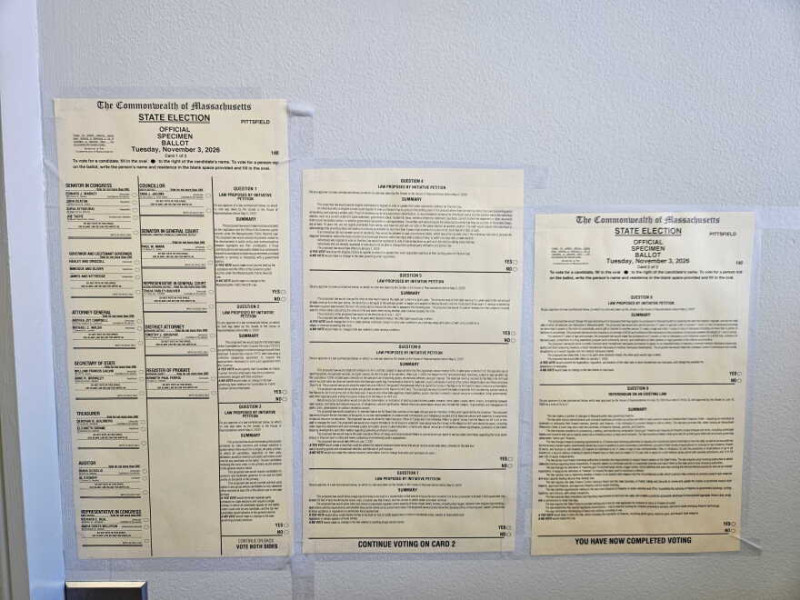
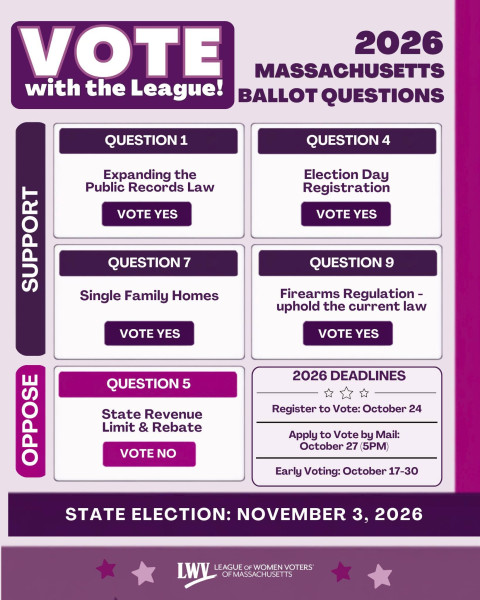
Massachusetts voters recently weighed in on nine ballot questions, making this one of the most pivotal elections in state history. The results, which include controversial and impactful measures, will shape the future of housing, gun control, public records, and more.
Housing and Gun Control: Key Votes
The most contentious issue on the ballot was Question 7, which asked voters if they would allow smaller lots for single-family homes. This measure aims to address the state's housing crisis by increasing density and affordability. However, the vote was split, with 50.1% supporting the change and 49.9% opposing it. This narrow margin underscores the divisiveness of the issue, as both sides fiercely debated the potential impacts on local communities and the environment.
The results showed a stark divide among different regions and demographic groups. Coastal towns and urban areas were more likely to support the measure, while rural and suburban communities tended to oppose it. This geographic split highlights the broader debates about development and land use in Massachusetts.
Another hotly contested issue was gun control. Question 8, which proposed stricter regulations on gun ownership and a ban on certain types of firearms, passed with 55% of the vote. This victory for gun control advocates could lead to significant changes in how firearms are regulated in the state, potentially setting a new standard for gun laws nationally.
Advocates argue that stricter regulations will help reduce gun violence, while opponents claim that the new laws infringe on constitutional rights and could have unintended consequences for law-abiding gun owners.
Legal Cannabis and Public Records
Cannabis legalization has been a controversial topic in Massachusetts, and the recent election saw another chapter in this ongoing debate. Question 5, which sought to maintain the legality of recreational cannabis, passed with 57% of the vote. This result reinforces the state's commitment to a regulated cannabis market, despite ongoing concerns about its potential health and social impacts.
Regarding public records, voters approved Question 6, which expands access to public documents and increases transparency in government operations. This measure passed with 60% of the vote, reflecting a strong public desire for greater accountability and openness in state affairs. The expanded public records law will require more government agencies to disclose their records, potentially leading to significant changes in how the public interacts with state officials and institutions.
Another key vote was on Question 3, which proposed changes to the state's election process. The measure, which would have allowed for Election Day voter registration, passed with 52% support. This change could increase voter turnout and make the electoral process more accessible, particularly for younger voters and those who may face barriers to traditional registration methods.
Looking Ahead: The Future of Ballot Measures
With so many pivotal issues decided, the results of the 2026 Massachusetts election will have far-reaching implications for the state's future. The approved measures on housing, gun control, cannabis legalization, and public records will all require significant policy changes and implementation efforts.
For those interested in the specific outcomes for each ballot question, detailed town-by-town maps are available, providing a nuanced view of how different communities voted. This granular data offers insights into the regional and demographic factors that influenced voting patterns, highlighting the diverse opinions and concerns within the state.
As Massachusetts grapples with these new laws, the focus will soon shift to the implementation phase. The next major milestone will be the state legislature's review of these measures, ensuring they align with existing laws and can be effectively enforced.
Meanwhile, advocates and opponents alike are already looking ahead to future ballot measures that could further shape the state's policies on housing, public safety, and government transparency. The results of the 2026 election serve as a reminder of the power of direct democracy, and the potential for significant change through the ballot box.
How does this story make you feel?
 Up next · PoliticsKansas Turns Blue: Historic Senate Victory for Democrat Adam Hamilton