A FedEx Cargo Plane's Runway Mishap at Miami International Airport Disrupts Travel
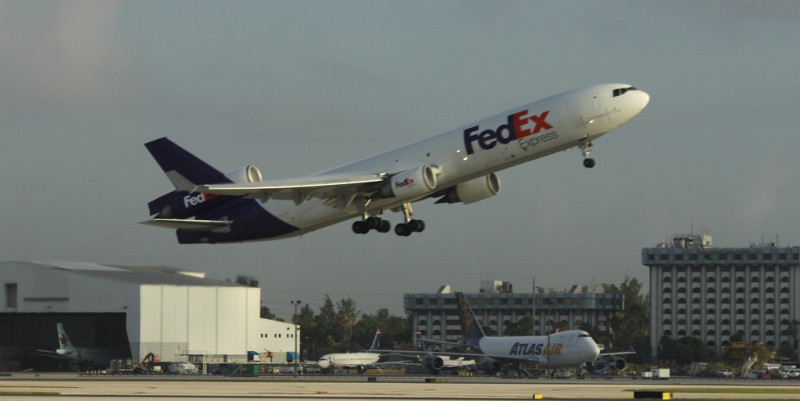
The hum of phones buzzing in pockets grew louder as the latest alert flashed across screens: a FedEx cargo plane, flight FX910, had skidded off the runway at Miami International Airport (MIA). The incident, under investigation by the Federal Aviation Administration (FAA), triggered a temporary ground stop, causing widespread disruption on the eve of the busiest travel day of the year.
The Incident: Runway Closures and FAA Intervention
In the fluorescent glare of the briefing room, officials detailed the event. A FedEx McDonnell Douglas MD-11, en route from Memphis, encountered trouble during landing. The aircraft, identified as FedEx flight FX910, overran Runway 9L at Miami International Airport, leading to the immediate closure of all but one runway. The FAA swiftly imposed a ground stop, halting all incoming flights to MIA, a critical hub for both domestic and international travel.
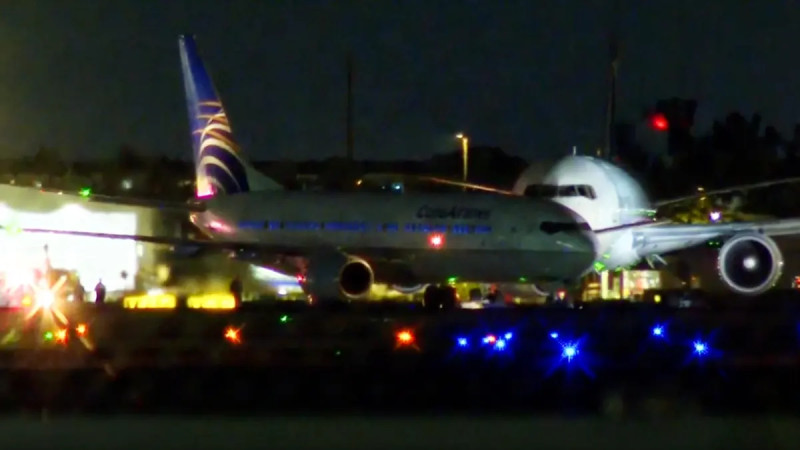
This wasn't the first time a cargo plane has disrupted operations at MIA. - Just recently, a UPS cargo plane and a Copa Airlines jet collided while taxiing, though that incident resulted in only minor injuries and less severe disruptions.
The FAA's ground stop, though brief, caused significant delays and cancellations. Travelers who had planned to depart from or arrive at MIA faced uncertainty, with the airport's bustling terminals suddenly silent, save for the occasional announcement over the PA system.
Travel Impact and Airport Operations
As the night wore on, the airport began to clear the affected runway, allowing flights to resume gradually. The closure of all but one runway forced a significant reduction in flight operations, with only essential flights permitted to land or take off.
The airport's operations team worked tirelessly, coordinating with airlines, ground crews, and emergency services to manage the situation. Despite the chaos, no injuries were reported—a testament to the emergency protocols and safety measures in place.
— However, the disruption comes at a particularly inopportune time, as Miami International Airport is one of the busiest airports in the United States, especially during the holiday season. The busy Thanksgiving travel rush was in full swing, with millions of passengers expected to pass through MIA over the coming days. The impact on travel plans was immediate and widespread, with flights canceled and passengers left stranded.
The Aftermath and Future Ramifications
The incident at MIA raises questions about the safety of cargo operations and the readiness of airports to handle unexpected disruptions. As the FAA continues its investigation, airlines and airport authorities must assess the broader implications for future operations. The safety and efficiency of cargo operations, particularly during peak travel times, will be under scrutiny. — The incident has also sparked a debate about the adequacy of runway infrastructure at major airports. As air traffic continues to grow, ensuring that runways can handle increasing volumes of flights safely remains a critical concern.
The question remains: how will airlines, airports, and regulatory bodies respond to this latest challenge? With travel demand only set to increase, the need for robust infrastructure and effective emergency management has never been more pressing. The skies over Miami may have cleared, but the challenges ahead for MIA and airports across the country are far from over.
How does this story make you feel?
 Up next · WorldDeadly Plane Crash Claims Six Lives Off Mississippi Coast