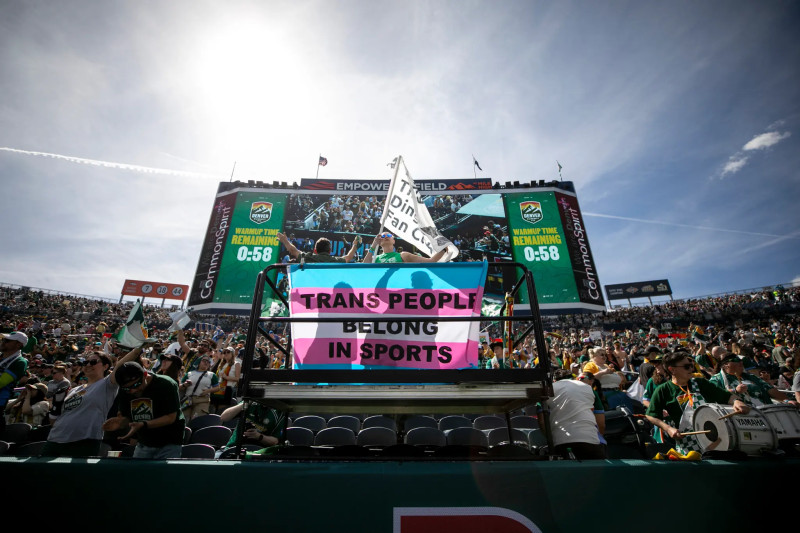
Colorado's Proposition 134 Sparks Controversy Over Transgender Athletes in School Sports
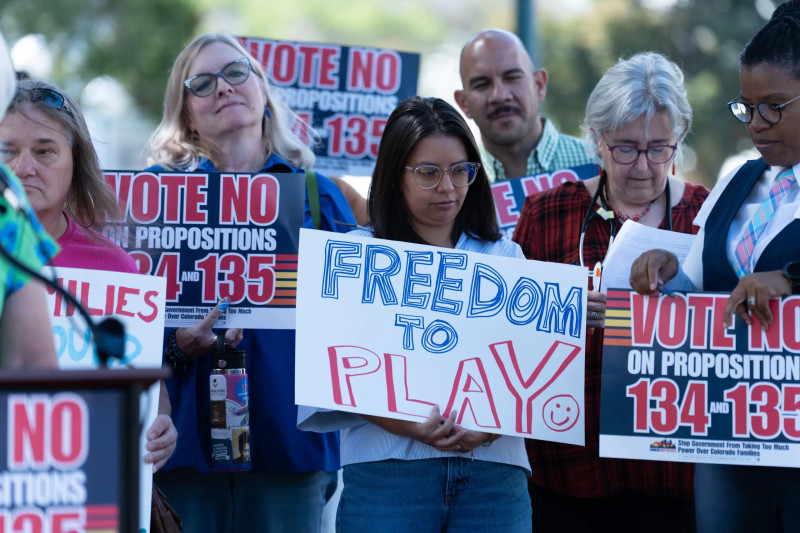
In recent times, Proposition 134 has ignited a heated debate in Colorado over the participation of transgender athletes in school and college sports. The ballot measure, which was on the state's ballot in the 2026 general election, seeks to enforce strict guidelines on sex designation for athletic teams. Look, this is a topic that touches on some of the most sensitive issues in modern society. Here's the thing: the measure has far-reaching implications for transgender youth, athletes, and the broader sports community. Sound familiar? Remind you of anything?
The Details Behind Proposition 134
Proposition 134 aims to mandate that school sports teams be designated based on biological sex, effectively banning transgender youth from competing on teams that align with their gender identity. This initiative affects students from kindergarten through college, encompassing all institutions that receive state funding. And then — get this — it forces athletes assigned male at birth to play on boys' teams or co-ed teams, and vice versa for those assigned female at birth.
The proposition could also result in increased administrative costs for school districts and athletic departments. Schools will have to navigate the legal challenges, new policies, and other administrative hurdles that come with implementing this measure. This could mean more paperwork, more oversight, and potentially more legal battles. Who knows what that might mean for the future of school sports in Colorado?
The measure was part of a broader set of ballot initiatives in Colorado, including Proposition 135, which seeks to ban certain surgeries on minors. These propositions were certified by the Colorado Secretary of State.
The Impact on Transgender Athletes and the Sports Community
Proposition 134's potential passage would undoubtedly impact transgender athletes, who might find themselves barred from competing on teams that align with their gender identity. It would require schools and colleges to adopt strict policies on sex eligibility for sports, effectively sidelining many transgender athletes from participation. And what does that mean for the future of inclusivity in sports? It's a tough question, and it's one that Colorado voters will have to grapple with.
According to available reports, the proposition has sparked intense debate, with advocates on both sides presenting compelling arguments. Proponents of the measure argue that it ensures fairness in sports by maintaining separate teams based on biological sex. However, opponents contend that it discriminates against transgender youth and goes against the broader principles of inclusivity and equality. It's a complex issue, with valid points on both sides.
The Current Status and Future Implications
As of recently, the results of the vote on Proposition 134 were too close to call, leaving the outcome uncertain. Unofficial results indicate that the proposition is neck and neck, with neither side having a clear advantage. This leaves Colorado in a state of limbo, waiting for the final certification by the state.
The proposition's potential passage or failure will have significant implications for the future of school sports in Colorado. If it passes, schools will have to overhaul their athletic programs to comply with the new regulations, which could lead to increased costs and legal challenges. If it fails, transgender athletes will continue to have the opportunity to compete on teams that align with their gender identity, fostering a more inclusive sports environment.
The debate over Proposition 134 underscores the broader societal issues surrounding transgender rights and inclusivity in sports. It's a complex and contentious topic, with valid arguments on both sides.
Here's one thing for sure: this story is far from over. Keep an eye on Colorado as the state continues to grapple with the implications of Proposition 134. And remember, this isn't just about sports — it's about equality, fairness, and the future of inclusivity in our society. The outcome of this ballot measure will shape the landscape of school sports in Colorado for years to come. The question remains: Will the state take a step forward or backward in the fight for inclusivity and equality in sports?
How does this story make you feel?
 Up next · PoliticsFlorida GOP Loses House Supermajority as Democrats Gain Ground