Ohioans Approve Voter ID Amendment: Issue 3 Passes
Issue 3 has passed in Ohio, enshrining strict voter identification requirements into the state constitution. This recent development has sparked debates about voter access and election integrity in the Buckeye State.
The ballot measure: What is Issue 3?
So, what exactly is Issue 3? It's a legislatively referred constitutional amendment that requires voters to present a valid photo identification before casting their ballots. This measure, if approved, would have significant implications for Ohio's voting process. The amendment would mandate specific types of photo IDs, such as driver's licenses, state IDs, or military IDs, and restrict certain voting methods, like mail-in voting. Voters would need to show up in person with the required identification to vote.
This isn't just about photo IDs, either. Issue 3 also includes provisions that could limit the ability of certain voters to cast absentee ballots. Sounds familiar? It should. This amendment has sparked fierce debates about voter access and election integrity, with advocates on both sides presenting compelling arguments.
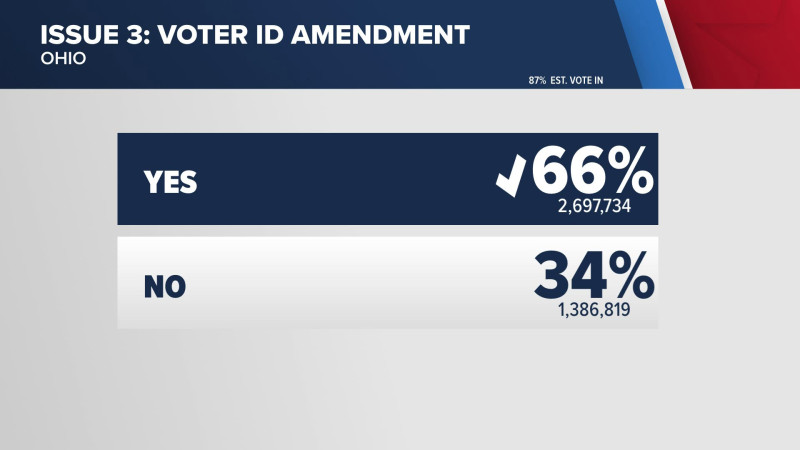
The vote count for Ohio Issue 3 shows that roughly 64% of Ohioans cast their ballots in favor of the amendment, a decisive victory for those who support stricter voting laws.
A divided state: The debate over voter ID laws
Ohio has long been a battleground for debates over voting rights and access. The passage of Issue 3 is the latest chapter in this ongoing story. Supporters of the amendment argue that voter ID laws are necessary to prevent voter fraud and ensure the integrity of the election process. They contend that requiring voters to present photo identification is a reasonable measure to protect the sanctity of the ballot and maintain public trust in the electoral system.
On the other hand, opponents of Issue 3 raise concerns about potential disenfranchisement. They argue that strict voter ID requirements can disproportionately affect certain groups, such as the elderly, people with disabilities, and low-income individuals, who may have difficulty obtaining the required identification. Critics also worry that the amendment could suppress voter turnout, particularly among marginalized communities.
The debate is reminiscent of similar controversies in other states where strict voter ID laws have been implemented. Look, it's a contentious issue, and both sides have passionate arguments. Ohio's passage of Issue 3 is sure to amplify these debates and potentially influence future voting legislation in the state.
Looking ahead: The future of voting in Ohio
The passage of Issue 3 signifies a significant shift in Ohio's voting laws. The amendment's enshrinement in the state constitution means that any future changes to voter identification requirements would require another constitutional amendment, making it a more permanent fixture of Ohio's electoral landscape. And then — get this — it's not just about the photo IDs themselves, either. Issue 3 also includes provisions that could limit the ability of certain voters to cast absentee ballots, further restricting voting options for some citizens.
Now, the question is: what does this mean for the future of voting in Ohio? The answer isn't clear-cut. Some argue that the new requirements will enhance election security and prevent fraud, while others fear that the changes could lead to disenfranchisement and lower voter turnout. The outcome of Issue 3 will likely influence future debates and legislative efforts related to voting rights and access in Ohio.
So, there you have it. A contentious vote on a controversial issue. It's safe to say this debate isn't going away any time soon.
"The passage of Issue 3 is a significant step towards ensuring the integrity of Ohio's elections. However, it's crucial to address concerns about voter disenfranchisement and ensure that all eligible voters have access to the ballot." — Election Law Expert
How does this story make you feel?
 Up next · PoliticsIndiana's Senate Shift: A Deep Dive into the Democratic Victory