Prop 39 California 2026: Voter ID Controversy Heats Up
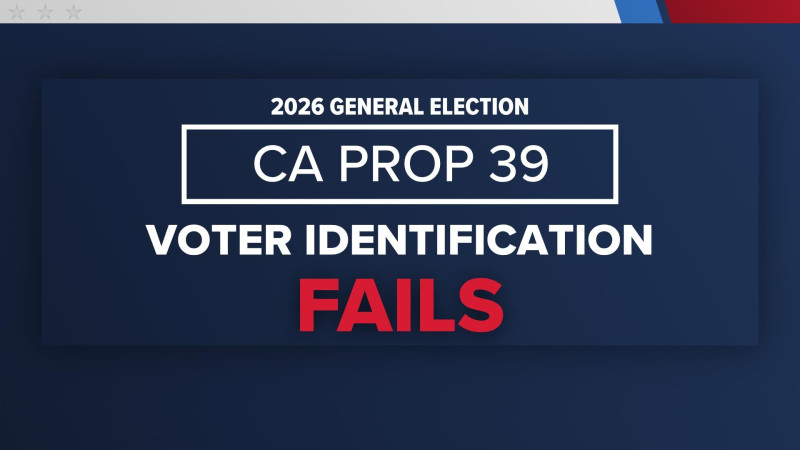
California's Prop 39, the controversial voter ID initiative, has recently sparked intense debate as it heads toward a pivotal vote. The measure, which mandates that voters present government-issued identification to cast a ballot, has drawn both fervent support and fierce opposition. The voter ID controversy has escalated in recent times, with critics arguing that it imposes unnecessary barriers to voting, while proponents insist it enhances election security.
The Vote: What is at Stake?
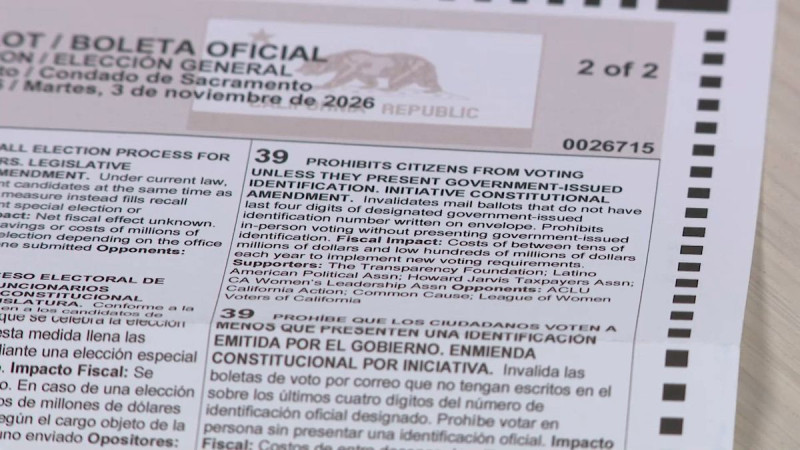
Prop 39, officially known as the California voter ID initiative, requires voters to provide identification to prove their citizenship before they can vote in any California election. This constitutional amendment, set to appear on the ballot, aims to prevent voter fraud by mandating additional verification steps before casting a ballot. However, opponents argue that these measures could disproportionately affect certain demographics, potentially disenfranchising eligible voters and exposing personal information to identity theft.
The Battle Lines
Advocates for Prop 39 assert that it is a crucial step in protecting the integrity of California's elections. According to the legislative analyst's office, under Prop 39, voters must select a government-issued identification in their voter registration to vote by mail. Additionally, any voter casting a ballot in person would need to provide identification each time. Proponents argue that these measures would ensure that only legitimate voters participate in elections, thereby safeguarding the democratic process. They often cite concerns over voter fraud as a primary motivation behind the initiative.
On the other hand, critics see Prop 39 as a direct assault on voter rights. The measure, they claim, would create a costly, unnecessary barrier that could block eligible voters from exercising their constitutional right to vote. Critics argue that the additional layers of identification requirements could lead to a substantial number of voters being turned away from the polls, potentially skewing election outcomes.
According to the California Secretary of State, contributions to committees formed for and against Prop 39 have been substantial. The financial backing from both sides underscores the high stakes involved in this ballot measure, highlighting the significant impact it could have on future elections in California.
In a recent statement, a spokesperson for the California Secretary of State's office said, "Prop 39 represents a dramatic shift in how California conducts its elections, and the concerns raised by both sides are valid. It is crucial for voters to understand the implications of this measure before making their decision."
What Happens Next?
The future of Prop 39 will be determined by the voters. As the election approaches, the debate around voter identification is likely to intensify, with both sides ramping up their campaigns to sway public opinion. Given the high stakes involved, it is essential for voters to stay informed about the potential impacts of Prop 39 on California's electoral process and to make their voices heard.
The outcome of this ballot measure will have far-reaching consequences for the state's voting procedures. With the potential to reshape the electoral landscape, the results of the Prop 39 vote will be closely watched by policymakers and the public alike. As the debate continues, one thing is clear: this measure has ignited a fiery discussion about the balance between election security and voter accessibility.
How does this story make you feel?
 Up next · PoliticsKansas Governor Race 2026: A Tight, Contentious Race