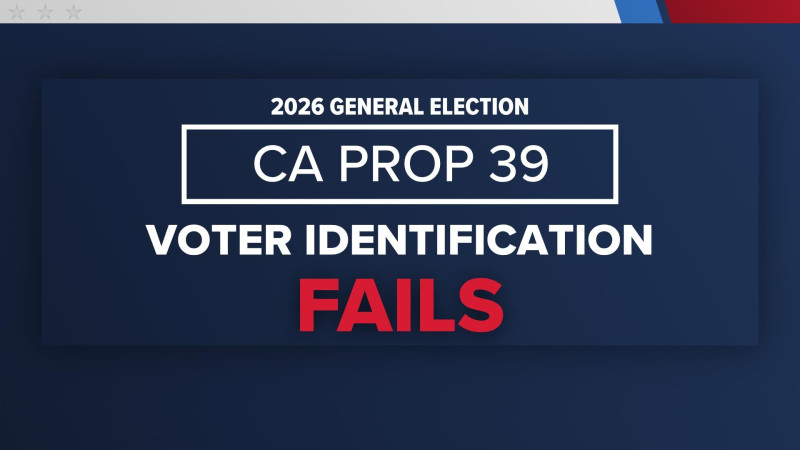
California Rejects Prop 39: A Major Blow to Voter ID Movement
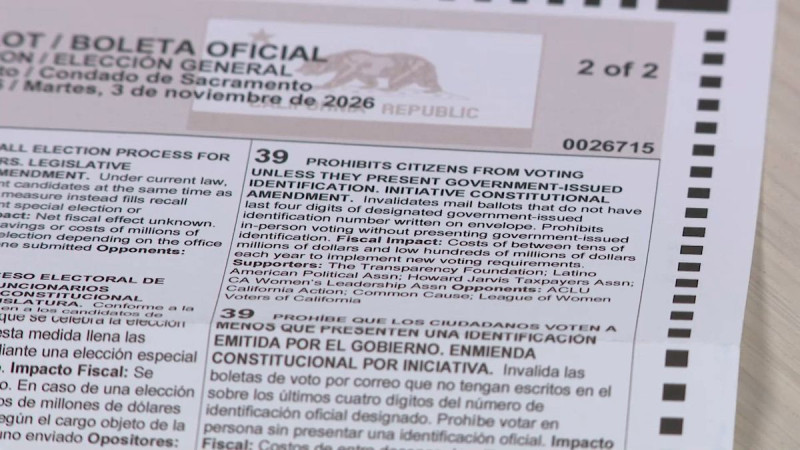
California has decisively voted against Proposition 39, a measure that sought to impose strict voter identification requirements. The proposition, which would have mandated voters to present a government-issued ID for in-person voting or provide the last four digits of a government-issued ID for mail-in voting, failed to garner enough support. The rejection marks a significant milestone in the ongoing debate over voter identification laws and their potential impact on voting accessibility.
Understanding Proposition 39: What Was at Stake
Prop 39 aimed to fundamentally alter the voting process in California by introducing stringent identification requirements. The proposition would have required all voters to provide identification to prove they are a U.S. citizen to vote in a California election. This initiative was a contentious issue, with supporters arguing that it would enhance the integrity of elections and opponents warning that it would create barriers to voting.
Proponents of Prop 39 argued that requiring a government-issued ID would help prevent voter fraud and ensure that only eligible voters participate in elections. They highlighted the need for stricter verification processes to maintain the integrity of the electoral process.
Opponents, on the other hand, contended that such requirements would disproportionately affect certain demographics, including minority groups, elderly voters, and those with disabilities. They argued that the implementation of voter ID laws would lead to disenfranchisement, making it harder for eligible voters to exercise their constitutional right.
The Battle Over Voter Identification Laws
The campaign for and against Proposition 39 was fiercely contested, drawing attention from both local and national political figures. The initiative was partly funded by Illinois billionaire Richard Uihlein, who has been a vocal proponent of voter identification laws. This funding fueled the debate, with opponents accusing Uihlein of attempting to influence California's election policies from outside the state.
Opponents of Prop 39 included a diverse coalition of civil rights organizations, voting rights advocates, and progressive lawmakers. They argued that the measure would create unnecessary bureaucratic hurdles, leading to lower voter turnout and disenfranchisement.
The Department of Justice (DOJ) also played a role in the debate, with its attempts to override California's election authority amplifying the attention on Prop 39. The DOJ's involvement added a layer of complexity to the issue, as it raised concerns about federal interference in state elections.
In the end, the voters spoke, rejecting the proposition and maintaining the current voting process. The defeat of Prop 39 underscores the ongoing tension between enhancing election security and ensuring broad voter access, a debate that will likely continue in future elections.
The Future of Voter Identification in California
Ahead, the struggle to balance security and accessibility in the voting process will persist, with both sides of the debate poised to continue their advocacy. The rejection of Prop 39 does not end the conversation about voter identification, but it sets a clear precedent in California. Advocates for voter rights will likely continue to push for policies that enhance voting access, while those concerned with election integrity will seek other means to address their concerns.
California voters have rejected Proposition 39, preventing a change to how the state verifies voters' identities in elections. CBS News projects.
How does this story make you feel?
 Up next · PoliticsColorado's Proposition 134 Sparks Controversy Over Transgender Athletes in School Sports