The National Hurricane Center's Critical Updates on Today's Tropical Activity
Today, the National Hurricane Center (NHC) is at the forefront of monitoring and reporting on the latest tropical weather conditions. With the weather today being a focal point of public interest, understanding the NHC’s latest updates and what they mean for coastal communities is crucial. Let's dive into the specifics of what's happening and why it matters.
Current Tropical Conditions and NHC Warnings
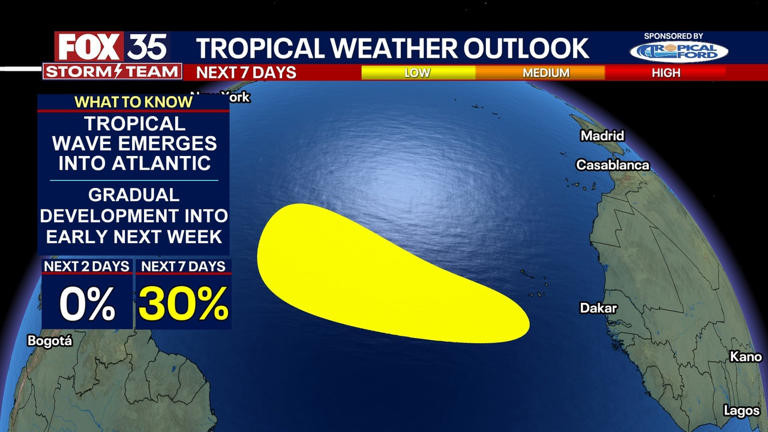
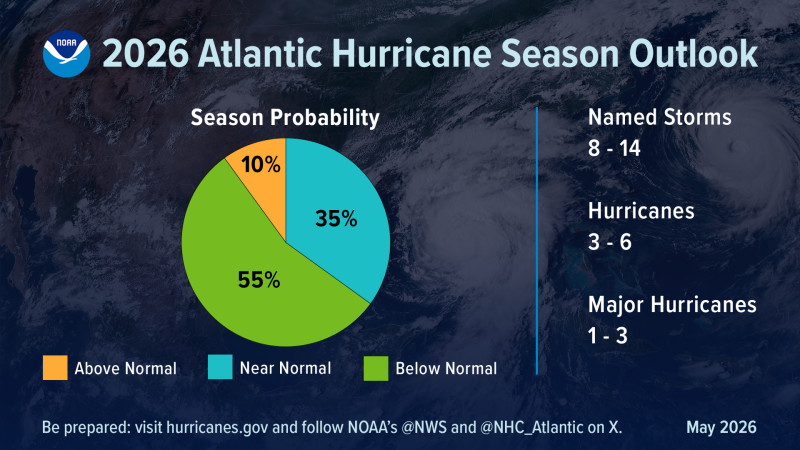
The NHC is actively tracking several weather systems that have the potential to impact the Atlantic, SW North Atlantic, and Eastern Pacific regions. Marine warnings are currently in effect, highlighting the need for vigilance among mariners and coastal residents. These warnings are part of a broader outlook that indicates a below-normal Atlantic hurricane season. However, the NHC is continuously updating its predictions, and recent reports suggest that even a below-normal season can bring unexpected challenges.
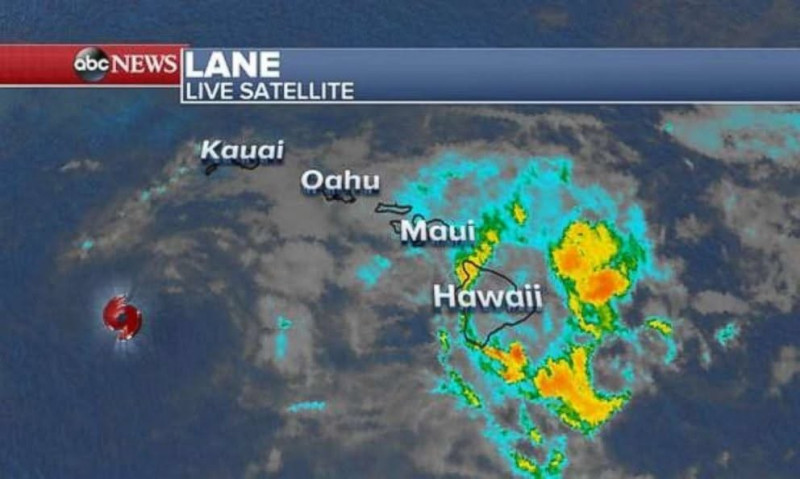
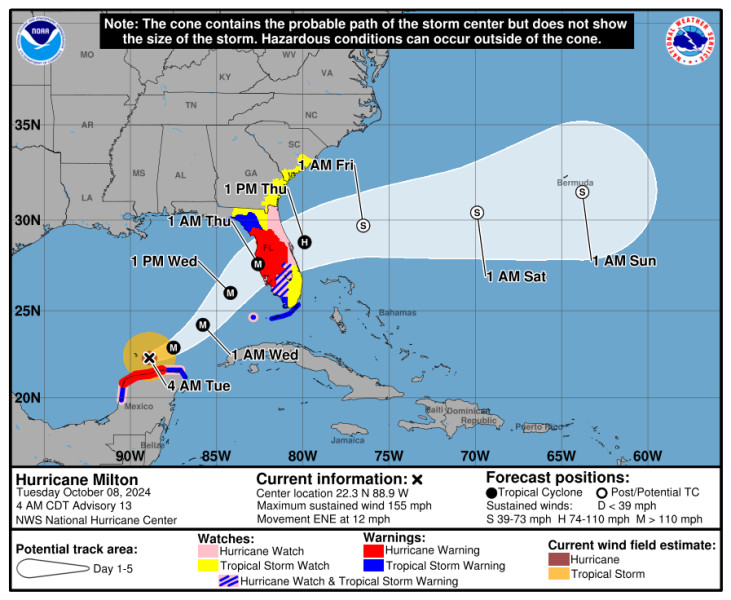
Marine warnings are in effect for the Atlantic, SW North Atlantic and Eastern Pacific. This underscores the necessity for mariners and coastal residents to remain alert and prepared for potential weather-related hazards. The NHC provides comprehensive updates and services, including live hurricane tracking and satellite imagery, which are essential tools for monitoring and preparing for any shifts in tropical conditions. The live hurricane tracker allows users to see the paths of previous hurricanes on this season's hurricane map, as well as interact with the current hurricane tracker satellite imagery while accessing National Hurricane Center data and information.
Understanding NHCs Forecasting and Preparedness
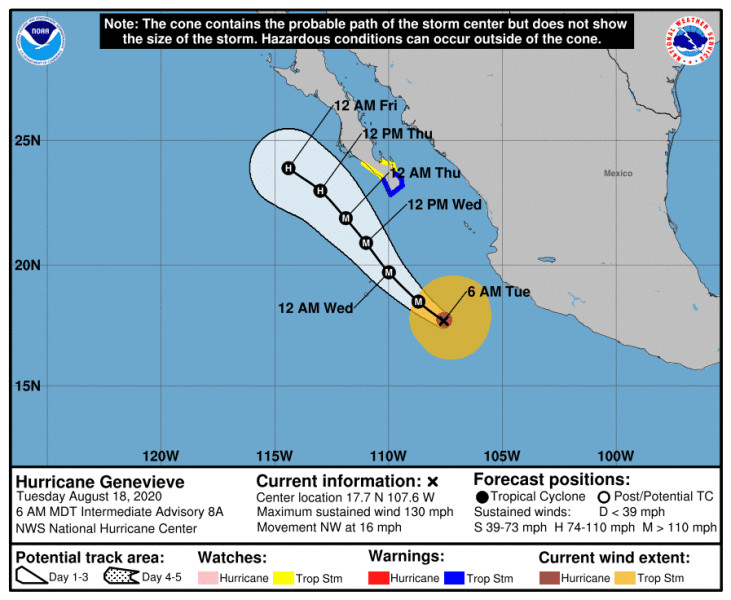
Despite the prediction of a below-normal hurricane season, the NHC emphasizes that preparedness is key. The NHC issues warnings 36 hours in advance of tropical storm-force winds, giving residents ample time to complete their preparations. This proactive approach is essential, as even minor storms can cause significant disruptions. The NHC’s products and services have been updated for the 2026 hurricane season, offering enhanced tools and resources to help communities stay informed and ready.
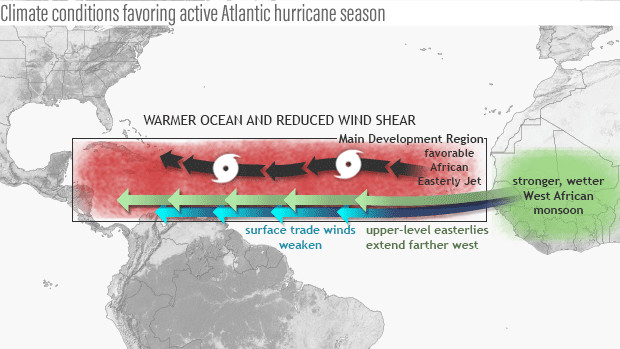
Forecasters with NOAA's National Weather Service are predicting a below-normal hurricane season for the Atlantic basin this year. This prediction is based on a variety of factors, including ocean temperatures, atmospheric conditions, and historical data. The NHC provides a comprehensive look at the improvements coming this year to the NHC website (hurricanes.gov).
Hurricane tracker today with current NHC storms, forecast paths, hurricane radar, satellite views, state NWS alerts, and preparedness tools are part of the updated services provided by the NHC. These tools are designed to help residents and emergency services stay ahead of potential storms and take necessary precautions.
The Importance of Staying Informed and Prepared
While the NHC’s predictions and updates are invaluable, it is important to recognize that weather patterns can change rapidly. Therefore, staying informed through reliable sources and following local guidance is crucial. Despite the NHC’s efforts to provide accurate and timely information, there is always a risk of unanticipated developments. For example, a recent tropical storm, Bertha, which was a highly sheared tropical storm that brought gusty winds, rough surf, and minor- to-moderate coastal flooding along portions of the northern Gulf Coast.
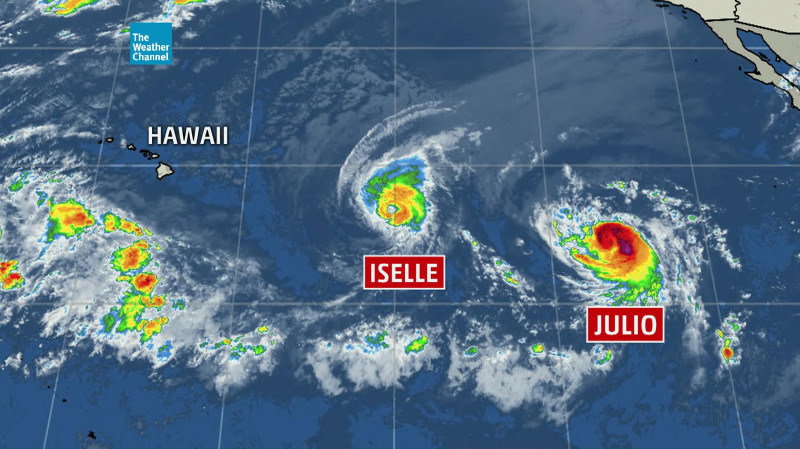
The Dvorak Technique and Descriptions of the Image Enhancements are available through the NHC. These techniques help meteorologists analyze satellite imagery to better understand the structure and intensity of tropical systems. By using these tools, the NHC can provide more accurate forecasts and warnings, helping to mitigate the impact of storms on communities.
However, it is also important to consider the limitations of forecasting. Even with advanced technology and extensive data, predicting the exact path and intensity of a storm remains challenging. This uncertainty underscores the need for communities to be prepared year-round, not just during the peak of hurricane season. Communities should have emergency plans in place and regularly update their preparations based on the latest NHC guidance.
It is paramount to heed the NHC’s warnings and stay informed through reliable sources. The NHC’s updates and tools are designed to help communities stay safe and prepared, but ultimately, individual and community preparedness is key to minimizing the impact of tropical weather events. As the NHC continues to monitor and update its forecasts, residents and authorities alike must remain vigilant and proactive in their preparedness efforts.
The NHC’s updates and tools are designed to help communities stay safe and prepared, but ultimately, individual and community preparedness is key to minimizing the impact of tropical weather events.
How does this story make you feel?
 Up next · ScienceRiemann Hypothesis Shaken: New AI-Driven Proof Claims