Early November 2026 polar vortex weakening signals possible cold snap
Scientists warn that an unusually early weakening of the polar vortex could bring colder temperatures and heavy snowfall to parts of the United States and Europe later in November.
Key points
- The polar vortex is weakening earlier than usual, with a steep decline in stratospheric winds at 60°N and 10 hPa.
- ECMWF and GFS models are closely monitoring the event and predict a potential shift in weather patterns.
- A strong El Niño may amplify the impact, increasing the likelihood of an early cold outbreak south of the Arctic.
- The weakening could bring colder, snowier conditions to regions unaccustomed to such weather this early in the season.
- The event may set the stage for a colder, snowier winter overall.
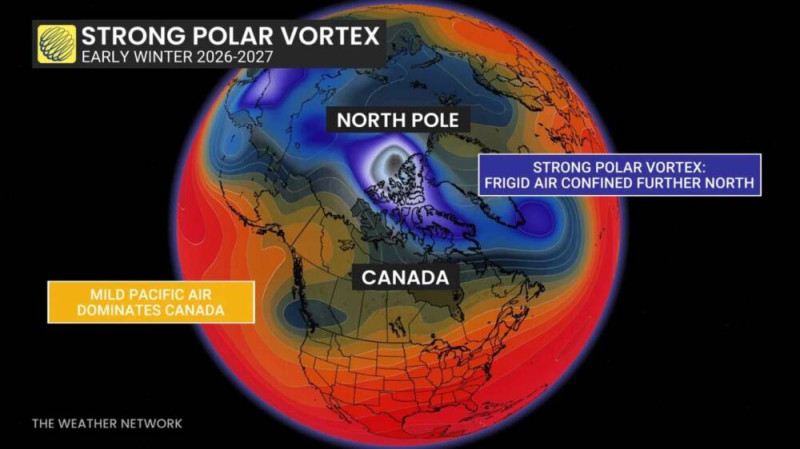
In the heart of the Northern Hemisphere, a meteorological spectacle is unfolding that has scientists and weather enthusiasts alike on the edge of their seats. The polar vortex, a massive swirling mass of cold air typically confined to the Arctic, is showing signs of an unusually early disruption. As of recently, forecasters have been tracking an extraordinary weakening of the stratospheric winds, a phenomenon that could herald a dramatic shift in weather patterns across the United States and Europe.
Early Signs of an Unprecedented Polar Vortex Disruption
A rare occurrence, the polar vortex is currently undergoing a significant weakening in November. This disruption, marked by a steep decline in zonal-mean winds at 60°N and 10 hPa, has meteorologists bracing for the potential impacts.
The ECMWF and GFS models, key tools in meteorological analysis, are tracking this phenomenon closely. According to available reports, the weakening of the polar vortex could significantly influence weather patterns later in November, bringing colder temperatures and potentially heavy snowfall to regions unaccustomed to such conditions this early in the season.
A Super El Niño Complicates the Picture
This climatic anomaly, characterized by unusually warm ocean temperatures in the Pacific, is known to have far‑reaching effects on global weather.
Anticipating the Cold Outbreak and Its Implications
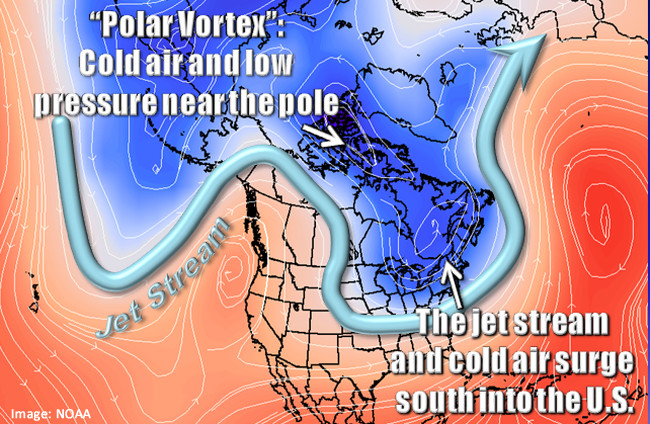
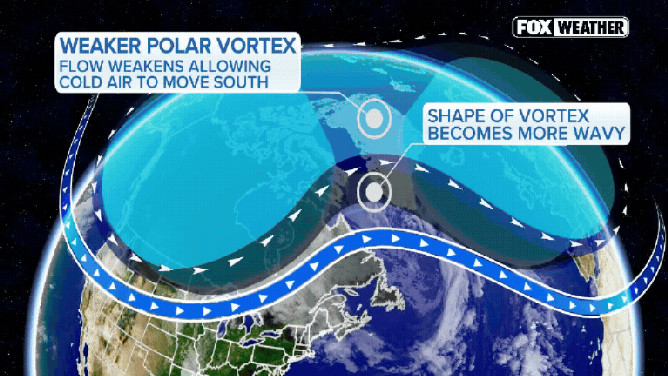
As the Arctic stratospheric forecast escalates, the likelihood of an unusually early wind reversal has increased. This means that the cold air typically trapped in the Arctic could spill southward, affecting regions that are not prepared for such a drastic temperature drop. The exact nature and timing of this cold outbreak remain uncertain, but the forecast guidance strongly favors a significant weather shift.
The potential for an early disruption of the polar vortex has meteorologists and weather enthusiasts alike on high alert. As the phenomenon unfolds, the significance of polarization vortex disruption in November 2026 becomes clearer. The implications for winter weather patterns are vast, with the potential for a colder, snowier season ahead. The upcoming weeks will be crucial for understanding the full impact of this meteorological event, which could set the stage for an unforgettable winter.
Polar vortex disruptions have historically been marked by periods of extreme cold and snow, but the early timing of this event raises questions about the broader climate patterns at play. As we watch the Arctic winds weaken and the Super El Niño intensify, the weather becomes a dynamic interplay of forces that will shape the coming months. This meteorological spectacle, reminiscent of the famous Super Bowl XLIII blackout, serves as a reminder of the unpredictable nature of our climate and the delicate balance that maintains it.
Your questions, answered
What is causing the early polar vortex disruption in November 2026?
Forecasters attribute the early weakening to a steep decline in stratospheric winds at 60°N and 10 hPa, monitored by ECMWF and GFS models.
How might a strong El Niño affect the polar vortex?
A strong El Niño, characterized by unusually warm Pacific ocean temperatures, can influence global weather patterns and may amplify the polar vortex disruption.
How does this story make you feel?
Topics
 Up next · ScienceThe SS United States: A Titanic Transformation into the World's Largest Artificial Reef