Polar Vortex Collapse: Unprecedented Weather Event Reshapes Global Forecasts
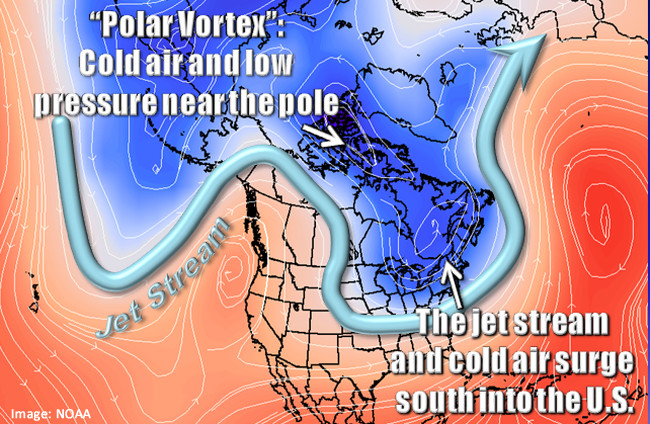
Let's not kid ourselves, the weather patterns we rely on are taking a dramatic and unprecedented turn. The polar vortex, a stratospheric whirlpool of cold air typically confined to the Arctic, is currently undergoing a record-breaking collapse, weeks ahead of schedule. According to meteorologists, this phenomenon, known as Sudden Stratospheric Warming (SSW), is set to disrupt global weather patterns in ways we've never seen before.
What's Happening to the Polar Vortex?
The polar vortex, a stable, cold air mass that usually spins around the Arctic, is rapidly weakening. This unusual weakening, or "collapse," is caused by a disruption in the stratospheric winds, which are forecast to drop to near zero and reverse in the coming days. This reversal is expected to split the polar vortex into two separate cores, a phenomenon that has never been observed before in recent times. This is the earliest Sudden Stratospheric Warming (SSW) on record.
The Implications for Global Weather Patterns
The implications of this event are far-reaching. The collapse of the polar vortex could lead to a significant shift in weather patterns across the Northern Hemisphere. This is because the polar vortex acts as a barrier, keeping cold air locked in the Arctic. When it weakens, cold air can escape, leading to extreme cold snaps in regions not typically accustomed to such conditions. In contrast, other areas might experience milder temperatures. For instance, the United States and Europe are likely to see weather fluctuations, with some regions experiencing unusually cold temperatures while others may remain warmer.
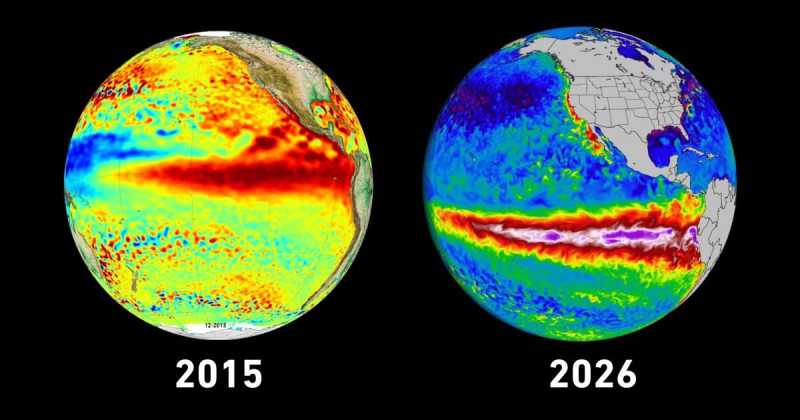
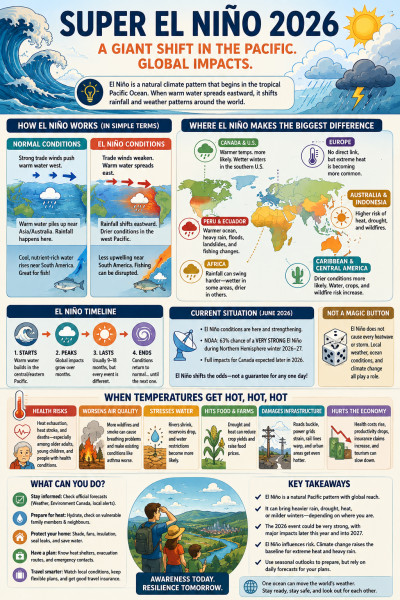
Notably, the weather patterns in the Arctic are not typically influenced by super El Niño events, which occur when ocean temperatures in the Pacific are unusually high. But in this case, the two phenomena are competing for influence, adding to the unpredictability of the situation.
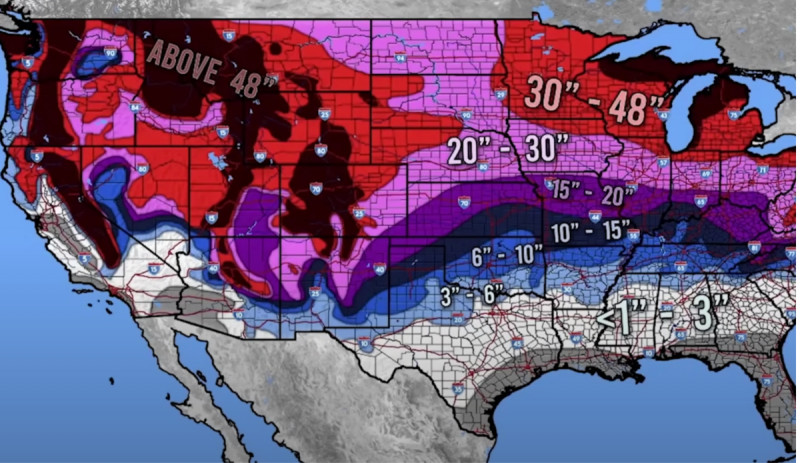
The polar vortex's collapse is expected to have a significant impact on the winter weather forecast for the upcoming months. Meteorologists are predicting that the reversal of the stratospheric winds could lead to a shift in the jet stream, which could result in colder temperatures in the eastern United States and milder conditions in the western United States.
This forecast is based on guidance initialized from October 23 to 28, which showed zonal-mean winds at 10 hPa and 60°N (U10/60°N) weakening toward or below 0 m/s around November 4-10. This weakening is a clear indicator of the early disruption of the polar vortex, which could have significant implications for the weather in the coming months.
The data is damning: the polar vortex is weakening unusually early, a development that could significantly alter winter weather across the Northern Hemisphere. According to available reports, the daily-mean wind at 60°N and 10 hPa weakened from 22.13 m/s (49.5 mph) on October 25 to 5.44 m/s (12.2 mph) on November 2, 2026. Forecast guidance continues to indicate a possible brief reversal during the second week of November, which would meet the defining wind-reversal threshold used to identify an SSW event.
Unlike other major weather events, the polar vortex collapse is not something that can be predicted with absolute certainty. Meteorologists rely on complex climate models and historical data to make their predictions, but the unpredictability of the polar vortex adds a layer of uncertainty to these forecasts.
“The current state of the polar vortex is unprecedented, and it's challenging to make precise predictions about how it will affect weather patterns in the coming weeks and months,” said a meteorologist from the National Weather Service.
In recent times, the polar vortex has been a hot topic among meteorologists and climate scientists. The phenomenon is known to influence weather patterns across the Northern Hemisphere. However, the current collapse of the polar vortex is a rare and unprecedented event. Meteorologists are closely monitoring the situation to understand its implications for global weather patterns. However, it is essential to remember that even with the most advanced climate models, predicting the exact impact of the polar vortex collapse remains a challenge.
The polar vortex collapse is a stark reminder of the complexities of our planet's climate system. While there is no denying the significance of this event, it's also important to acknowledge the limitations of our current understanding. The data is clear: the polar vortex is collapsing, and the world is watching to see how this unprecedented event will unfold. But here's what nobody's asking: How will this event shape the future of climate science and our ability to predict and prepare for extreme weather events? The answers, for now, remain elusive.
How does this story make you feel?
 Up next · WorldAer Lingus flight diverted to French base after bomb threat