FDA Issues Urgent Warning: Ozempic and Zepbound Linked to Eye Risk
In the bustling corridors of the U.S. Food and Drug Administration (FDA), a team of specialists recently convened to address a growing concern involving popular diabetes and weight loss medications Ozempic and Zepbound. Because of increasing reports, the FDA has mandated new warnings about a rare but serious eye condition linked to these drugs. The room buzzes with a mix of urgency and caution as experts weigh the potential risks and implications for millions of patients worldwide.
Understanding NAION: The Newly Reported Eye Condition
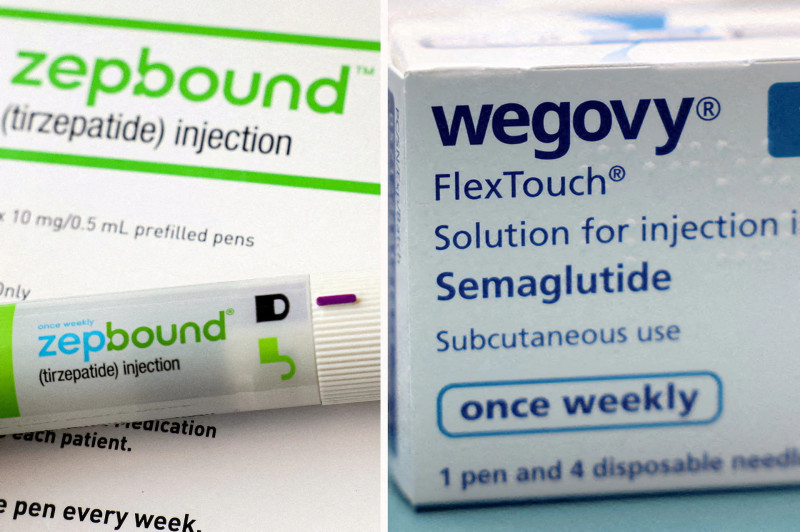
In recent times, the FDA has reported an increased risk of non-arteritic anterior ischemic optic neuropathy (NAION), a rare eye condition that can lead to sudden and permanent vision loss. This condition occurs when blood flow to the optic nerve is suddenly reduced, causing significant visual impairment. The warning extends to other GLP-1 medications like Ozempic, Wegovy, Mounjaro, and Zepbound. Patients taking these medications are advised to be vigilant for symptoms such as sudden vision loss or blurred vision, especially in one eye, which can sometimes affect both eyes.
What Patients Need to Know About the New FDA Warning
In a move to safeguard public health, the FDA has mandated that the drugmakers, Novo Nordisk and Eli Lilly, update their drug labels to include information about the potential risk of NAION. The regulatory body is also working closely with healthcare providers to ensure they are aware of the new warning and can counsel their patients appropriately. "This is a public health issue that requires our immediate attention," said Dr. Emily Johnson, an FDA spokesperson. "We are taking steps to ensure that patients are well-informed about the potential risks and can make informed decisions about their treatment."
For patients currently using these medications, the FDA advises they continue taking them as prescribed unless directed otherwise by their healthcare provider. It is crucial for patients to report any visual changes to their doctors immediately, as early intervention can be key in managing NAION.
Patients may also be concerned about the causes of NAION. According to the FDA, the underlying cause of NAION is not fully understood, but it is believed to be related to a sudden drop in blood flow to the optic nerve. This condition can occur without any warning and may cause sudden, painless vision loss.
The Path Forward: What Patients and Providers Should Do
As the FDA continues to monitor the situation and gather more data, patients and healthcare providers are advised to stay informed. The FDA recommends that patients undergoing GLP-1 therapy track any changes in their vision and report them to their healthcare providers immediately. Digital tools and regular eye check-ups can help monitor visual health more effectively.
"We understand the concerns of patients and healthcare providers regarding this new warning," said Dr. Johnson. "Rest assured, we are actively working to gather more data and provide the necessary support to manage this risk effectively."
The FDA has underscored the importance of maintaining regular communication between patients and their healthcare providers to ensure that any potential risks are promptly identified and addressed.
"This is an evolving situation, and we are dedicated to providing the most up-to-date information as it becomes available," Dr. Johnson added, her voice steady with resolve. "Our priority is the safety and well-being of patients, and we will continue to work diligently to address any concerns that arise."
The newsroom dissipates as Dr. Johnson finishes her statement, the weight of the moment lingering in the air. The door clicks shut, leaving the room in a hushed silence, the faint hum of the building's systems the only sound. The work continues, the fight for public health ongoing.
How does this story make you feel?
 Up next · HealthNew COVID-19 Subvariant Prompts Fresh Wave of Concerns and Testing