FDA Issues Urgent Warning on GLP-1 Drugs, Linking Them to Sudden Vision Loss
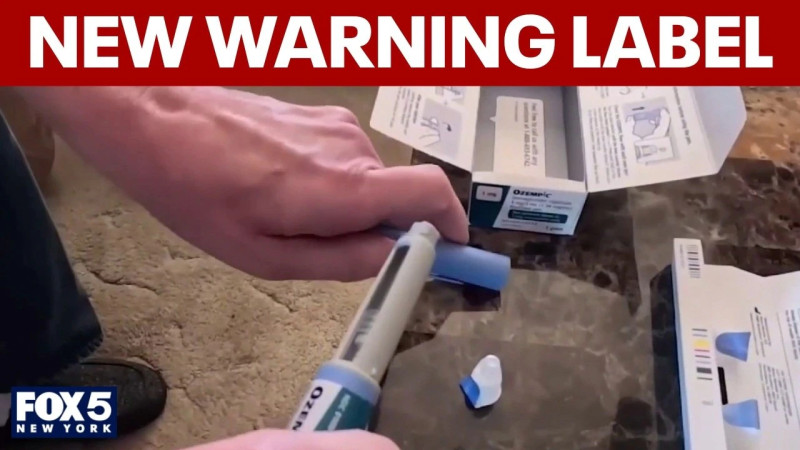
Here's the thing: millions of people rely on GLP-1 drugs for managing diabetes and weight loss. But recently, the Food and Drug Administration (FDA) has issued a stern warning about these medications, specifically linking them to a rare but serious eye condition called non-arteritic anterior ischemic optic neuropathy (NAION) that can lead to sudden and permanent vision loss. This development has sent shockwaves through the medical community and left many patients questioning the safety of their prescriptions.
What is the New FDA Warning on GLP-1 Drugs?
The warning, issued by the FDA, is clear: there is a potential increased risk of a rare eye condition associated with the use of GLP-1 receptor agonists (GLP-1 RAs), such as popular drugs like Ozempic and Wegovy. This condition, known as NAION, can cause sudden and permanent vision loss. The FDA's decision comes after an extensive analysis of over 125 clinical trials, which revealed that this vision condition occurred in approximately 6 out of every 100,000 patients taking a GLP-1 drug for at least one year. This new safety alert is a significant development, as millions of people worldwide use these medications to manage their health.
The Science Behind the Warning: What is NAION?
NAION is a condition that affects the optic nerve, which is crucial for transmitting visual information from the eye to the brain. It is characterized by a sudden loss of vision, often in one eye, and can be permanent. The exact cause of NAION is not fully understood, but it is believed to be related to a temporary loss of blood flow to the optic nerve. The FDA's warning highlights the need for patients to be aware of this potential risk and to monitor their vision closely while using GLP-1 drugs.
The Impact on Popular GLP-1 Drugs: Ozempic, Wegovy, and Beyond
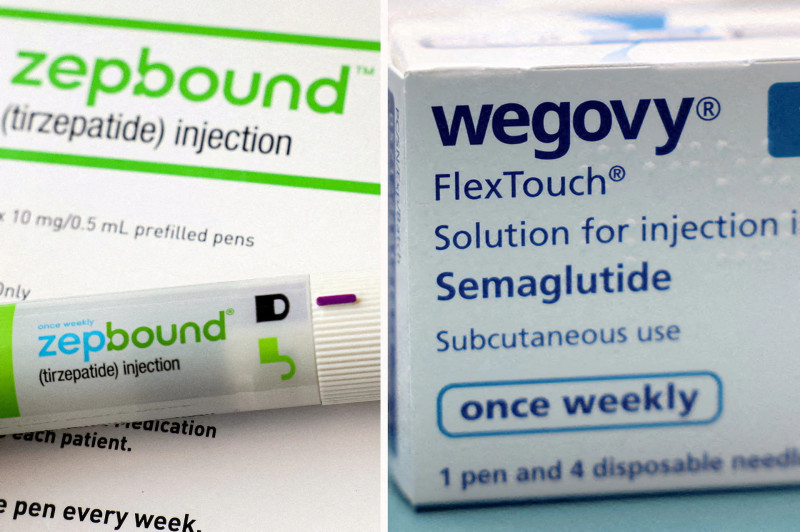
So, what does this mean for the millions of people who rely on popular GLP-1 drugs like Ozempic and Wegovy? The FDA has ordered safety labeling changes for all GLP-1 RAs, requiring manufacturers to include a new warning about the potential risk of NAION. This includes drugs like Ozempic, Wegovy, and other similar medications. The FDA's move is a proactive step to ensure that patients are fully informed about the potential risks associated with these medications. It also underscores the importance of ongoing research and monitoring to better understand the relationship between GLP-1 drugs and NAION.
Here is the FDA's official statement on the matter: "The FDA has determined that there is a potential increased risk of a rare but serious eye condition, NAION, associated with the use of GLP-1 RAs. We are requiring safety labeling changes to inform patients and healthcare providers about this risk. Patients should be aware of the symptoms of NAION and seek immediate medical attention if they experience sudden vision loss. Healthcare providers should discuss the potential risks and benefits of GLP-1 RAs with their patients and consider alternative treatment options if necessary."
How does this story make you feel?
 Up next · HealthFDA warns Ozempic and Zepbound may cause rare eye condition