Solar Eclipse 2026: A Rare Celestial Event Set to Dazzle the Northern Hemisphere
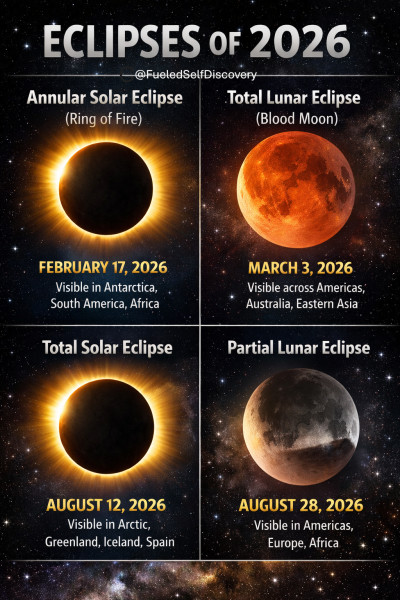
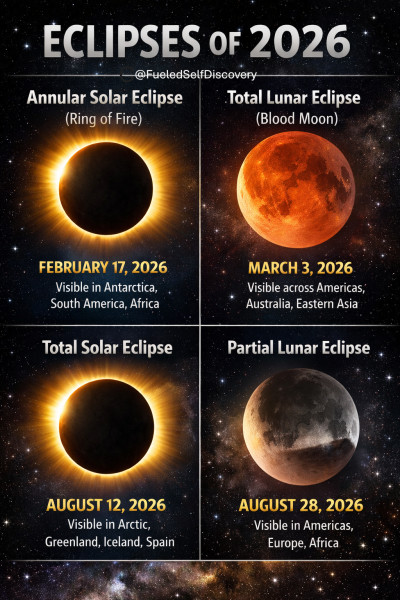
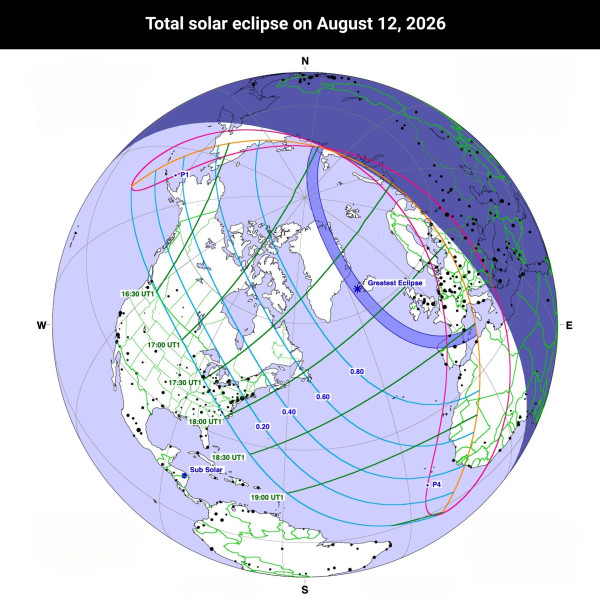
The anticipation and excitement surrounding the upcoming solar eclipse on August 12, 2026 is palpable in Greenland, Iceland, and northern Spain, where the specter of the eclipse is expected to arrive in the next couple of days. This celestial event promises a breathtaking display as the moon's umbra sweeps across the Northern Hemisphere, creating a total solar eclipse. Across the globe, from the northern parts of the United States to Canada, Europe, and northwestern Africa, millions of spectators will witness a partial eclipse.
The Path of Totality: Where to Witness the Celestial Spectacle
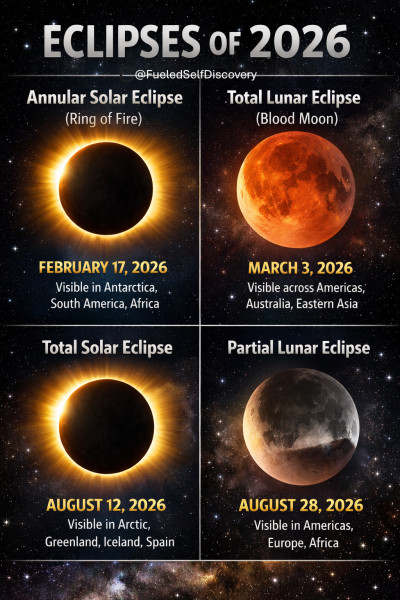
The path of totality for the August 12 solar eclipse 2026 will traverse through Greenland, Iceland, and northern Spain, with the eclipse occurring at sunset. The total solar eclipse will sweep across these regions, offering a stunning view of the moon completely blocking out the sun. The eclipse will also be observable from several other locations, including the Atlantic Ocean, northern Russia, and parts of Portugal, with the event visible to nearly one billion people worldwide.
In Spain, the excitement is particularly high as the eclipse will be visible in the northern part of the country. Local communities are preparing for the event, with many travel agencies offering special packages for eclipse enthusiasts. In Iceland, where the eclipse will also be visible, tourism officials are gearing up for a surge in visitors, hoping to capitalize on the rare celestial event.
“This is a once-in-a-lifetime event for many of us. The anticipation is palpable, and we're getting a lot of inquiries from people who want to witness this phenomenon,” said one local travel agent in Iceland, who wished to remain anonymous. “We have special packages that include guided tours and equipment for safe viewing, ensuring that everyone can fully enjoy this extraordinary event.”
Safety First: How to Observe the Eclipse Safely
While the eclipse promises a spectacular show, it is vital to observe it safely. Experts advise using specialized solar eclipse glasses or viewing devices to protect the eyes from the sun's harmful rays. Looking directly at the sun, even during a partial eclipse, can cause severe eye damage.
The eclipse will also be available for viewing through live streaming, offering a convenient and safe option for those who cannot travel to the path of totality. The live stream will feature real-time footage from several locations along the eclipse path, complete with live commentary to enhance the viewing experience.
“We recommend that viewers use certified solar filter glasses or handheld viewers. These devices are designed to block out harmful UV rays, making it safe to watch the eclipse,” explained a spokesperson from the Royal Astronomical Society. “For those who prefer to stay indoors, live streaming the eclipse is another excellent option, ensuring that everyone can experience this rare phenomenon safely.”
A Celestial Event with Scientific Significance
The August 12, 2026 solar eclipse is more than just a visual spectacle; it also holds scientific significance. The event will provide astronomers with a unique opportunity to study the sun's corona, the outer atmosphere that is typically obscured by the sun's bright light. During a total solar eclipse, the moon blocks out the sun's disk, allowing scientists to observe the corona in detail. This data can help researchers better understand solar activity and its impact on Earth's climate and technology.
“Solar eclipses offer us a rare glimpse into the sun's corona, which is otherwise invisible to us. By studying the corona, we can learn more about solar flares and coronal mass ejections, which can disrupt communication systems and power grids on Earth,” said Dr. Sarah Johnson, a leading solar physicist. “This eclipse is an invaluable opportunity for us to gather critical data and advance our understanding of solar dynamics.”
“The anticipation is palpable, and we're getting a lot of inquiries from people who want to witness this phenomenon.”
Though the solar eclipse will be spectacular, with the moon's umbra sweeping across a swath of the Northern Hemisphere and millions of viewers gearing up to observe the event, the excitement in Iceland, Greenland, and northern Spain is particularly palpable. In the coming days, the world will watch as the celestial spectacle unfolds, providing both a breathtaking visual experience and valuable scientific insights. Stay tuned for updates as the eclipse approaches, and remember to observe safely. The event will surely be something to remember, forever etched in the minds of those who witness the rare phenomenon.
How does this story make you feel?
 Up next · ScienceColombia Rocked by Massive Earthquake: How Did It Happen?