FAA Ground Stop Chaos: A Nationwide Aviation Meltdown
Imagine an orchestra where the conductor suddenly disappears mid-symphony, leaving the musicians to improvise a cacophony. This chaotic scene mirrors the aviation industry's turmoil after a FAA ground stop disrupted flights across the United States. With thousands of flights cancelled and travelers stranded, the aviation sector is grappling with the repercussions.
The FAA Ground Stop: A Nationwide Aviation Halt
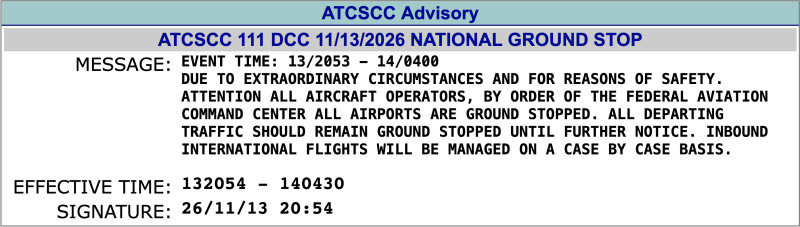
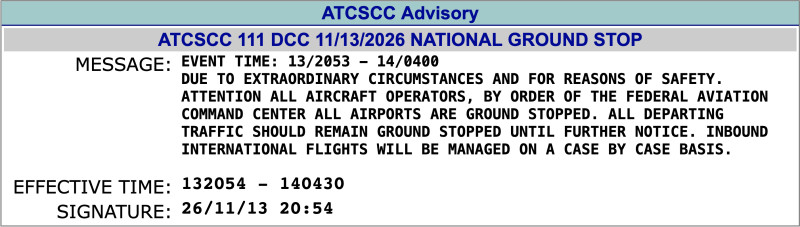
The Federal Aviation Administration (FAA) issued a nationwide ground stop that lasted over four hours, causing widespread disruption. The FAA's communication issues impacted multiple Air Traffic Control Centers, leading to the halt of all departures and arrivals. Thousands of flights were cancelled, with reports indicating that more than 3,800 flights were scrubbed and around 2,000 were delayed. The ground stop affected airports from coast to coast, with hundreds of thousands of travelers left stranded.
The Technical Glitch: An Overloaded System
Transportation Secretary Sean Duffy blamed the chaos on old, overloaded technology. The air traffic control system's outdated telecommunications equipment failed, prompting a call for faster upgrades. The system's instability, according to Duffy, was caused by a contractor replacing copper wire with fiber at one site. This technical hiccup had a domino effect, causing widespread failures and leading to the longest nationwide ground stop in 25 years.
The FAA's ground stop was a rare occurrence, highlighting the vulnerabilities of the current air traffic control system. The antiquated equipment, which has been in place for decades, is no longer capable of handling the high volume of air traffic. This incident underscores the urgent need for modernization.
The FAA administrator Bryan Bedford announced that the ripple effects of the ground stop would continue, with 4,000 to 5,000 of the roughly 41,000 flights scheduled to be cancelled as airlines attempt to recover from the disruption.
"We are in the process of restoring our systems and assessing the extent of the damage," said an FAA spokesperson. "Our top priority is to ensure the safety of passengers and crew."
Sean Duffy, during a press conference, highlighted the dire state of the aviation infrastructure. "The system is antiquated, and it failed us today."
With widespread cancellations and delays, the aviation industry is now grappling with the aftermath of the ground stop. Airlines are expecting to restore full schedules within a few days, but the impact of the disruption will likely linger for some time.
FAA's nationwide ground stop has left the aviation world reeling, but it has also sparked a much-needed conversation about the urgent need for modernization. As the industry struggles to return to normalcy, one thing is clear: the aviation infrastructure needs a significant overhaul to prevent such disruptions in the future.
In the aftermath of the FAA ground stop, airlines are grappling with the chaos, and the aviation industry is left to ponder the future of air travel and the urgent need for modernization. For now, the question remains: How will the aviation world recover from this unprecedented crisis? What steps will be taken to prevent such disruptions in the future?
As the aviation industry works to restore normalcy, the impact of the FAA ground stop will continue to ripple through the system, leaving travelers and airlines to grapple with the aftermath. The aviation industry is at a crossroads, and the future of air travel hangs in the balance.
How does this story make you feel?
 Up next · PoliticsThe Unseen Fallout: Sean Duffy's Son-in-Law at the Center of the FAA Ground Stop Crisis and Trump's Absent Leadership